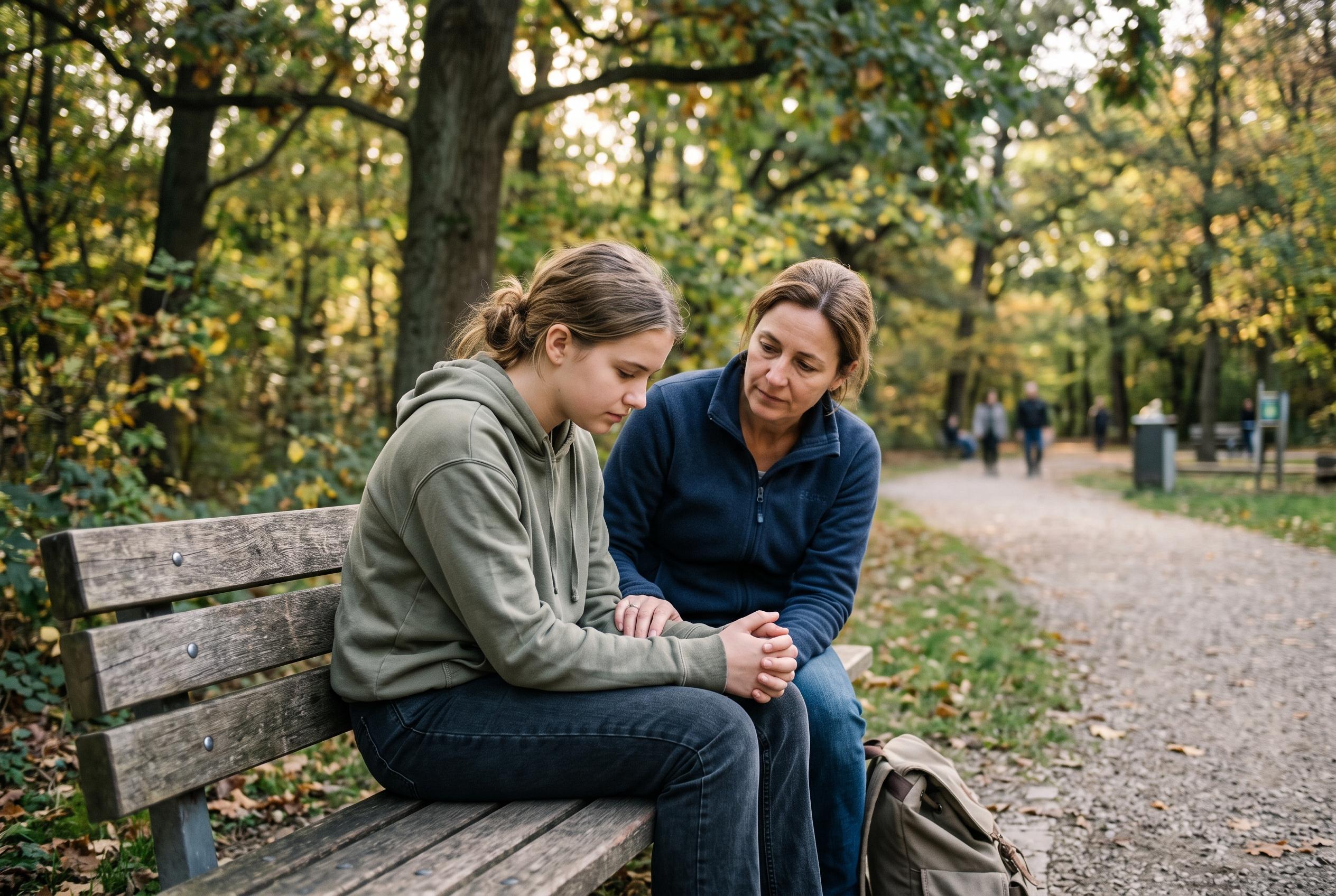

Blue Ridge Therapeutic Wilderness highlights the importance of recognising emotional and behavioural signs of school avoidance, urging parents and professionals to intervene early to prevent entrenched patterns of absenteeism driven by anxiety and stress.
As the new school year gets under way, Blue Ridge Therapeutic Wilderness is urging families to take a closer look at more than ordinary back-to-school nerves. The Georgia-based programme says repeated absences, missed coursework, morning illnesses, emotional outbursts and rising conflict over attendance can all point to academic avoidance or school refusal, rather than simple reluctance.
Experts say the pattern is often driven by anxiety or other emotional stress, not laziness. Cleveland Clinic and Harvard Health both describe school refusal as a form of distress in which a child or teenager cannot cope with attendance, with symptoms that may include headaches, stomachaches, tardiness or a refusal to leave home. They note that the underlying triggers can include social anxiety, academic pressure, depression and family stress.
The concern, clinicians say, is that avoidance can quickly become a cycle. Missing school may bring short-term relief, but it can also deepen worries about falling behind, facing peers or returning after time away. HealthyChildren.org says school avoidance may be linked to fear of failure, peer problems, learning challenges or public speaking anxiety, while the Kids Mental Health Foundation highlights bullying, ADHD and depression as possible contributors.
Blue Ridge Therapeutic Wilderness says parents should pay attention to changes that go beyond attendance alone, such as withdrawal from friends, worsening sleep, excessive screen time or growing family tension. That advice echoes guidance from NewYork-Presbyterian and StatPearls, which say adults should look for the emotional and behavioural causes of school avoidance and gather information from the child, caregivers and school staff to understand what is driving the problem.
The programme argues that early intervention can make a difference before school refusal hardens into a more entrenched pattern. Depending on the severity of the problem, support may range from outpatient therapy and school collaboration to a more structured setting. Blue Ridge says its approach combines individual and group therapy, daily routines, experiential learning and family involvement, with the aim of helping teenagers regulate emotions, tolerate distress and return to school with stronger coping skills.
Disclaimer: This content is for informational purposes only and is not intended to be a substitute for professional medical judgment, advice, diagnosis, or treatment.