

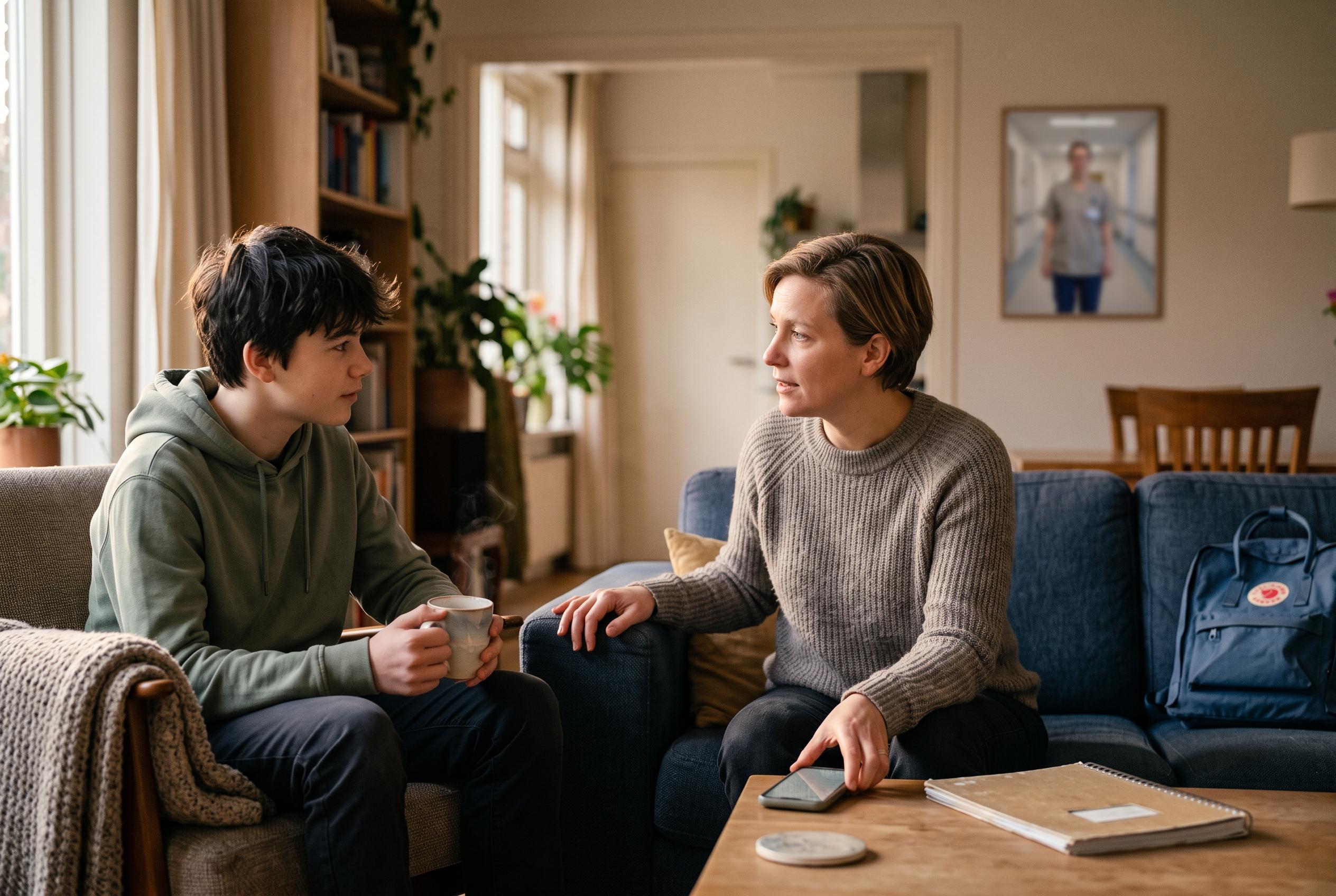

Parents and clinicians in the Netherlands are being encouraged to speak more openly about suicide, amid rising concern over young people’s mental health and an increase in suicidal thoughts among teenagers. Experts highlight the importance of direct communication and sustained support to save lives.
Parents and clinicians in the Netherlands are being urged to speak more openly about suicide as concern grows over the number of young people struggling with suicidal thoughts. The issue is deeply personal for families such as that of Janneke van Bockel, who says a statistical picture helped her cope when her daughter reached a crisis point and said she did not want to go on living.
Van Bockel was reassured, at least for a time, by figures showing that many people who experience suicidal thoughts do not go on to make an attempt, and that some periods of crisis do pass. Yet the sense of fear never fully disappeared. Even now, she says, an unexpected late-night call from her daughter can still make everything inside her tense up again.
Specialists say that anxiety is not unfounded. Renske Gilissen of 113 Zelfmoordpreventie says the number of suicide attempts among girls and young women has risen sharply over the past decade, while young men are now also increasingly affected. She says the trend is alarming, although she also warns against constantly framing young people as a generation in distress, because many are doing well.
Psychologist Hanneke Niels of the Depressie Expertisecentrum Jeugd at ggz Oost Brabant says the causes are complex and rarely reduced to a single factor. Biological vulnerability, anxiety, trauma, bullying and a lack of healthy coping skills can all play a part, she says, but she points to another powerful pressure: perfectionism. Many young people, especially girls, feel they must meet others’ expectations or risk rejection, she says, and that can feed suicidal thinking.
Derek de Beurs, a psychologist who studies suicide prevention, says conversations about the subject are often paralysed by discomfort and shame. People are inclined to think someone with a good home, friends or prospects should not feel this way, he says, which can make it harder for those in crisis to speak honestly. Julia Koene, who has made multiple suicide attempts, says she also hesitated to burden others with her distress, even when friends could see she was struggling.
That silence is exactly what campaigners want to break. Van Bockel says she found support in 113’s “vraag-maar” training, which helped her feel more confident about asking her daughter directly whether she was thinking about ending her life. The message from specialists is that the question does not push someone further towards suicide; instead, it can bring relief by naming what has been left unspoken. Niels says a gentle lead-in works best: express concern, ask how the person is really doing, and then follow up with direct but calm questions about whether they wish they were not here, and how concrete those thoughts are.
113 Zelfmoordpreventie says connection is central to prevention, and its guidance for families and professionals stresses the value of staying in contact with people who are struggling. The organisation also offers training materials, conversation tools and anonymous support for anyone in immediate distress. Its advice for schools and youth settings is to address mental wellbeing as part of broader policy, while treating discussions about suicide with care, especially for those under 18.
For families, the process is rarely resolved in one talk. Van Bockel says the experience is more like a series of waves, with difficult periods returning even after apparent improvement. What helped, she says, was not panic but steadiness. That belief also inspired her to help start Mijnkindwildood.nl, a website for parents whose children are living with suicidal thoughts. She says the project was born from research showing how isolated parents can feel when a child is in crisis. Her daughter, now more open about that period, agrees that silence helps no one.
Disclaimer: This content is for informational purposes only and is not intended to be a substitute for professional medical judgment, advice, diagnosis, or treatment.



