

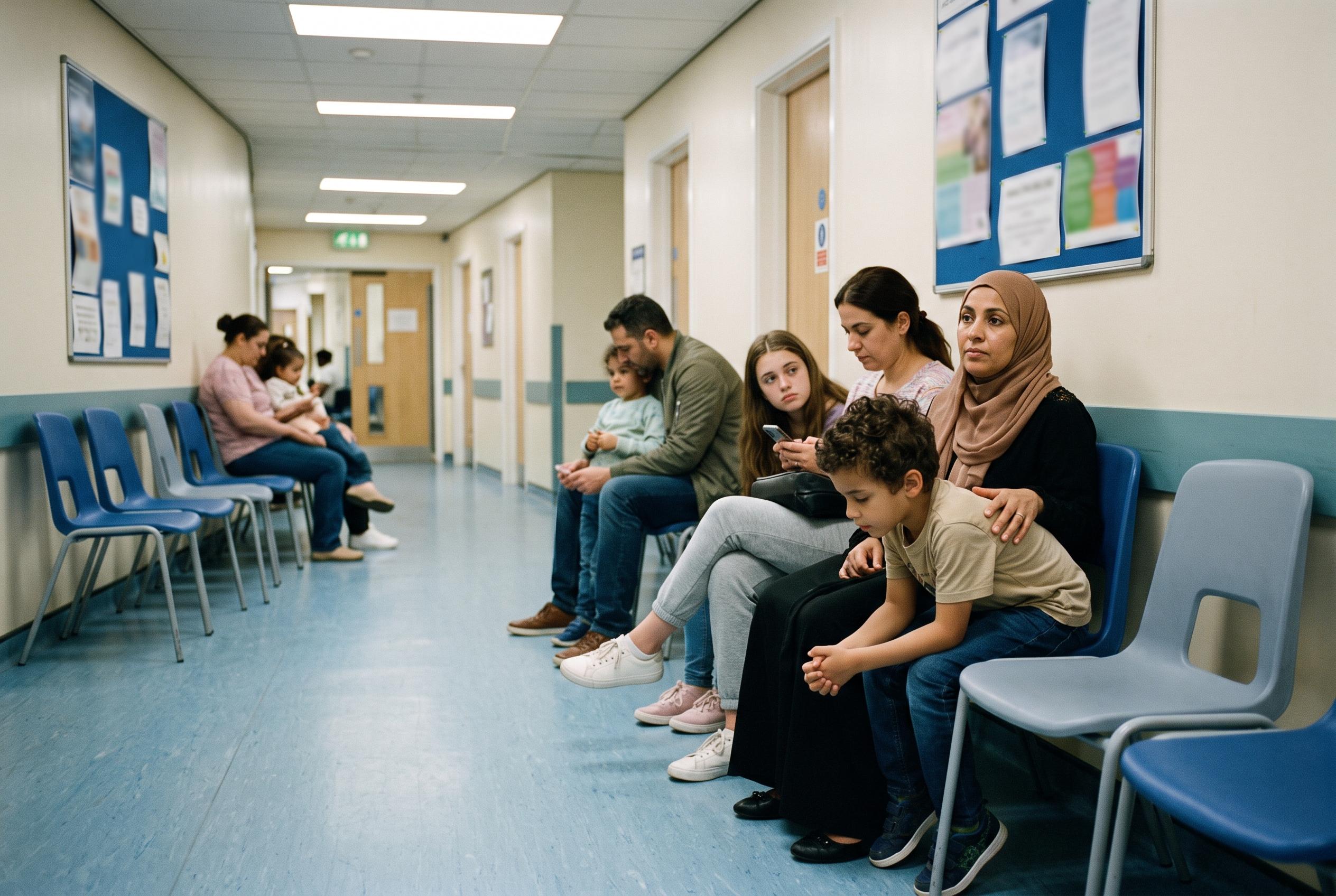

Over one million children in England were referred to mental health services in 2024-25, with referrals for autism and neurodevelopmental conditions soaring, exposing significant delays and regional inequalities amid growing system pressure.
More than one million children in England were referred to mental health services in 2024-25, according to the Children’s Commissioner, as demand continued to outstrip the system’s ability to respond. The commissioner said active referrals had almost doubled since 2018-19 and rose by about 10% over the past year, underscoring the strain on Children and Young People’s Mental Health Services and on the schools that often sit closest to children’s day-to-day needs.
The report points to particularly sharp growth in referrals for suspected autism and other neurodevelopmental conditions. Referrals for suspected autism climbed from 65,530 to 96,393 in a single year, while other neurodevelopmental referrals increased by 24%. Children in these groups faced some of the longest delays, with only 13% of those referred for suspected autism moving on to treatment, and many waiting about a year if they did.
By March 2025, 35% of children referred to CYPMHS were still waiting for treatment, up from 29% two years earlier. More than 60,000 had been waiting for over two years, an increase of more than 15,000 in a year. The commissioner also said the growth in demand has been faster than investment, leaving services under continuing pressure.
The findings also highlight stark inequalities in access. Black and Asian children were more likely to enter services in crisis rather than earlier, preventative stages. Younger children were more likely to experience long waits or have referrals closed before treatment, while 13- to 15-year-olds were more likely to receive care once referred. Children from the most deprived areas made up 15% of referrals, and the report pointed to wide regional spending differences, suggesting that access still depends heavily on where families live.
For schools and trusts, the report strengthens the case for more in-house support while specialist services remain stretched. That includes clearer escalation routes, better referral information, “while you wait” support plans, and closer working with SENCOs, GPs, school nurses and local early-help teams. The Children’s Commissioner is calling for a national children’s mental health strategy jointly owned by the Department of Health and Social Care and the Department for Education.
Disclaimer: This content is for informational purposes only and is not intended to be a substitute for professional medical judgment, advice, diagnosis, or treatment.



