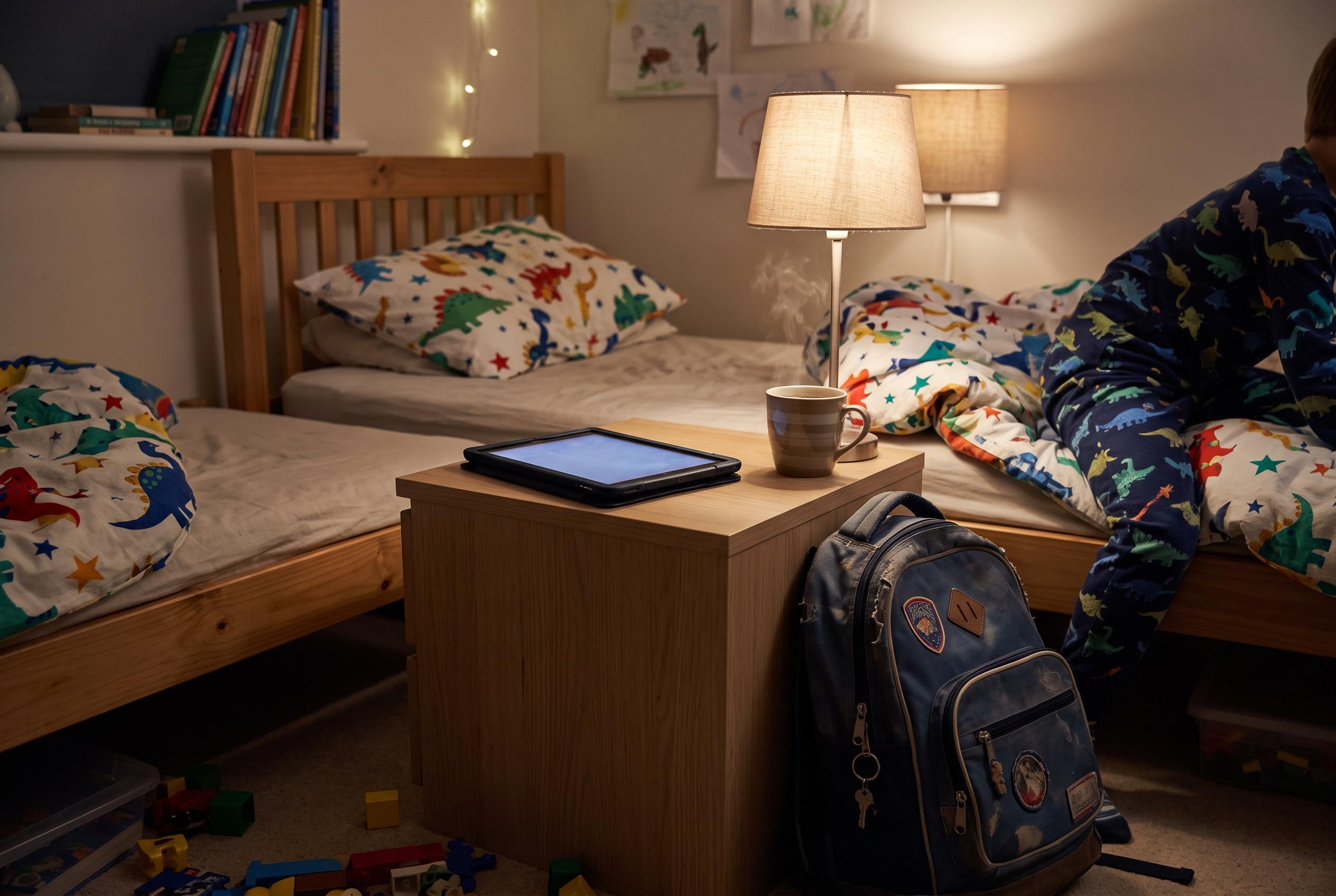

As children return to school, experts highlight the impact of increased screen use and caffeine on sleep patterns, urging families to establish healthier bedtime routines for better wellbeing and learning.
As summer gives way to the school term, many children struggle to shift back to early mornings and regular bedtimes, leaving them short of sleep when classes resume. Dr Barry Ramo said the problem is often biological: pupils may have spent weeks going to bed late and sleeping in, so their internal clocks are not immediately ready for the earlier schedule of the school day.
The American Academy of Pediatrics says children aged 6 to 12 should get 9 to 12 hours of sleep a night, while teenagers need 8 to 10 hours. The academy has also warned that too much screen use, particularly before bed, can make children more alert and raise their heart rate, making it harder to fall asleep. A 2024 study cited in the reporting found that children who used screens after getting into bed, especially for gaming or juggling several activities, went to sleep later and slept for less time.
Ramo also pointed to caffeine as another common disruption. He said drinks consumed later in the day, including colas, iced tea, coffee drinks and energy drinks, can push back sleep even further. The Sleep Foundation advises families to keep bedtimes and wake times consistent, reduce evening light exposure and create a bedroom environment that supports rest, while HealthyChildren.org, the AAP’s parenting site, stresses that adequate sleep is essential for growth, learning and general health.
Disclaimer: This content is for informational purposes only and is not intended to be a substitute for professional medical judgment, advice, diagnosis, or treatment.