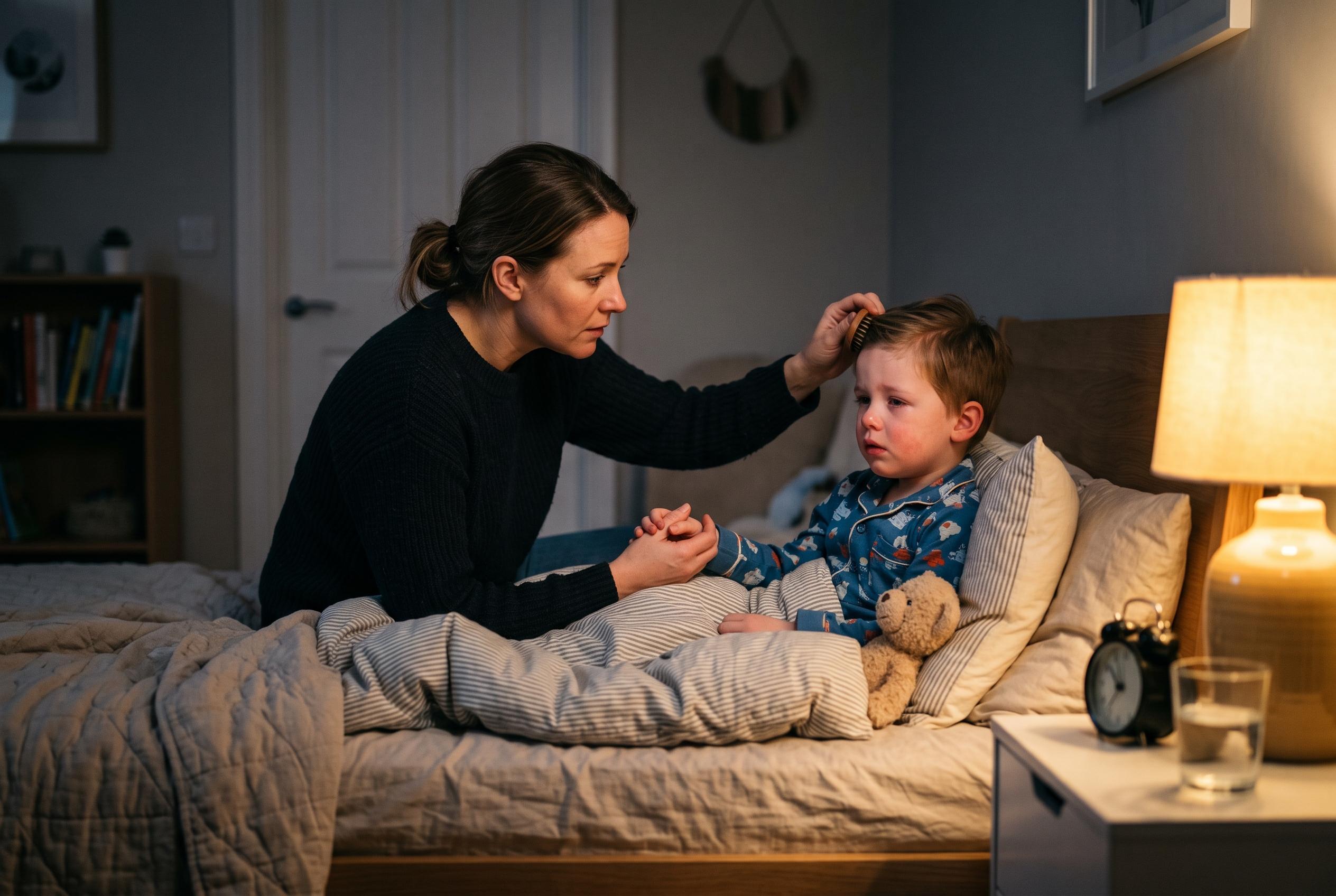

Persistent loud snoring in children could indicate obstructive sleep apnoea, a condition linked to behavioural and health issues. Experts highlight the importance of early diagnosis and treatment options, including surgery and behavioural interventions.
A child who snores loudly every night may seem to be a light sleeper with a noisy habit, but persistent snoring can be a warning sign of something more serious. Medical guidance from the Mayo Clinic and Johns Hopkins Medicine says obstructive sleep apnoea in children happens when the upper airway is partly or fully blocked during sleep, interrupting rest and affecting breathing.
Parents are often the first to notice it. The most common clues include loud snoring, mouth breathing, restless sleep and pauses in breathing followed by gasps or snorts. Children do not always look sleepy the next day. Instead, according to the Mayo Clinic and Cleveland Clinic, they may seem irritable, unusually active or struggle with concentration and learning. Those symptoms can overlap with attention-deficit/hyperactivity disorder, which means sleep problems are sometimes missed.
The condition can have several causes. Enlarged tonsils and adenoids are the leading ones in younger children, according to Mayo Clinic, Johns Hopkins Medicine and the National Heart, Lung and Blood Institute. Risk is also higher in children with obesity, facial or skull differences, Down syndrome, cleft palate, prematurity and some other health conditions. The article from The Conversation noted that childhood obesity has risen sharply worldwide, which may add to the burden of sleep-disordered breathing.
Doctors usually confirm the diagnosis with polysomnography, or an overnight sleep study, which measures breathing, oxygen levels, heart rate and brain activity while the child sleeps. A short video recorded at home can sometimes help with screening, but it cannot replace proper testing. Parents should seek medical assessment if a child regularly snores, breathes through the mouth, or seems to struggle for air at night.
Treatment depends on the cause and severity. When enlarged tonsils and adenoids are the main problem, surgery is often the first option, and the Conversation article said a randomised trial involving 464 children found improvements in symptoms, behaviour, quality of life and sleep-study results, though not in the trial’s main test of attention. However, surgery does not always cure the condition. The Conversation reported that up to 40% of children may still have sleep apnoea afterwards, particularly those with obesity or more severe disease. Other options include monitoring, nasal steroid sprays in selected cases, CPAP machines and, in some children, orthodontic or muscle exercises, although evidence for those approaches is limited. Routine child health checks should include a simple question: “Does your child snore?”
Disclaimer: This content is for informational purposes only and is not intended to be a substitute for professional medical judgment, advice, diagnosis, or treatment.