

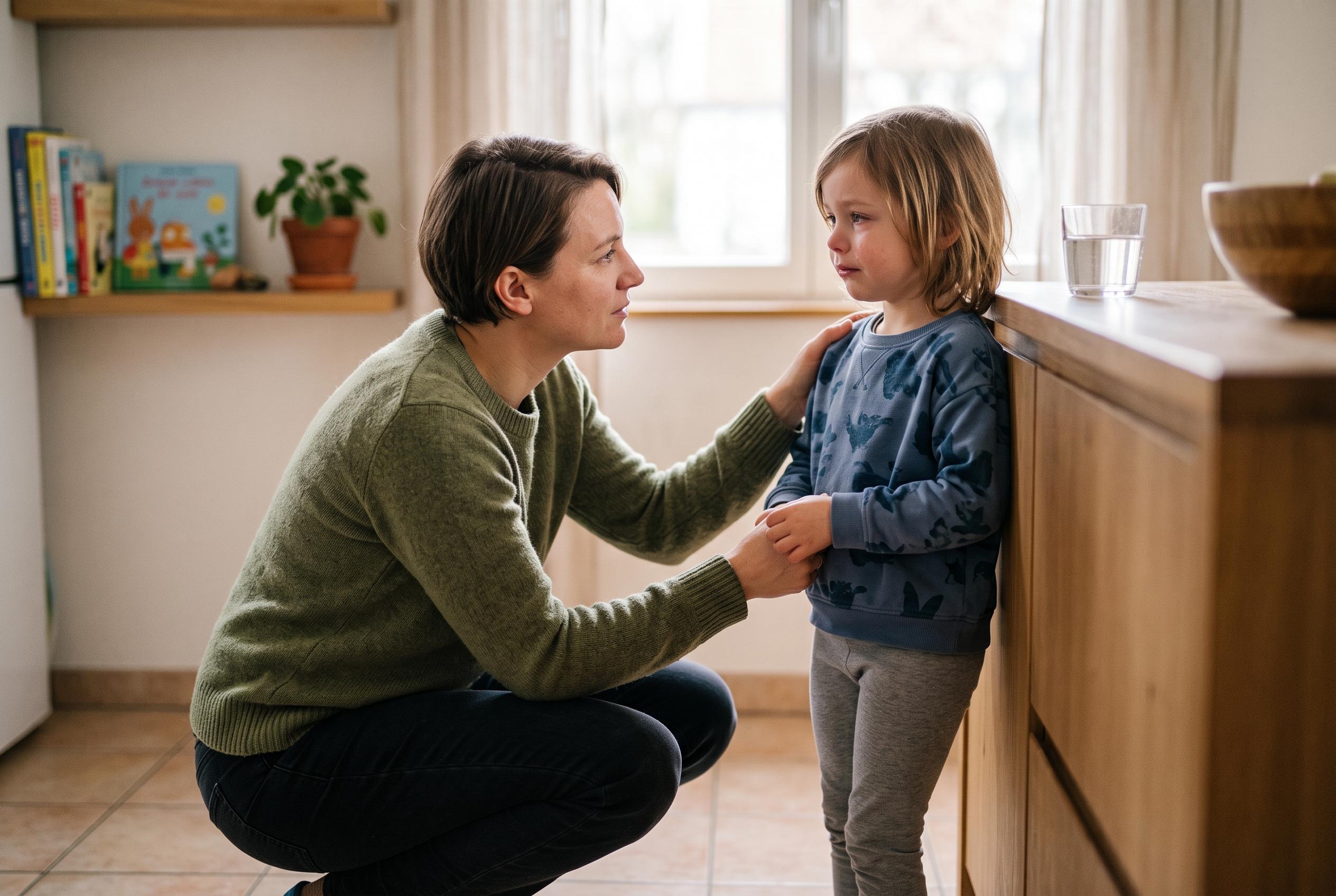

Supporting children’s emotional resilience relies on consistent, small interactions with caring adults, according to recent guidance from WHO and health experts, highlighting the power of everyday moments and parental modelling in fostering strength and adaptability.
Parents hoping to raise emotionally resilient children often look for grand answers, but the most effective lessons usually come through small, repeated moments. A child who is worried about a presentation, upset after a fall-out with a friend or disappointed by failure does not always need quick reassurance. Often, what helps most is a calm adult who notices the feeling, names it and stays with the child long enough for the emotion to be understood. That approach reflects guidance from the World Health Organization, which has said supportive parenting and strong parent-child relationships are central to children’s health, development and resilience.
The World Health Organization has put a particular emphasis on this area in recent years. In February 2023, it issued new parenting guidance aimed at preventing child maltreatment and strengthening family relationships, while a separate global initiative launched in December 2022 called for broader support for parents, especially after the disruption and isolation brought on by the COVID-19 pandemic. The message from both is consistent: children thrive when caregivers are supported, responsive and emotionally available.
Harvard Health has made a similar point, noting that resilience is most likely to grow when children have a safe, stable relationship with at least one caring adult. The site says regular routines, connection to caregivers and peers, and predictable daily life can help young people handle stress more effectively. In practice, that may mean ordinary habits such as reading before bed, sharing meals, talking about the day or simply keeping promises that children can rely on.
That steadiness matters because children do not learn emotional strength by never feeling upset. They learn it by moving through disappointment, anger, anxiety and frustration with help. PBS KIDS for Parents has pointed out that children inevitably face setbacks, and that these moments can be valuable if adults respond with acknowledgement rather than dismissal. A child who hears, “I can see you are disappointed,” is more likely to feel understood than one who is told to stop crying or get over it.
Validation is only part of the process. Parents also help children build resilience when they avoid solving every problem on the child’s behalf. StopBullying.gov says a child’s ability to cope is strengthened by relationships with caring adults, self-regulation and problem-solving skills. That means giving support without taking over completely. When a child is struggling with homework, a friendship problem or a difficult task, asking what they might try next can be more useful than stepping in immediately with the answer.
Children also benefit when they see adults recover from mistakes and frustration. Psychology Today has noted that parents model resilience not by appearing perfect, but by showing emotional awareness, acceptance and adaptability. A parent who says they are having a hard day, then explains how they plan to calm down or try again, gives a child a live example of regulation. In that sense, resilience is not just taught in conversation; it is demonstrated in the household’s everyday behaviour.
Positive experiences matter too. Research cited by the original article found that children with more supportive and affirming experiences tend to do better later in life, even when adversity is present. A trusted teacher, a kind relative, a close friendship, a hobby or a family ritual can all act as protective factors. These relationships and experiences help children see themselves as capable, valued and connected, which can soften the impact of stress.
The burden, however, should not fall on children alone. The same sources make clear that parents need support as well. Exhaustion, money worries, work demands and isolation can make responsive parenting harder. WHO’s recent initiatives reflect that reality by arguing that helping parents is part of helping children. A caregiver who rests, seeks help or speaks honestly about their own limits is not failing; they are showing that emotional well-being is something worth protecting.
In the end, resilience is built less through one big lesson than through a pattern of ordinary moments. Children learn when they are heard after a difficult day, comforted after disappointment, encouraged to try again and given space to solve problems they can manage. They also learn by watching adults repair, recover and keep going. The goal is not to shield children from every hard feeling, but to help them grow up knowing that feelings can be faced, help is available and setbacks do not have to define them.
Disclaimer: This content is for informational purposes only and is not intended to be a substitute for professional medical judgment, advice, diagnosis, or treatment.



