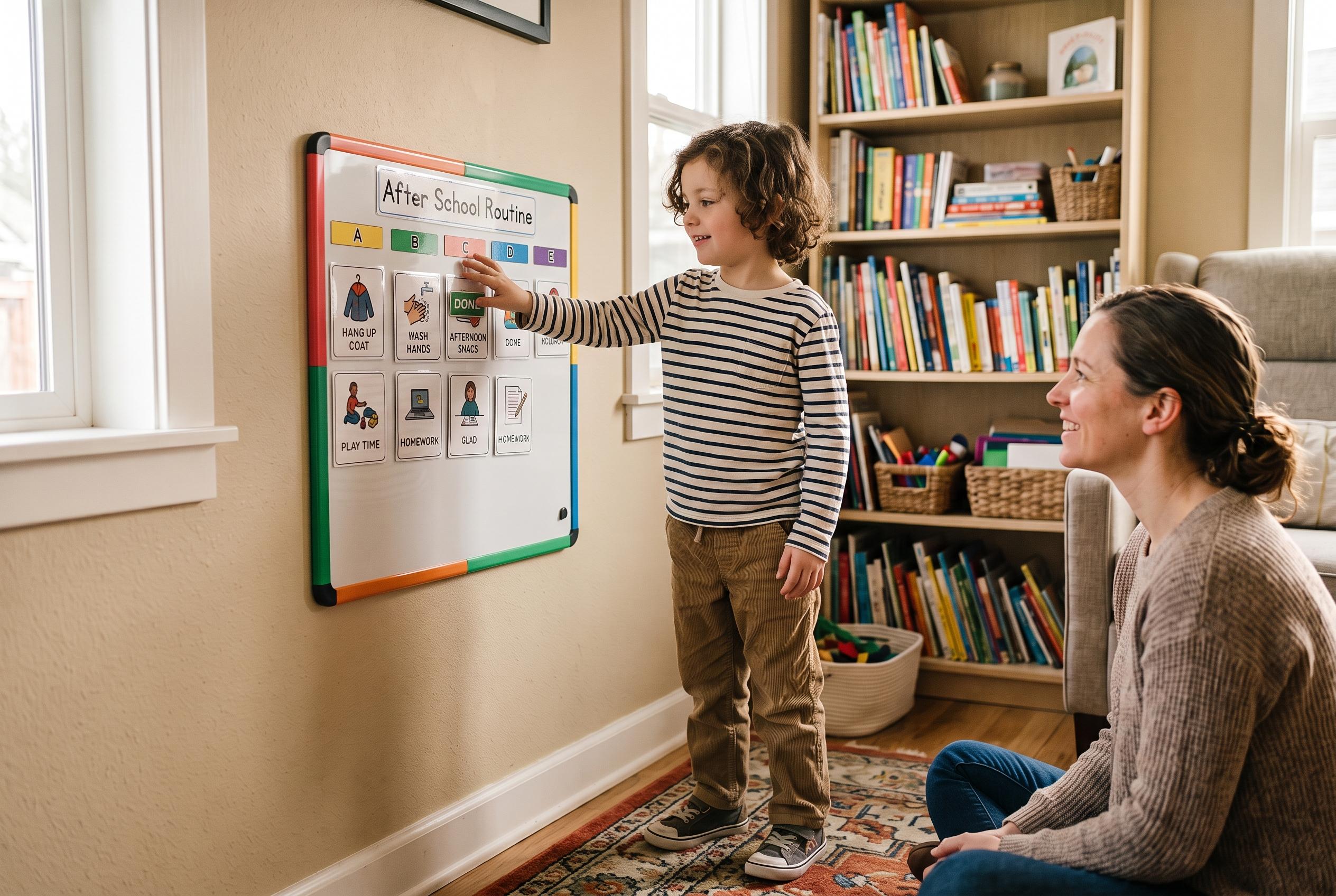

A focus on small, repeated lessons and visual supports can significantly enhance independence skills in neurodivergent children, fostering confidence and self-advocacy.
Helping neurodivergent children do more for themselves is rarely about a single breakthrough. It is usually built through small, repeated lessons that turn everyday routines into skills. The Autisable article argues that independence grows best when adults stop doing everything for a child and start teaching each step in a way the child can actually follow.
That matters because independence is tied to more than convenience. As the article notes, it can strengthen confidence, reduce worry and help children understand what they can manage alone and where they still need support. Related guidance from Ontarget ABA and Autism Speaks makes a similar case, saying that self-reliance should be built gradually, with progress celebrated even when it is incomplete. The wider goal, according to the NACD, is not simply compliance but initiative and self-direction.
The biggest barriers are often not laziness or refusal but differences in processing, planning and tolerance for change. The Autisable piece points to executive function difficulties, sensory sensitivities, anxiety and adults who intervene too quickly. K12 and Pathfinders for Autism both stress that children need clear expectations, predictable routines and opportunities to make choices if they are to develop confidence and self-advocacy.
One of the most practical tools is a task breakdown. Instead of telling a child to “get ready”, adults can show each step visually, whether that is brushing teeth, packing a bag or making a snack. The Autisable article says the aim is to reduce memory load and make routines easier to repeat. Similar advice from Telmi and Autism Speaks adds that video modelling, schedules and other digital supports can help children practise tasks independently and revisit them as often as needed.
Just as important is how help is withdrawn. The article recommends moving from physical guidance to modelling, then to gestures, words and finally visual prompts alone. That approach is echoed by Ontarget ABA and K12, which both advise parents to fade support slowly rather than jumping in too soon. For families, the message is simple: independence is built less by expecting children to “just do it” and more by teaching, waiting and letting them try.
Disclaimer: This content is for informational purposes only and is not intended to be a substitute for professional medical judgment, advice, diagnosis, or treatment.