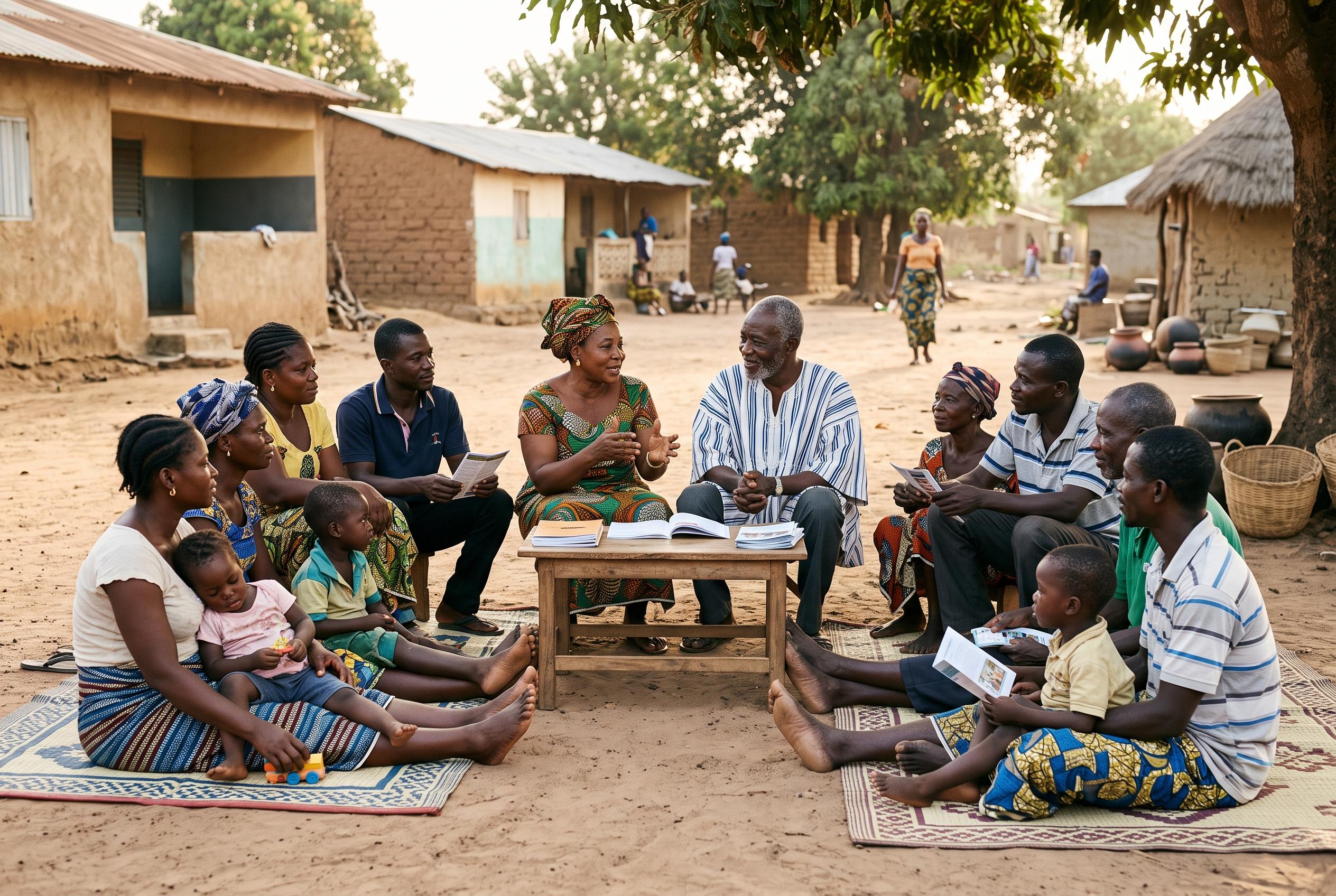

In Côte d’Ivoire, pervasive myths linking autism and mental health issues to superstition hinder early diagnosis and support, calling for a concerted effort across government, communities, and media to improve awareness and access to professional care.
Autism and mental health disorders remain widely misunderstood in Côte d’Ivoire, where some families still link them to witchcraft or mystical forces. In an interview with the Agence Ivoirienne de Presse, certified autism and neurodivergence consultant Dembélé Lassana said the first step is to separate autism from mental health conditions and to rely on information, screening and specialist care rather than superstition. His remarks reflect a wider challenge in the country, where health experts and advocacy groups have long argued that stigma and misinformation delay diagnosis and support.
Lassana said autism is a neurodevelopmental condition, while mental health disorders can emerge at different stages of life and affect mood and psychological functioning. Researchers reviewing autism in Africa have found that cultural and social beliefs often shape how families interpret unusual behaviour, and that misconceptions can complicate access to care. The review also notes that autism in Africa is not necessarily rarer than elsewhere, but it is often under-recognised because of limited services and stigma.
He added that there is no single proven cause of autism. Scientists continue to study genetic, neurological and environmental factors, including influences linked to pregnancy and birth, but no definitive explanation has been established. That uncertainty has made it easier for myths to flourish, especially in communities where spiritual explanations are deeply rooted. In Côte d’Ivoire, local reporting and research have repeatedly pointed to the impact of those beliefs on diagnosis and treatment.
The consultant said parents should watch for early signs such as limited eye contact, reduced response to stimulation and difficulty engaging with other children. He noted that autism can present at different levels of severity, with some children able to learn and socialise with support, while others require much more intensive help to develop everyday independence. Benbere and other local reports have also described how families often struggle to obtain timely assessments, while parents in Côte d’Ivoire have raised concerns about the high cost of monthly care.
Lassana said support should involve several professions, depending on the child’s needs, including psychologists, speech therapists, physiotherapists, social workers, neurologists and child psychiatrists. He warned that relying only on mystical explanations and postponing professional help can make problems worse. Mental health stigma in Abidjan has been shown in research to reduce access to care, and autism specialists say the same pattern can leave children isolated, misunderstood and without the services that might help them progress.
His wider message was that awareness remains the most effective response. He said the state, community organisations, religious groups and the media all have a role in improving understanding. That view echoes calls made at meetings in Côte d’Ivoire in recent years for stronger public education, cheaper treatment and better pathways to care. For families, he said, the priority should be to seek accurate information and work with professionals rather than myths.
Disclaimer: This content is for informational purposes only and is not intended to be a substitute for professional medical judgment, advice, diagnosis, or treatment.