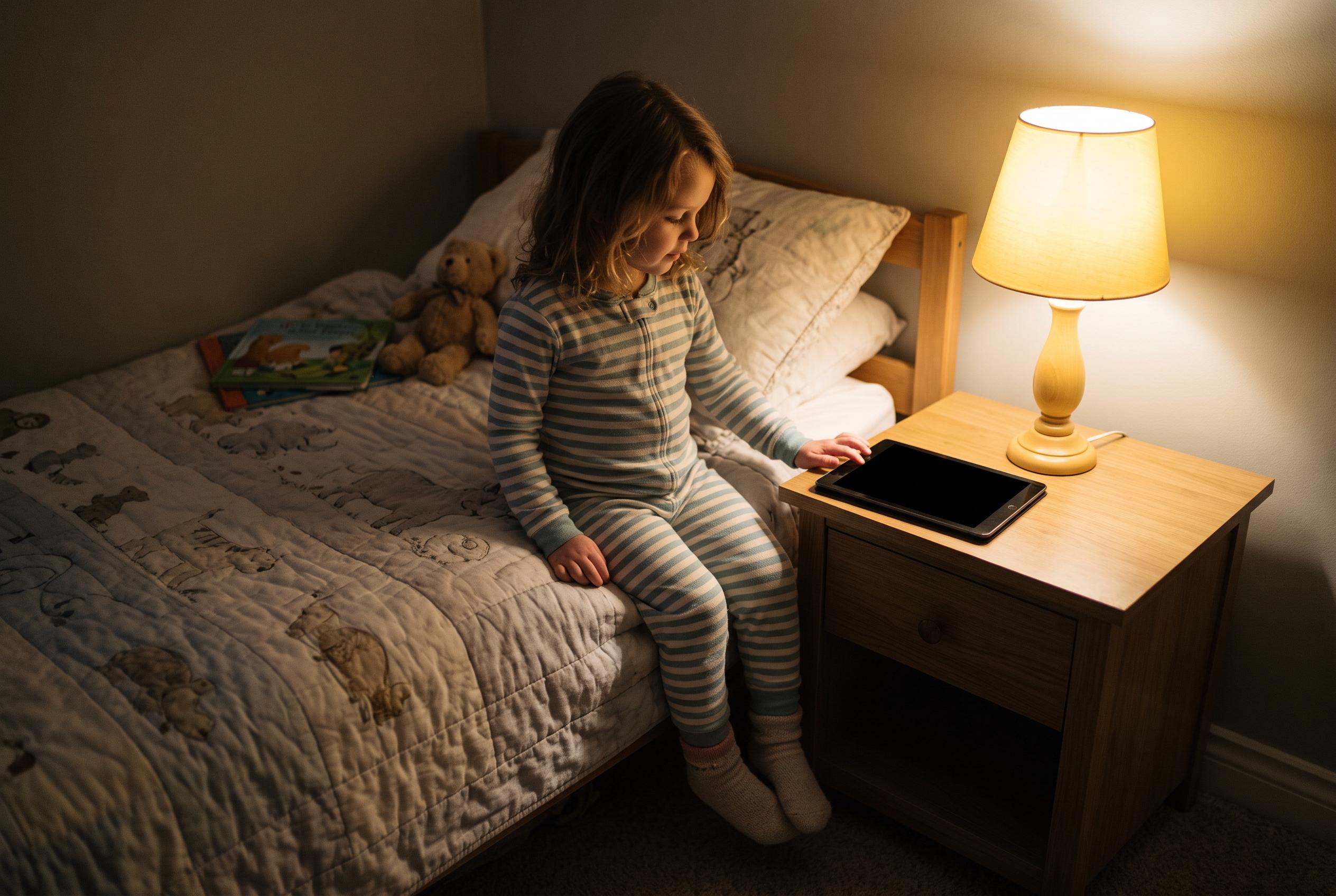

A recent Brazilian study highlights the growing concern over excessive screen use in young children and its association with sleep disturbances, reinforcing calls for limiting electronic media at bedtime.
A new Brazilian study has added to growing evidence that heavy screen use in early childhood may be linked with poorer sleep. Researchers in Itajaí analysed 604 preschool children aged 4 and 5 and found that those using screens for 4 hours or more a day had a higher prevalence of sleep problems, including excessive daytime sleepiness and difficulties in the sleep-wake transition.
The study, led by Bruna Luiza Maximo Ramos of the Federal University of Paraná and published online on August 6 in the European Journal of Pediatrics, relied on questionnaires completed by parents or legal guardians. It recorded daily use of phones, tablets, television and computers, as well as whether electronic media were used to help children fall asleep. Sleep disturbances were measured with the Sleep Disturbance Scale for Children, which captures problems ranging from trouble falling asleep to sleep-related breathing issues.
The findings showed that 88.9% of the children used media at bedtime, 66.9% spent more than 1 hour a day on screens and 17.3% met the study’s threshold for prolonged use. Children in that highest-use group were more likely to show excessive daytime sleepiness, sleep-wake transition disorders and a higher overall sleep-disturbance score. Use of electronic media for more than 1 hour a day was also associated with trouble initiating and maintaining sleep.
The results fit with broader research suggesting that screen exposure can affect sleep in young children, especially when devices are used in the evening. A systematic review of children under 5 found unfavourable links between greater daily screen time and shorter sleep, more night waking and later bedtimes. Other studies have suggested that portable devices, bedroom screens and bedtime use may all raise the risk of disrupted sleep, although the timing of use may matter as much as total duration. The Brazilian authors cautioned that their cross-sectional design cannot prove cause and effect, and they did not assess content type, detailed viewing patterns or parental supervision. Still, they said the findings support advice to limit screen exposure and avoid electronic media before bedtime.
Disclaimer: This content is for informational purposes only and is not intended to be a substitute for professional medical judgment, advice, diagnosis, or treatment.