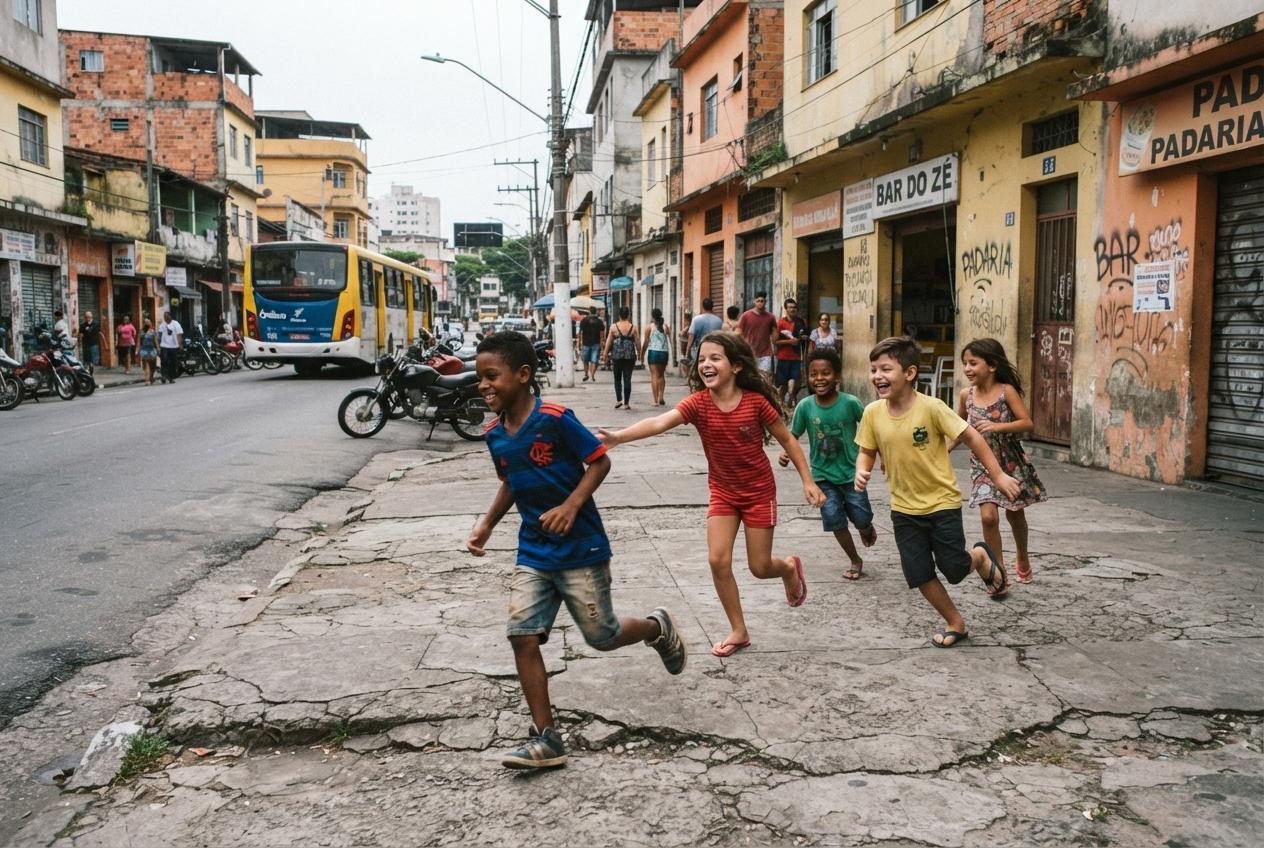

A comprehensive study reveals that anxiety-related disabilities now outpace physical illnesses among Brazilian children under ten, highlighting urgent gaps in mental health care and prevention efforts.
Brazilian children are now more likely to experience disability linked to anxiety than to any physical disease before they turn ten, according to the most comprehensive review yet of child and youth mental health in the country. The analysis, published in The Lancet Regional Health – Americas and based on the Global Burden of Disease 2023 study, estimates that more than 15 million Brazilians aged 5 to 29 live with at least one mental disorder, representing 20.91% of that age group, while about 2.5 million meet the criteria for a substance-use disorder.
The study, led by psychiatrist Christian Kieling of the Federal University of Rio Grande do Sul and Hospital Moinhos de Vento in Porto Alegre, breaks the figures down in five-year age bands for the first time, revealing how quickly the burden rises from early childhood into early adulthood. More than 10% of children aged 5 to 9 already meet criteria for at least one mental disorder, a proportion that climbs steadily and reaches almost 25% among those aged 25 to 29. A previous international analysis published in JAMA Psychiatry had already found mental disorders to be the leading cause of years of healthy life lost among people aged 5 to 24, reinforcing the scale of the problem.
Kieling argues that the age breakdown matters because policy and care pathways are still too blunt. He says treating childhood, adolescence and early adulthood as a single block risks sending younger children into services geared mainly to depression and other conditions that are more common later in life. The study suggests that anxiety dominates different stages of development in different forms: separation anxiety in childhood, social anxiety in adolescence, and then generalised anxiety and panic disorder later on. For girls and women, the burden is especially pronounced from the mid-teens onwards, while alcohol and other drug problems become more common among boys and young men from around age 20.
The report also points to a sharp rise in hospitalisations in São Paulo state. Between 2020 and 2025, admissions for mental and behavioural disorders among children and adolescents increased most steeply in the 5 to 9 age group, which saw a 98.3% rise. The same age band also recorded the largest increase in outpatient clinical procedures for mental and behavioural conditions. Separate research in a public school in Carpina, Pernambuco, found a notable prevalence of anxiety symptoms among 5- to 9-year-old pupils, while another study in Pernambuco linked daytime sleepiness with stronger anxiety traits in children aged 9 to 11, suggesting that sleep problems may also be part of the picture.
The mortality data are equally stark. The study estimates 5,402 suicides a year among Brazilians aged 10 to 29, with 77% of deaths among boys and young men. Suicide rates rise from 1.24 per 100,000 people in the 10 to 14 age group to 13.43 among those aged 25 to 29, and from age 15 it becomes the third leading cause of premature death among all conditions tracked by the GBD in Brazil. Researchers say the figures point to a major gap in prevention, diagnosis and access to care, especially because most of the country’s data still come from São Paulo and Rio Grande do Sul, leaving the North, North-east and Centre-west poorly represented. They argue that schools, community services and youth-friendly entry points are needed, alongside better use of public health funding, before problems become severe enough to reach emergency departments.
Disclaimer: This content is for informational purposes only and is not intended to be a substitute for professional medical judgment, advice, diagnosis, or treatment.