

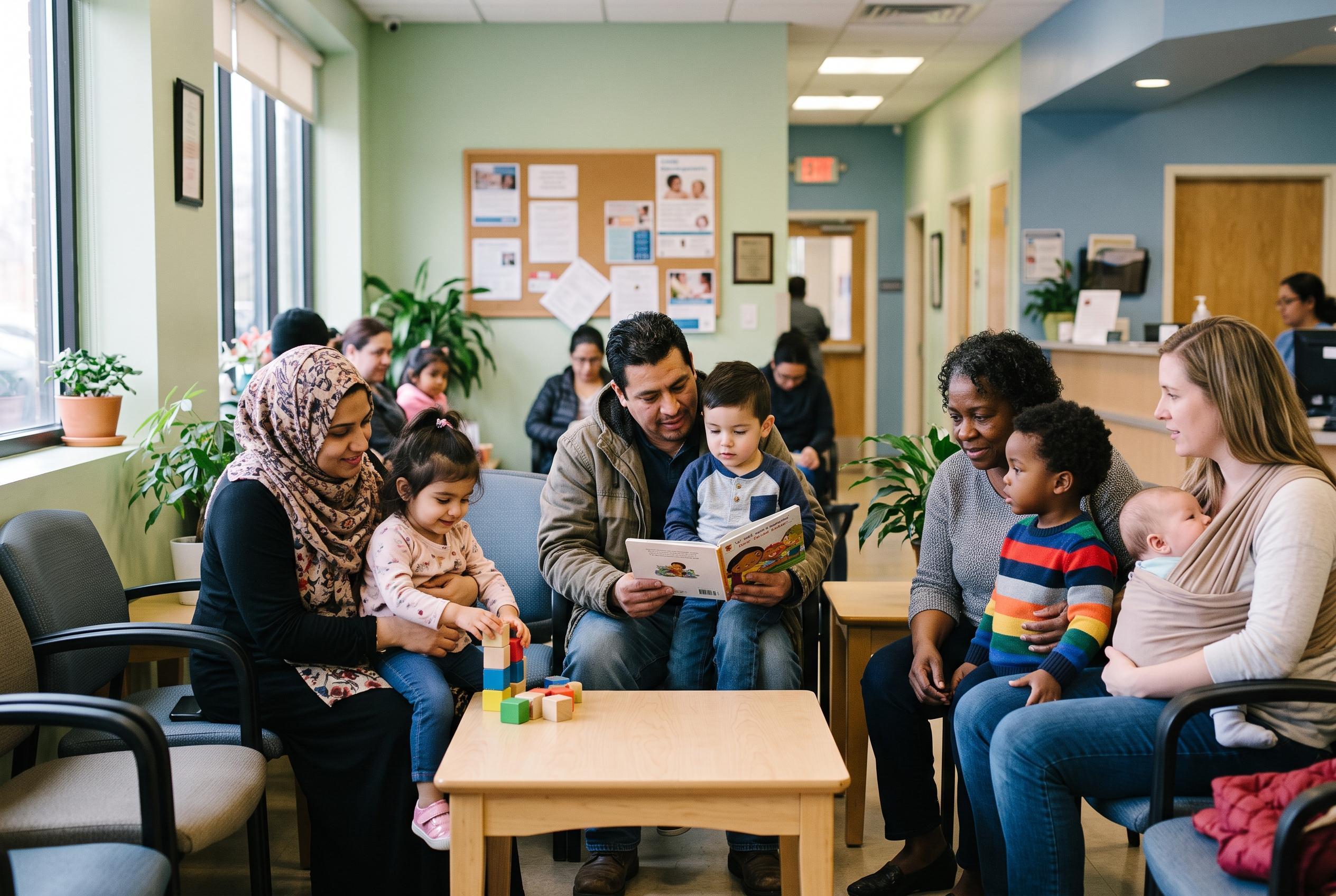

A study of more than 2.3 million Ontario children found rising diagnosis rates among those from poorer neighbourhoods and immigrant families, highlighting the role of pregnancy risks, access to care and culturally appropriate services.
A large Canadian study has found that autism diagnoses were more common among children born into socioeconomically disadvantaged households and immigrant families, adding to evidence that the pattern of diagnosis is shaped not only by biology but also by the circumstances around pregnancy, birth and access to care. The research, which analysed data on more than 2.3 million children born in Ontario between 2002 and 2020, found the highest rates among children living in the poorest neighbourhoods and those born to immigrant mothers, with the gap widening over time. According to the study published in JAMA Network Open, the association was persistent across the full period examined.
The researchers also reported that children in these groups were more likely to have been exposed to maternal diabetes during pregnancy, severe obstetric complications and prematurity. Those factors do not prove why autism was diagnosed more often, but they may help explain part of the difference. The findings fit with earlier research suggesting that neighbourhood disadvantage and pregnancy complications can affect the likelihood of an autism diagnosis, whether through underlying health risks, differences in medical follow-up, or both.
The study’s authors said the widening gap over time points to a growing inequality in who is being diagnosed and when. That raises questions for families and clinicians alike, especially in immigrant communities where language barriers, cultural differences and uneven access to specialist services can delay assessment. An article from Autism Spectrum News has highlighted those practical obstacles, arguing that culturally competent care and better outreach are important if children are to be identified and supported earlier.
The report also comes against a wider international rise in autism diagnoses. TVNZ reported that New Zealand has seen a notable increase over the past 15 years, reaching 1.3% of children and 0.14% of adults in 2023, underscoring how diagnosis rates can change as awareness, screening and service access improve. Even so, experts caution against reading the Canadian findings as evidence that disadvantage or immigration causes autism. The more defensible conclusion is that social and medical conditions around pregnancy and childhood can influence the chances of receiving a diagnosis, and those patterns may leave some families at greater risk of being missed or identified late.
Disclaimer: This content is for informational purposes only and is not intended to be a substitute for professional medical judgment, advice, diagnosis, or treatment.



