

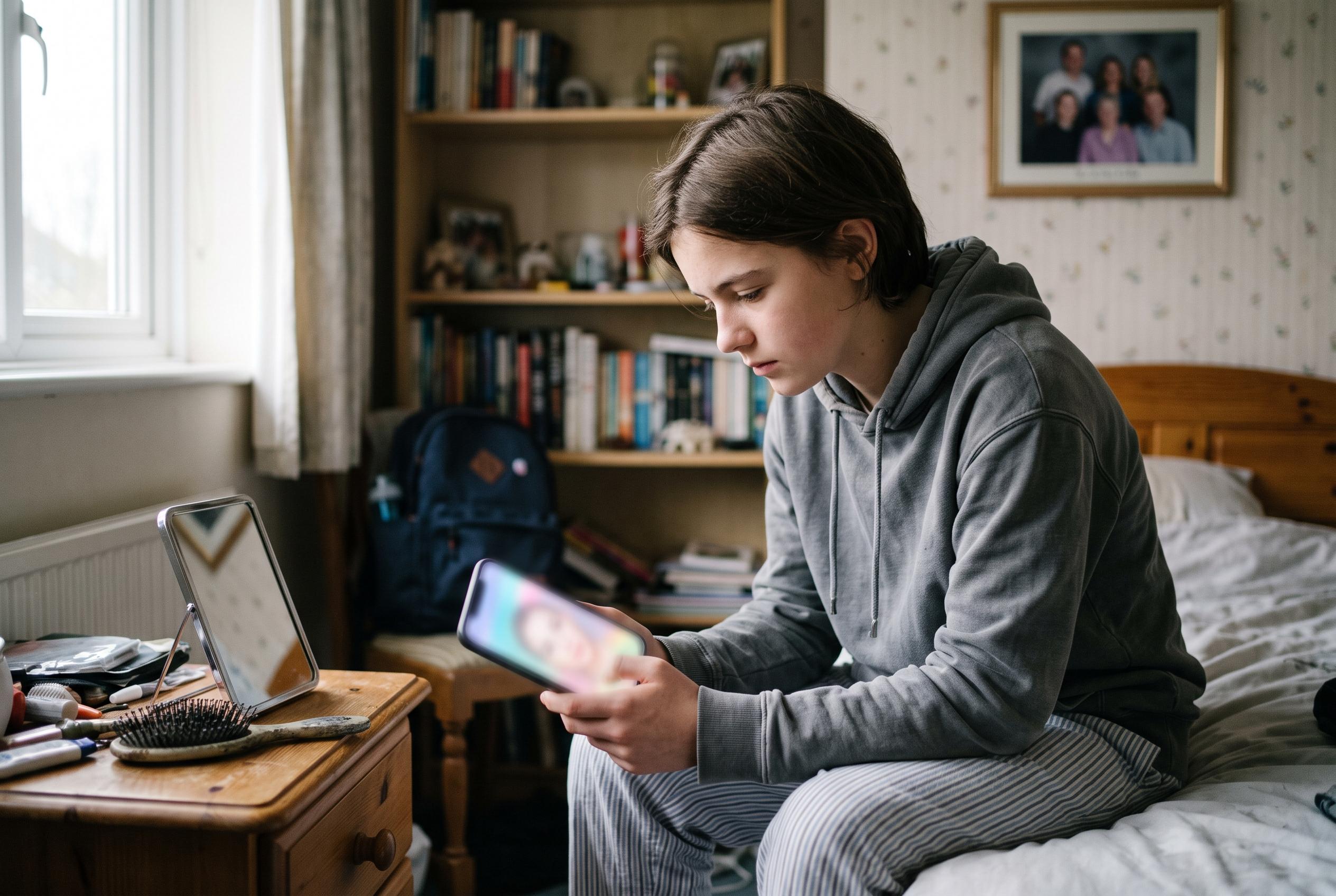

Experts warn that synthetic faces and bodies on social media could intensify body dissatisfaction, especially in young and vulnerable populations, as the line between real and AI-created imagery blurs.
AI-generated faces and bodies are becoming a familiar part of social media and advertising, and campaigners and researchers are increasingly warning that the effect on body image could be profound. The BBC reported that Mia Perumal, a 19-year-old Cardiff University student who has recovered from an eating disorder, fears the technology could make it even harder for young people to avoid unrealistic beauty standards. Perumal said the images and videos are often difficult to distinguish from real people, and that if she had encountered the technology while ill, it would have had a “terrible impact”.
Her concern reflects a wider unease among clinicians and researchers who say AI is helping to spread a narrower version of attractiveness online. Articles on body image and digital wellbeing have warned that generative AI tools, beauty filters and virtual influencers can present polished, synthetic bodies as the norm, reinforcing pressure on teenagers and others already vulnerable to comparison. One report said AI-generated content is increasingly crowding out body diversity on social platforms, echoing the extreme thinness once pushed by fashion media.
The risk, several studies suggest, is not only that AI images are unrealistic, but that they can still shape how people feel about themselves. Research published in the journal Eating Disorders found that exposure to idealised AI-generated bodies reduced body satisfaction, while more diverse AI-generated images had the opposite effect. The same research also examined whether telling viewers that an image was AI-made would blunt the harm. It found that disclosure reduced trust in the technology, but did not stop the negative effect on body image.
That matters because the line between real and synthetic is becoming increasingly blurred. Commentators have noted that AI is now being used to create hyper-thin influencers, fitness models and edited celebrity images that can look persuasive enough to pass as authentic. Psychologists quoted in related coverage say the safest response is not simply to label AI content, but to design it differently, with more varied body types and less emphasis on a single ideal. For young people spending more time in algorithm-driven feeds, that distinction may prove crucial.
Disclaimer: This content is for informational purposes only and is not intended to be a substitute for professional medical judgment, advice, diagnosis, or treatment.



