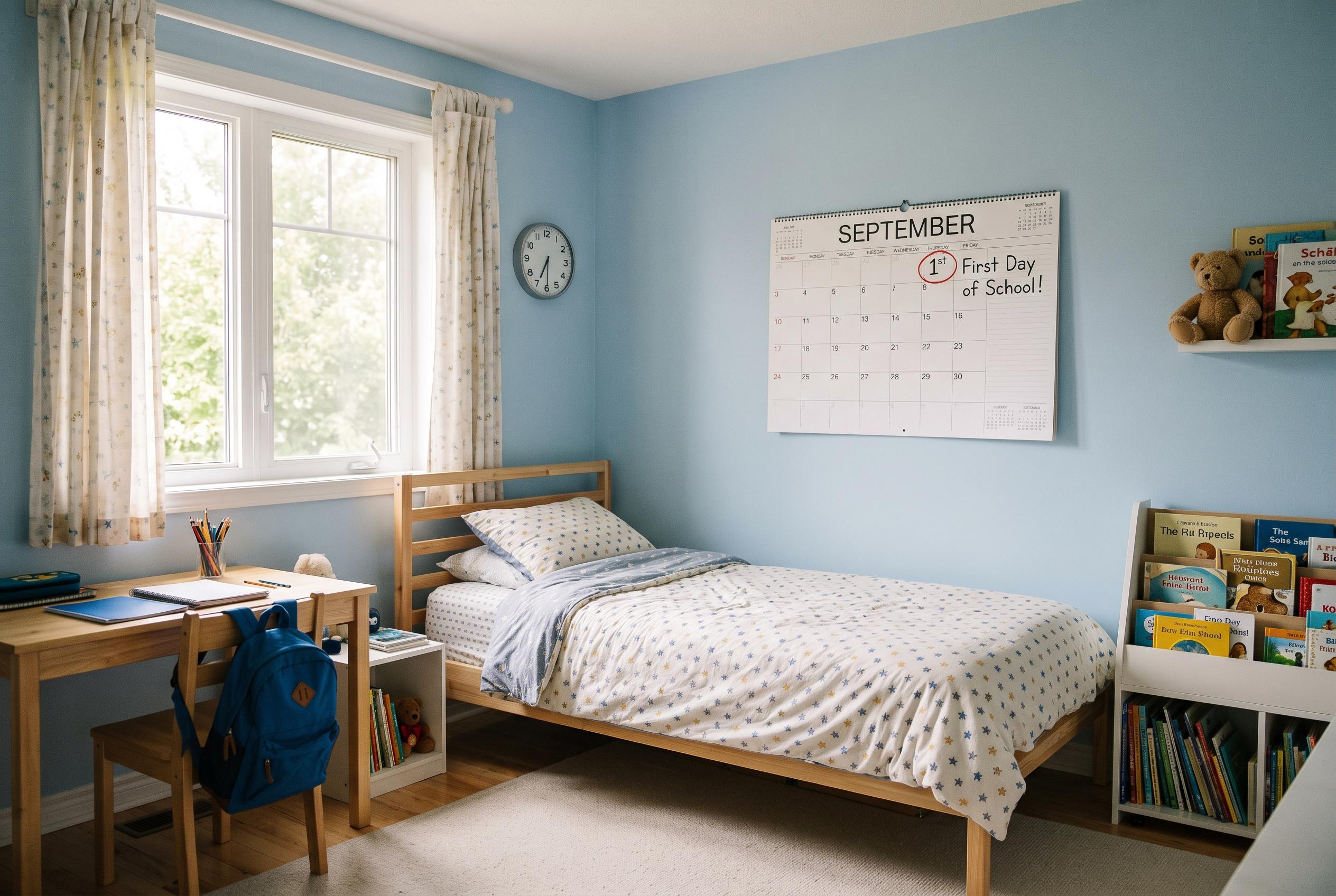

As summer disrupts children’s sleep patterns, experts emphasise the importance of maintaining routines to ensure a smoother return to school, highlighting practical strategies for parents to prevent unhealthy sleep drift and promote well-being.
Summer can quickly undo a child’s sleep routine, especially once school pressures, camps and family travel fall away. Dr Craig Canapari, a paediatric sleep specialist, argues that parents should not assume children will naturally stay rested simply because the calendar is less demanding. For younger children, sunrise often pulls wake-up times earlier, while teenagers are biologically prone to drifting later, a shift that can become more pronounced in the school holidays.
That summer drift matters, not only for mood and energy but also for health. Research behind the structured days hypothesis suggests that when children lose the regularity of school days, their sleep, physical activity, screen use and eating habits often worsen. A systematic review in Nature Communications Medicine found that less structured days are associated with later sleep timing, more screen time and less healthy diet patterns in adolescents, while other studies have linked longer breaks from school with later sleep and more sedentary behaviour. Observational work has also found that sleep midpoint shifts later in summer and that those changes can predict greater increases in body mass index.
Canapari says parents should still expect some flexibility during the break, especially for teenagers who are trying to recover from chronic school-year sleep loss. But he cautions against letting a late schedule become the default. Children who routinely sleep very long hours, or teenagers who need more than 10 to 11 hours a night, may need a medical review, particularly if the pattern is persistent rather than occasional. He also warns that late nights and sleeping in are often a sign of a bedtime that has crept too far back, rather than a child genuinely needing excessive sleep.
His practical advice is straightforward: keep a bedtime in place for most children through the early teenage years, even if it is somewhat later than during term time, and preserve a consistent wake-up time on weekdays for older teens. He also recommends daily structure, such as camp, work, chores, time outdoors and morning plans with friends. Just as important, he says, is limiting screens at night and keeping phones, tablets and televisions out of the bedroom so that digital habits do not steadily push sleep later.
As school approaches, Canapari advises families to begin resetting the schedule well before the first bell. If a child is waking more than one hour later than the school-year schedule, or a teenager more than two hours later, the adjustment should start early. In practice, that means moving wake-up time back gradually, by about 10 to 15 minutes a day, while using morning light to help shift the body clock earlier. A large delay can take weeks to correct, and a teen who has drifted to an almost nocturnal pattern may need help from a paediatrician. In some cases, delayed sleep-wake phase disorder or another sleep problem may be part of the picture, and melatonin or other treatment should only be considered with medical guidance.
The larger point, according to the sleep specialist, is that summer need not be a battle over every minute of bedtime. But it should not become a months-long free-for-all either. A modest degree of flexibility, paired with routine, daylight and limits on night-time screens, can help children enjoy the holiday without making the return to school harder than it needs to be.
Disclaimer: This content is for informational purposes only and is not intended to be a substitute for professional medical judgment, advice, diagnosis, or treatment.