

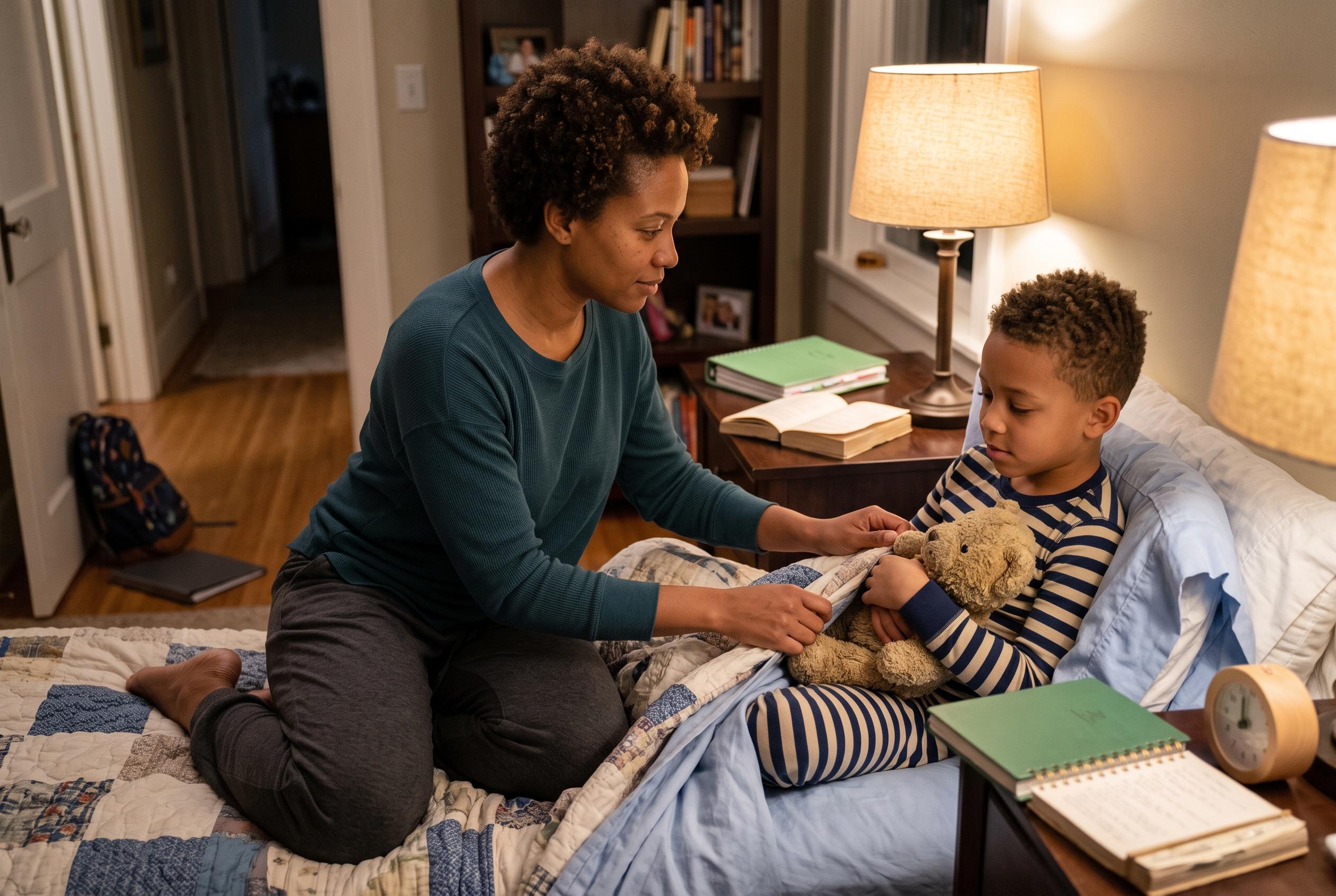

Clinicians advocate for comprehensive ADHD care that spans the entire day, aiming to better manage evening symptoms and sleep issues, moving away from a focus solely on visible daytime struggles.
A growing number of clinicians are questioning an older approach to attention-deficit/hyperactivity disorder treatment that treated the condition as managed once a child or adult was getting by at school or work. In a discussion published by Psychiatric Times, panelists argued that ADHD care should cover the whole day, not only the hours when symptoms are most obvious to teachers, employers or family members. The panel described this as a move away from “spot treatment” and towards steadier symptom control, with one clinician comparing the delay often seen in ADHD care to withholding asthma medicine until a child was in crisis.
The argument rests on a simple premise: whenever the brain is working, executive function is involved. That means many patients may appear to be coping in visible settings while still struggling later in the day, particularly at night. The panel said bedtime can be the hardest part of the day for people with ADHD because it demands self-directed effort, the ability to stop a preferred activity, and the patience to lie still in a quiet environment while waiting for sleep. They also noted that the racing mental activity some patients describe at night can be mistaken for anxiety, hypomania or ordinary rumination.
That concern matters because sleep problems can blur the diagnosis. The Mayo Clinic says adult ADHD symptoms can overlap with anxiety, depression and sleep disorders, which is why evaluation should include a careful history and, when needed, rating scales or psychological testing. In practice, that means clinicians are often trying to separate true ADHD from lookalike conditions, while also recognising that untreated ADHD itself can worsen evening routines, bedtime resistance and general emotional strain.
The panel also made a case for longer-acting stimulant medicines over immediate-release products for many patients. Immediate-release formulations, they said, are more likely to be misused or diverted and can produce a sharper wear-off that leaves evenings more difficult and may disrupt sleep. That view is consistent with broader treatment guidance: the Cleveland Clinic and Healthline both describe stimulants as standard first-line medicines, while also noting that non-stimulants such as atomoxetine, viloxazine, guanfacine and clonidine may be better suited for some patients. Concerta’s adult information likewise emphasises once-daily delivery intended to release methylphenidate gradually through the day. The broader message from the panel was not simply to medicate more, but to match treatment to the full rhythm of daily life so that ADHD is controlled smoothly through bedtime rather than only during the hours others are watching.
Disclaimer: This content is for informational purposes only and is not intended to be a substitute for professional medical judgment, advice, diagnosis, or treatment.



