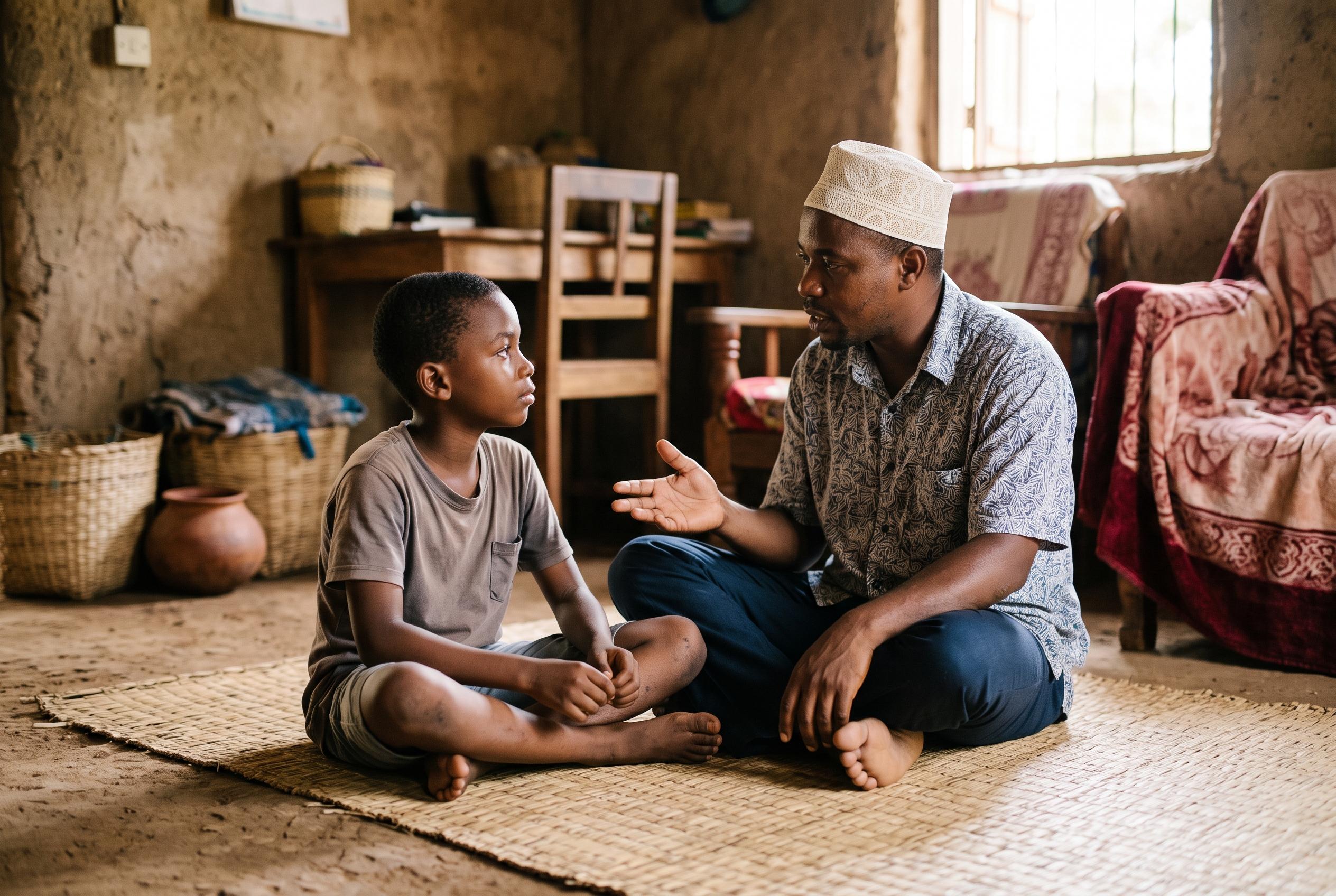

Zanzibar introduces a new toolkit for parents to encourage open discussions about sexual and reproductive health, aiming to replace silence with informed guidance amidst cultural sensitivities.
Zanzibar has launched a new toolkit aimed at helping parents talk more openly with children about sexual and reproductive health, in a move officials say is meant to replace silence with informed guidance.
The Parent-Child Communication Toolkit on Sexual and Reproductive Health and Rights was unveiled by the Revolutionary Government of Zanzibar in partnership with UNESCO at Verde Hotel on 3 September 2026. The initiative builds on work that UNESCO says began in 2021, when the two partners started trying to make family conversations about sexuality, health and relationships more accurate, culturally sensitive and easier to have.
Deputy Minister Zawadi Amour Nassor, speaking on behalf of Social Development, Elderly, Gender and Children Minister Anna Athanas Paul, said reproductive health should not be reduced to biology alone. She said it also includes parenting, values, respectful relationships, child safety and the confidence to refuse unwanted behaviour.
The toolkit is designed for parents and caregivers of adolescents, especially those aged between 10 and 19, a period when young people often face physical, emotional and social changes but may not have a trusted adult to turn to. It offers guidance on age-appropriate conversations and covers reproductive health, HIV and AIDS, gender and life skills, with an emphasis on communication and children’s rights.
Officials and education advocates argue that the need for such guidance is broader than Zanzibar. Research and public health guidance from organisations including the US Centres for Disease Control and Prevention and the American Sexual Health Association suggest parents remain among the most influential voices in a teenager’s decisions about sex, and that open, informed discussions are linked with healthier outcomes. Studies cited by the CDC say teens who talk with parents about sex are more likely to delay sexual activity and, when they do become sexually active, more likely to use condoms.
That message resonated with parents at the launch. Bahati Issa, a parent from Kikungwi in Unguja, said the material should not stay within meetings and official events but should reach households across the islands. Abeda Rashid Abdallah, the ministry’s secretary general, said the toolkit was created to improve communication between parents and children while supporting the wellbeing of adolescents and young people.
UNESCO and Zanzibar officials say the challenge now is making the toolkit practical, not merely symbolic. They want it used in homes, supported by schools, communities, religious leaders and young people themselves, so that difficult conversations become more ordinary and children are less likely to depend on social media, peers or guesswork for answers about their bodies and relationships.
Disclaimer: This content is for informational purposes only and is not intended to be a substitute for professional medical judgment, advice, diagnosis, or treatment.