

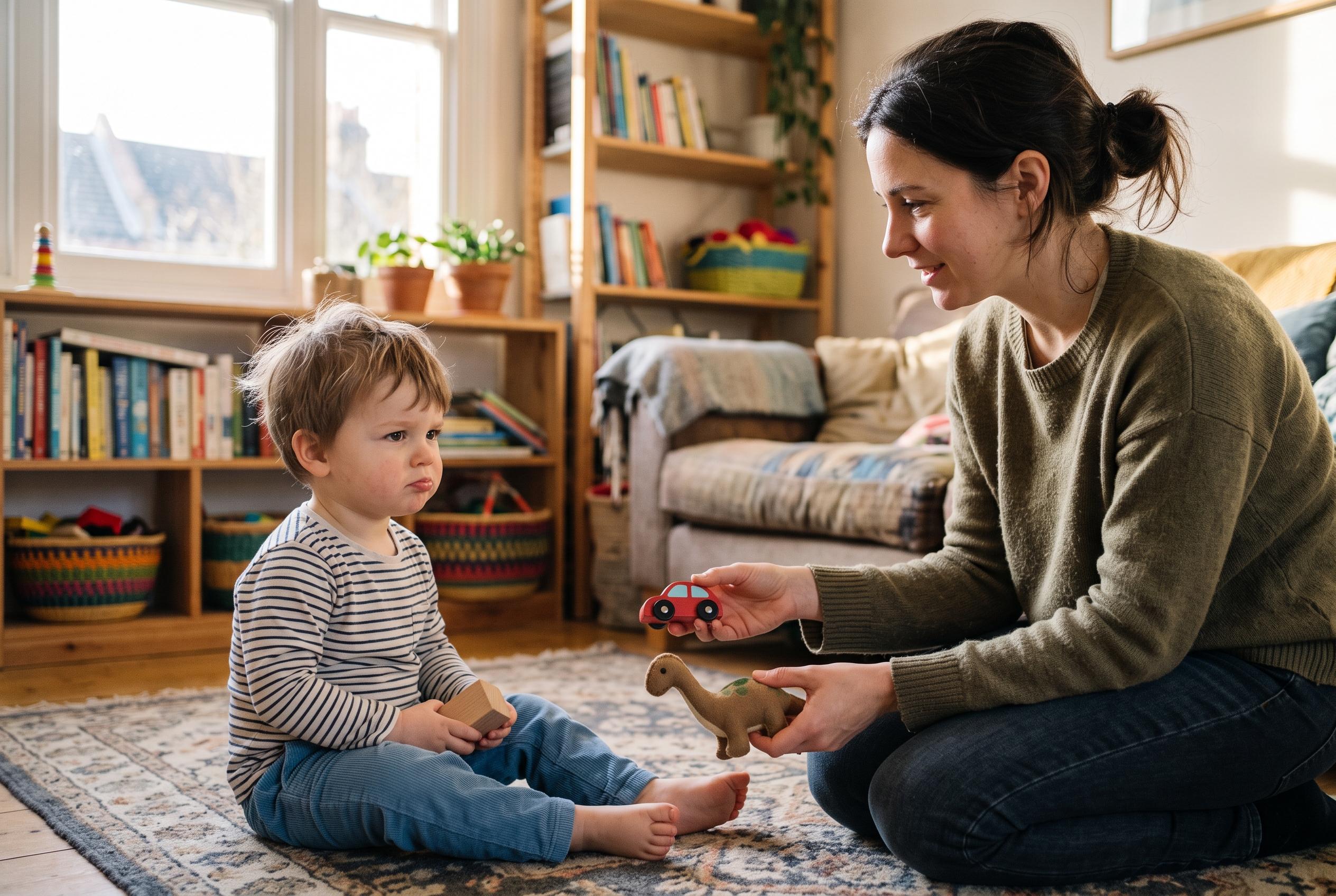

The relentless refusals are usually a normal stage of growing independence. Experts explain why toddlers rely on “no” and how calm boundaries, choices and routines can ease the conflict.
If your toddler seems to answer almost every question with “no”, you are seeing a very common stage of early childhood development. Parents often notice it beginning at around 15 to 18 months, and it can continue for roughly a year or two as children move through the so-called “no” phase, when independence grows faster than language and self-control. Child-development experts say this pattern is normal, temporary and often a sign that a child is learning to assert a sense of self.
There are a few reasons toddlers lean so heavily on the word. It is simple to say, they hear it frequently from adults, and it quickly becomes a useful catch-all when they are frustrated, uncertain, tired or overwhelmed. Care.com says toddlers also use “no” to test limits and provoke a response, while other child-development guides note that it can reflect a desire for control, limited vocabulary and the habit of copying the language they hear around them. In other words, the word is doing a lot of work long before children have the emotional or verbal tools to explain what they really mean.
The most effective responses tend to be calm and consistent. Rather than matching a toddler’s intensity, parents are usually advised to model the behaviour and language they want to hear, keep directions simple and redirect children towards acceptable alternatives. Offering limited choices can also reduce conflict by giving a child a sense of control without surrendering the boundary. For example, asking whether they want the red shirt or the blue one, or whether they would like an apple or an orange, lets the child participate in the decision while the adult still sets the terms.
When a refusal turns into a meltdown, experts recommend acknowledging the feeling without giving in to unsafe or unreasonable demands. Cleveland Clinic says the aim is not to argue with an upset toddler, but to stay steady, name the emotion and hold the line. That might sound like, “I know you really want chocolate. You can have some after dinner,” or, if the issue is safety, “Walking up the slide is not safe. Let’s use the steps together.” The point is to pair empathy with a clear boundary, so the child feels heard even when the answer remains no.
Routine can also make a meaningful difference. Predictable rhythms around meals, bedtime and the morning rush reduce uncertainty, while visual charts can help children understand what happens next. Several parenting guides also stress the value of involving toddlers in everyday tasks, from mixing ingredients to helping with simple household chores, because participation supports independence and often lowers resistance. As language improves, many children outgrow the constant refusals and begin using fuller sentences to express themselves, but the desire for autonomy usually remains. For parents, the challenge is to remember that the phase is exhausting but ordinary, and that patience, structure and selective yeses can make it easier to live through.
Disclaimer: This content is for informational purposes only and is not intended to be a substitute for professional medical judgment, advice, diagnosis, or treatment.



