

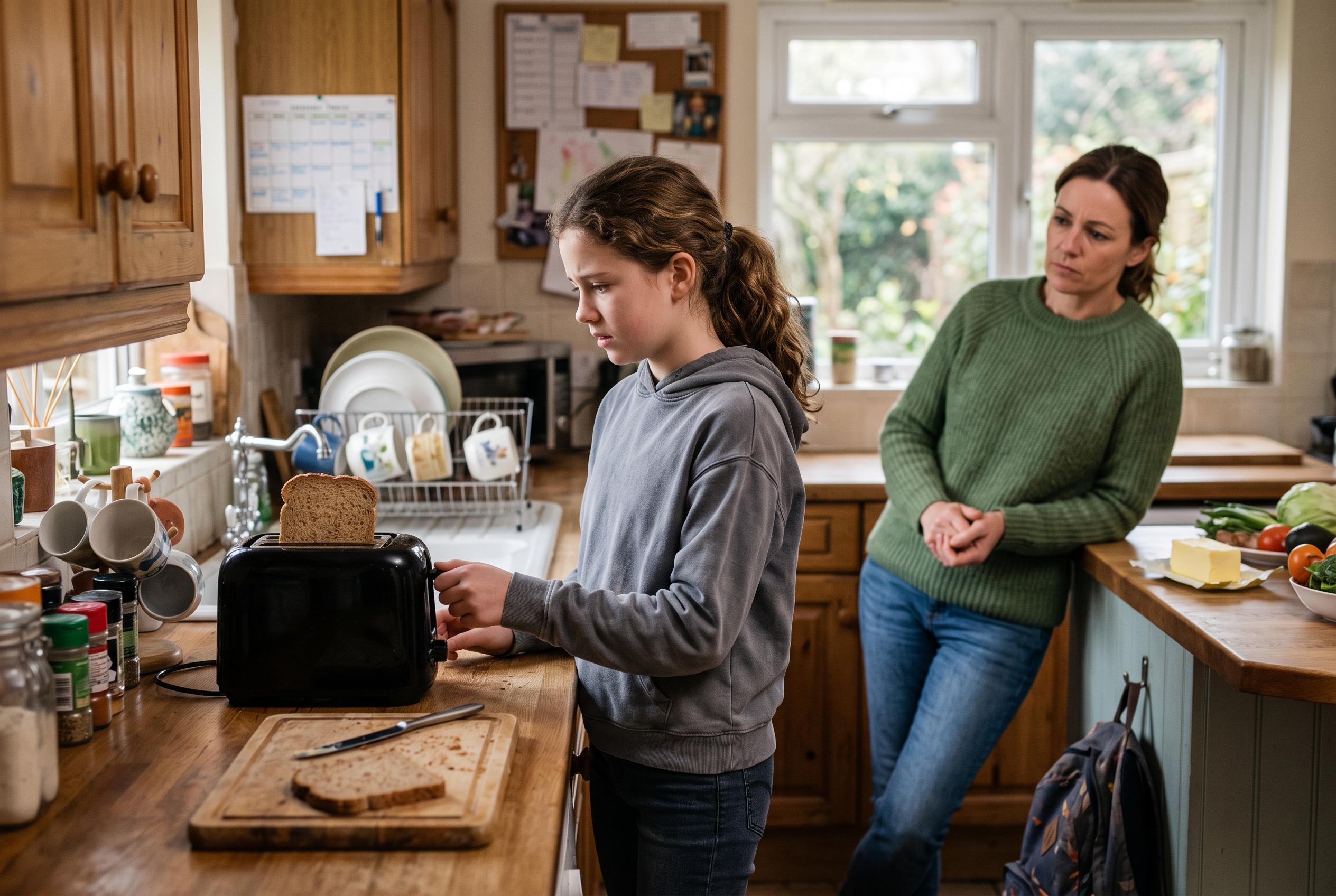

Commentary suggests that dependent adults are shaped less by teachers than by family habits that deny children responsibility, choice and room to grow.
The debate over so-called “mama’s boys” often begins with blame, but the available commentary suggests a more nuanced picture. The original article argues that when boys grow into dependent, indecisive men, the fault usually lies less with teachers than with the family environment that shaped them. That view is echoed in a People report, which describes the phenomenon as a pattern of dependence fostered by excessive maternal pampering and a lack of independence at home.
At the heart of the argument is a division of labour between home and school. Schools can teach children to follow rules, work with others and manage themselves in a group setting, but they cannot replace daily parenting. The article says teachers may encourage children to organise their belongings, complete homework alone and resolve small conflicts, yet those lessons can be undone if a child returns home to constant assistance and overprotection. Baidu Health likewise frames the issue as a social and psychological pattern with several causes, rather than a single failing.
The family, the article insists, is where habits of autonomy are first formed. When parents do everything for a child, from dressing and tidying to solving minor problems, the child has little reason to practise responsibility or decision-making. Over time, that arrangement can produce a young person who expects others to step in, avoids difficulty and struggles to act without guidance. A 2023 article on Sina reached a similar conclusion, linking these traits to parental overprotection and a shortage of chances to practise independence.
Another factor is the way some households blur boundaries. According to the article, children who are given little say over everyday choices, from clothes and food to hobbies and friends, can grow up unsure of their own judgement. A separate piece on Faxing China describes the typical adult result as someone who lacks personal opinions and leans on his mother for routine decisions. The broader concern, as other commentary notes, is not just immaturity but the strain such dependence can place on later relationships and adult life.
School, however, should not be written out of the story altogether. The article concedes that teachers can help more reserved or dependent pupils by offering encouragement and chances to practise independence. Still, it argues that schools can only work at the margins if home life continues to reward helplessness. Sohu has made a similar point, saying that the original family environment plays a decisive role in forming blind obedience and weak self-direction.
For parents, the practical lesson is straightforward: independence has to be taught, not merely hoped for. That means allowing children to make age-appropriate choices, take responsibility for small tasks and experience the consequences of their decisions. The article also stresses the importance of fathers being more involved, so boys have a broader model of steadiness and responsibility. The underlying message is that boys become confident and self-reliant not because school tells them to, but because family life gives them room to grow.
Disclaimer: This content is for informational purposes only and is not intended to be a substitute for professional medical judgment, advice, diagnosis, or treatment.



