


Helping teenagers build routines, communicate boundaries and learn from setbacks can prepare them for adulthood more effectively than focusing on grades and deadlines alone.
Teenagers are often measured by grades, attendance and the next milestone on the calendar, but those markers tell only part of the story. Whitehaven Clinic says the years before adulthood are also a time for practising independence, with young people quietly learning how to make choices, recover from setbacks and handle pressure in ways that will matter long after school ends.
A central lesson is decision-making. Rather than telling a teenager simply to “make better choices”, Whitehaven Clinic argues that adults should help them unpack what happened: what they noticed in their body and thoughts, which options they saw, whether they felt able to pause and who they could have asked for support. Other teen-focused guidance echoes that approach, with Embark Behavioural Health, Know Your Neuro and Newport Academy all stressing that communication, emotional regulation and problem-solving are closely linked to safer, more confident decision-making.
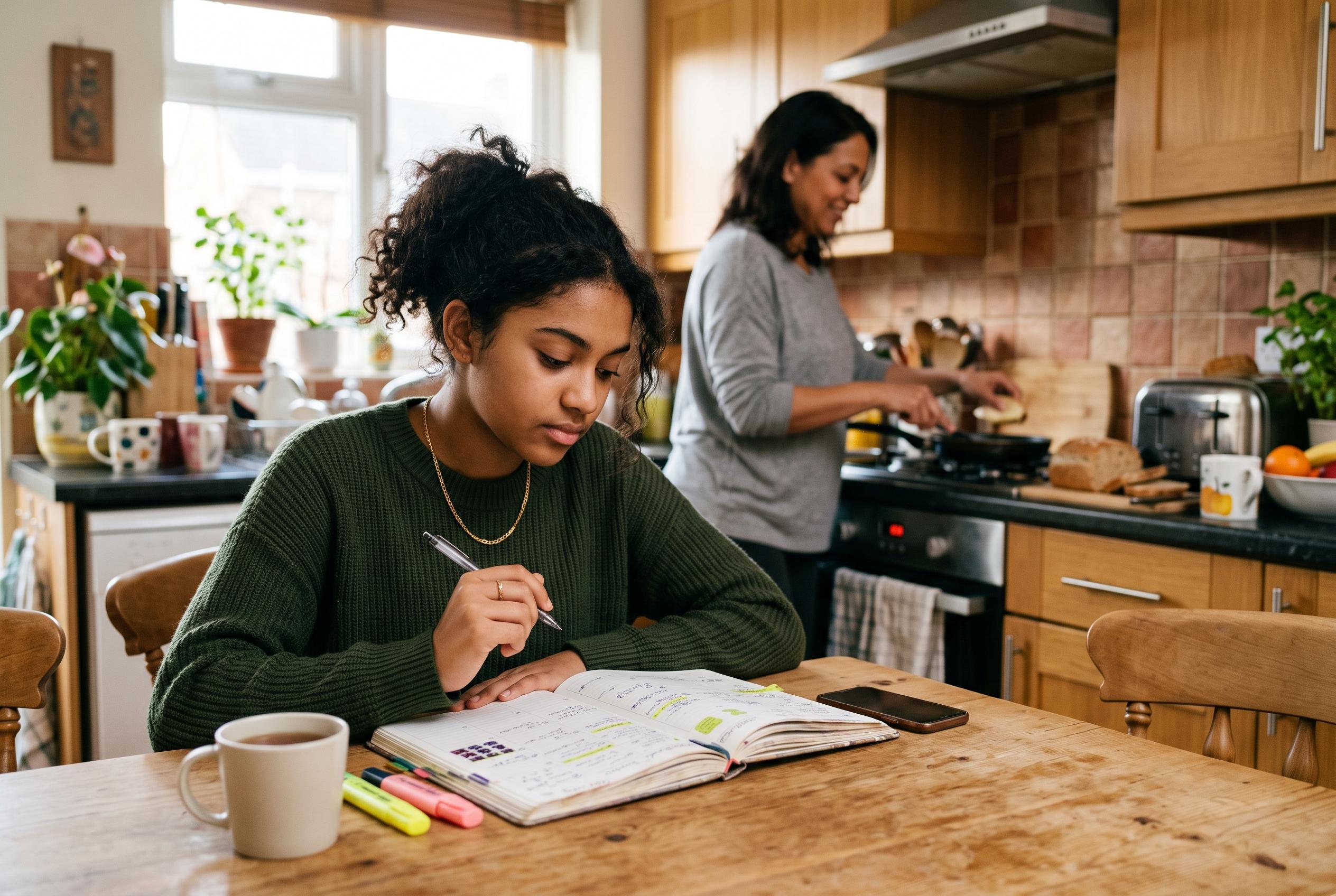
Routine is another useful skill, but it works best when it is built with teenagers rather than imposed on them. Sleep, schoolwork, meals, downtime and enjoyable activities all compete for attention, and a schedule that is too strict can become another battleground. A shared routine gives a teen room to take responsibility gradually, while also creating more opportunities to practise coping strategies when stress, alcohol or other risky behaviours threaten to take over the day. That wider structure matters, because adolescence often brings fresh academic pressure, shifting friendships and stronger emotional swings.
Communication and boundaries are just as important. Healthy communication, according to Planned Parenthood, is a two-way process built on honesty, listening and respect, while Kidpower International says teenagers need practical ways to state limits clearly and confidently. Whitehaven Clinic makes a similar case, encouraging young people to say when they are overwhelmed, need space or are uncomfortable, and to see disagreement at home as a chance to practise those skills. Its Teens Program is designed around that wider goal: addressing immediate concerns while also teaching self-awareness, coping, emotional regulation and practical judgement that can carry into adulthood.
Disclaimer: This content is for informational purposes only and is not intended to be a substitute for professional medical judgment, advice, diagnosis, or treatment.



