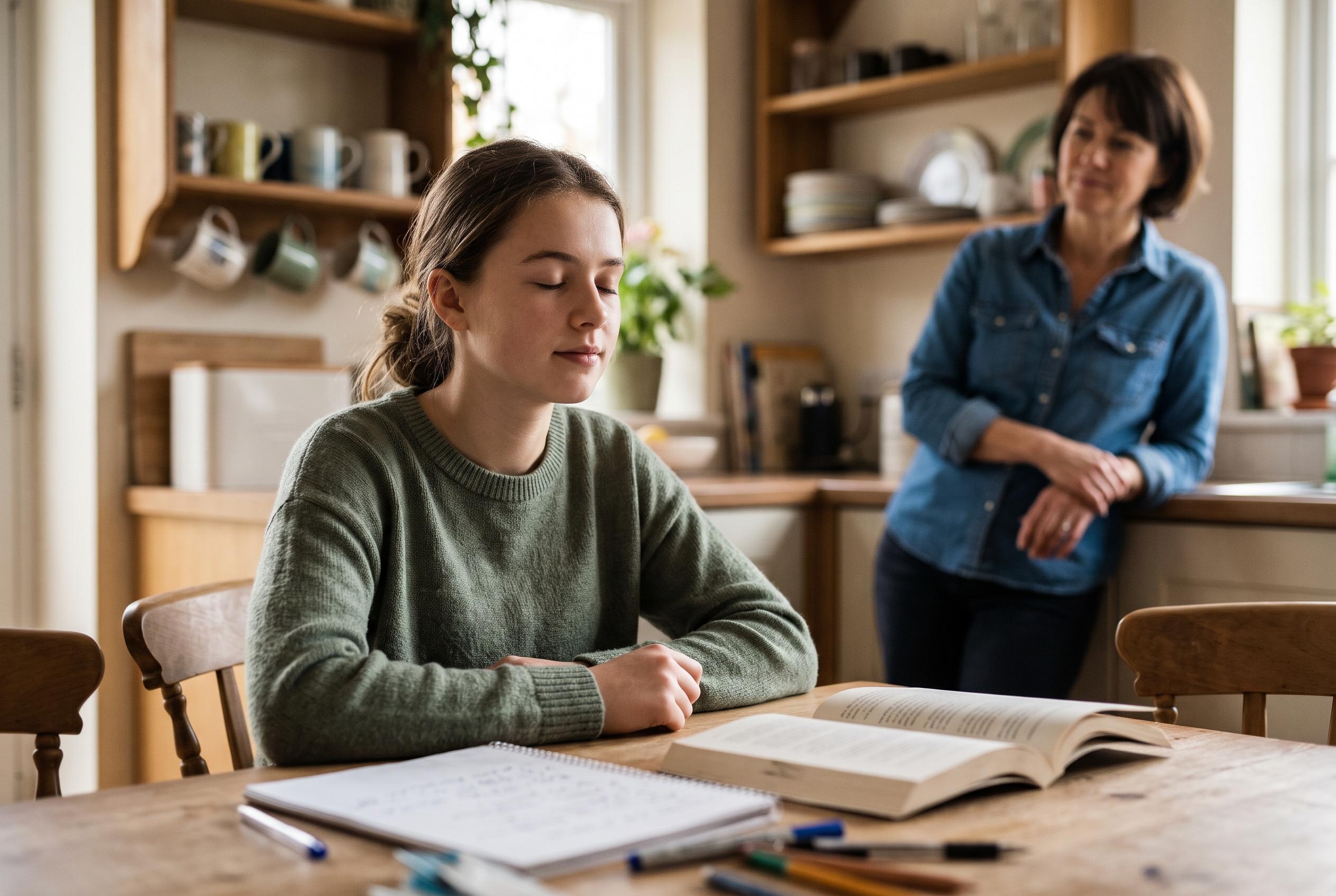

Small changes at home, from protecting breaks and routines to listening without hovering, can help teenagers manage exam stress while keeping parents grounded.
Exam season can place a strain on the entire household, especially when a teenager is balancing revision, deadlines and anxiety about what comes next. For parents and carers, the challenge is often not just helping a young person prepare, but doing so in a way that feels steady rather than overwhelming. The advice shared by Children’s Services Melbourne in its exam-season guide is built around that balance: small, practical acts of support can make a real difference without turning home life into a pressure cooker.
One of the simplest ways to help is to treat breaks as part of studying, not a distraction from it. Guidance published by The Parenting Daily and other parenting resources stresses that long, uninterrupted revision sessions can leave teenagers drained and less able to concentrate. A short walk, a snack, some fresh air or even a few quiet minutes away from books can help reset attention and reduce tension, while also giving parents a natural chance to check in without hovering.
It also helps to keep the home atmosphere calm and predictable. The British Council’s parenting advice and Florida Atlantic University High School’s counselling newsletter both note that routine matters during testing periods, particularly when sleep, meals and hydration are at risk of slipping. Parents do not need to create a perfect revision timetable or cook elaborate meals; simple food, a regular bedtime and a stable rhythm to the day can support concentration and reduce stress.
Another useful shift is to offer support without turning every conversation into a review of progress. Parenting guidance from Momentum Counselling in Hong Kong and The Parenting Daily both suggest that teenagers often respond better to trust and open listening than to repeated questioning. Asking what would help, rather than assuming, allows young people to keep some control over the process. For some, that may mean a practical lift with organisation. For others, it may simply mean having someone nearby who is available but not intrusive.
Parents can also reduce anxiety by helping their teenager feel more familiar with exam-day routines. The Children’s Services Melbourne article recommends talking through the practical details in advance, from what time to leave home to what to bring and where the exam will be held. Other parenting resources make the same point: knowing the basics in advance can ease the fear of the unknown, especially for students sitting major exams for the first time. In that same spirit, it can help to remind teenagers that asking a teacher, tutor or trusted adult for guidance is a sign of strength, not failure.
Just as important is what happens after each exam. Several of the sources advise against launching straight into a debrief the moment a teenager comes home, since some will want to talk while others will need space to decompress first. That approach reflects a wider theme running through the advice: the goal is not to eliminate every worry, but to help a young person feel capable, supported and trusted. At the same time, parents are encouraged not to overlook their own needs. A short walk, a phone call or a quiet cup of tea can help them stay grounded through a demanding period.
Disclaimer: This content is for informational purposes only and is not intended to be a substitute for professional medical judgment, advice, diagnosis, or treatment.