

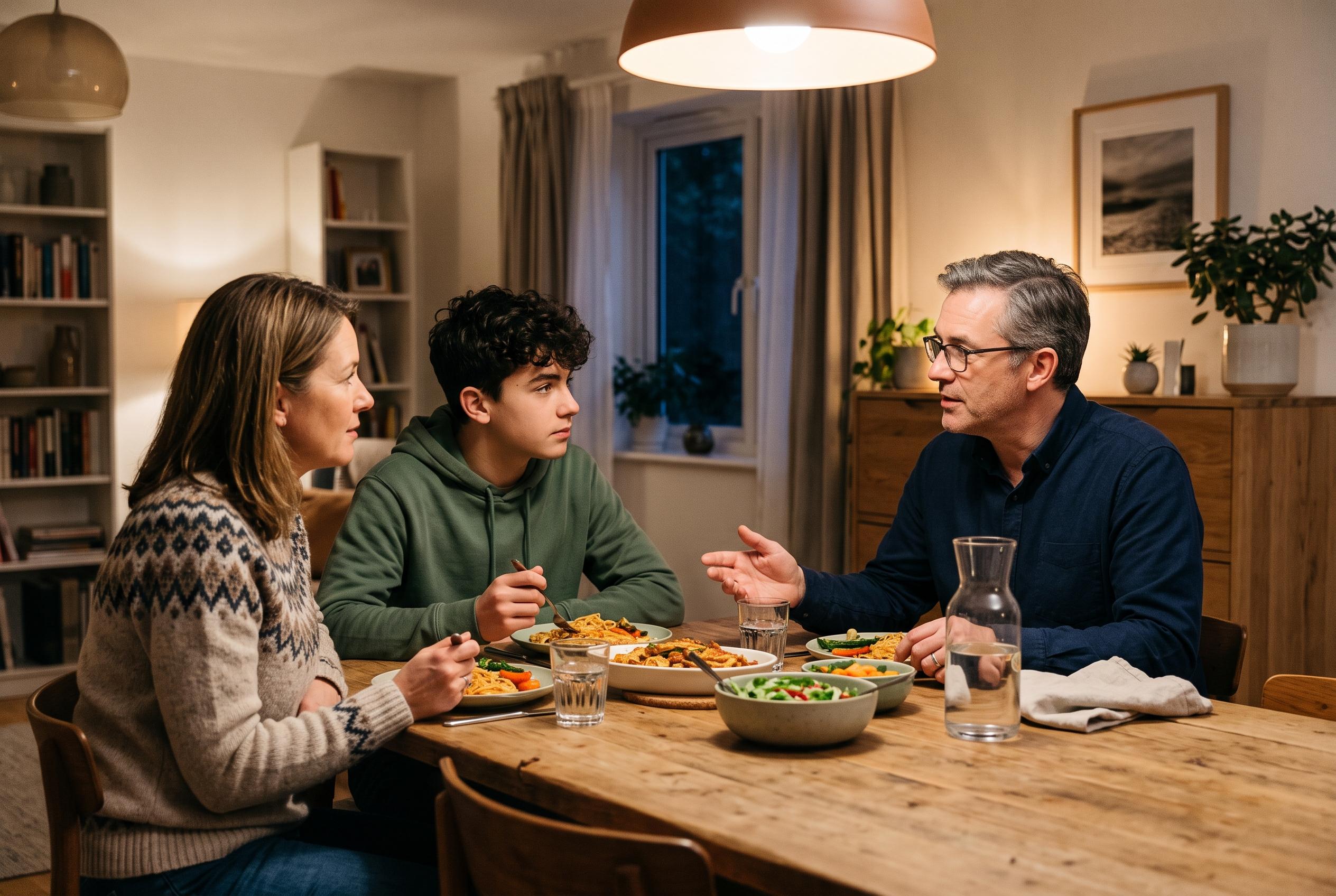

Experts say families should focus less on total bans and more on conversations, clear boundaries and keeping screens out of mealtimes and bedrooms.
Parents wrestling with a 13-year-old’s pleas for TikTok or YouTube are facing a common modern dilemma: how to set limits without making a child feel isolated from friends. The guidance from Dr Clo, as presented in PDX Parent, is that a total ban is often unrealistic. Even if a child does not have an account, she is likely to see these platforms on friends’ devices, and the issue will not disappear simply because access is delayed.
A more practical approach, the American Academy of Pediatrics says, is to build family rules around the “5 Cs of Media Use”: child, content, calming, crowding out and communication. The framework encourages parents to think about who the child is, what she is watching, whether screens are being used to settle emotions, what activities are being displaced, and how openly the family talks about digital habits. That kind of conversation, rather than a one-off lecture, is more likely to help a young teenager develop healthier habits.
That advice reflects a wider body of medical guidance. The Mayo Clinic says social media can help teenagers create identity, stay connected and find support, but it can also contribute to anxiety, low mood and poorer sleep when use becomes excessive. Cleveland Clinic similarly warns that heavy use can affect mental health and sleep, while noting that social media is already widespread among young people, including many children under 18. In other words, the question is usually not whether a child will encounter social media, but how parents can shape that exposure.
For families trying to draw a clear line, Dr Clo’s non-negotiable is straightforward: no social media during meals or sleep hours. Keeping phones and tablets out of bedrooms at night, or using parental controls to limit access, can reduce some of the most troublesome habits. The broader goal is not perfect protection from every online risk, but steady, honest guidance that acknowledges both the benefits and the dangers of being online.
Disclaimer: This content is for informational purposes only and is not intended to be a substitute for professional medical judgment, advice, diagnosis, or treatment.



