

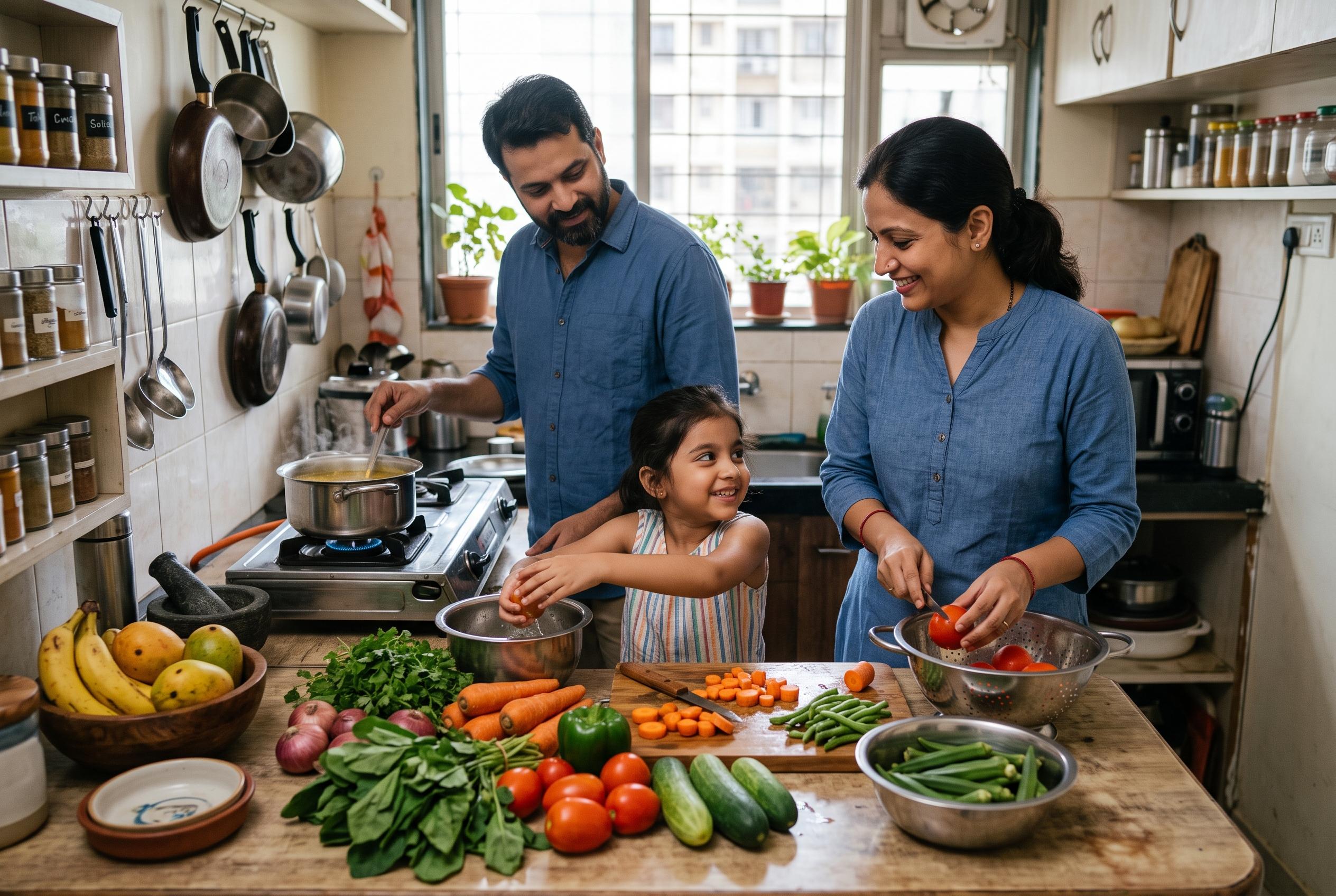

With childhood obesity rising sharply in India, experts urge families to recognise the health risks early while calling for healthier schools, diets and food policies.
India’s childhood obesity crisis is no longer a marginal concern confined to urban clinics. With the World Health Organization issuing its first global guidelines for treating obesity in children and teenagers, the issue has moved from a private family worry to a wider public health challenge that calls for early recognition, medical assessment and lasting lifestyle change.
The scale of the problem is stark. The WHO says obesity among children and adolescents has quadrupled since 1990, rising from 2% to 8%, while around 400 million people aged 5 to 19 were overweight in 2024. UNICEF India has warned that unhealthy, highly processed food and lower levels of physical activity are pushing the trend higher, and that India could have more than 27 million children and adolescents living with obesity by 2030.
For Indian families, one of the hardest steps is accepting that excess weight may be a health issue rather than a harmless phase. Dr Manish Mannan, a senior paediatrician at Paras Hospital in Gurugram, said many parents and grandparents still struggle to recognise childhood obesity as a medical concern, even though it can lead to metabolic problems and increase the risk of obesity in adulthood. WHO defines overweight in children and adolescents aged 5 to 19 as a BMI-for-age more than one standard deviation above the WHO growth reference median, and obesity as more than two standard deviations above it.
The new guidance places structured eating plans, physical activity and behaviour change at the centre of care, but experts say that does not amount to a simple command to eat less and move more. Basanta Kumar Kar, author of “Malnutrition: Fed or Misled? The Truth Beyond Food”, said Indian children may receive enough calories while still lacking protein, healthy fats and key micronutrients. That helps explain why India faces a double burden: undernutrition and excess weight can exist in the same child, household or community. UNICEF India has also pointed to the growing dominance of packaged snacks, sugary drinks and other ultra-processed products in children’s diets, often at the expense of fruits, vegetables and traditional meals.
The health effects can be hidden until they are more advanced. Dr Neelam Mohan, a paediatric gastroenterologist and hepatologist at Medanta Medicity Gurugram, said a child may appear active and well but still have raised blood pressure, abnormal cholesterol, high blood sugar or fatty liver disease. WHO also warns that children with obesity are more likely to become obese adults and to develop noncommunicable diseases such as diabetes and cardiovascular disease at younger ages. Mohan said the conversation with children should focus on care rather than shame, and should frame healthier habits as a family effort around food, sleep and activity.
Medication is not the first answer, and for younger children WHO does not recommend it. For adolescents aged 10 to 19, obesity medicines may be considered only under specialist supervision when intensive lifestyle measures have not worked, while bariatric surgery is reserved for severe cases under strict conditions. Mannan said parents should see such drugs as tools for carefully selected patients rather than quick fixes. UNICEF India’s Dr Vivek Virendra Singh said families cannot be expected to solve the problem alone, and argued that school food standards, daily exercise and stronger limits on marketing unhealthy products to children are also needed if healthier choices are to become easier and cheaper for parents.
Disclaimer: This content is for informational purposes only and is not intended to be a substitute for professional medical judgment, advice, diagnosis, or treatment.



