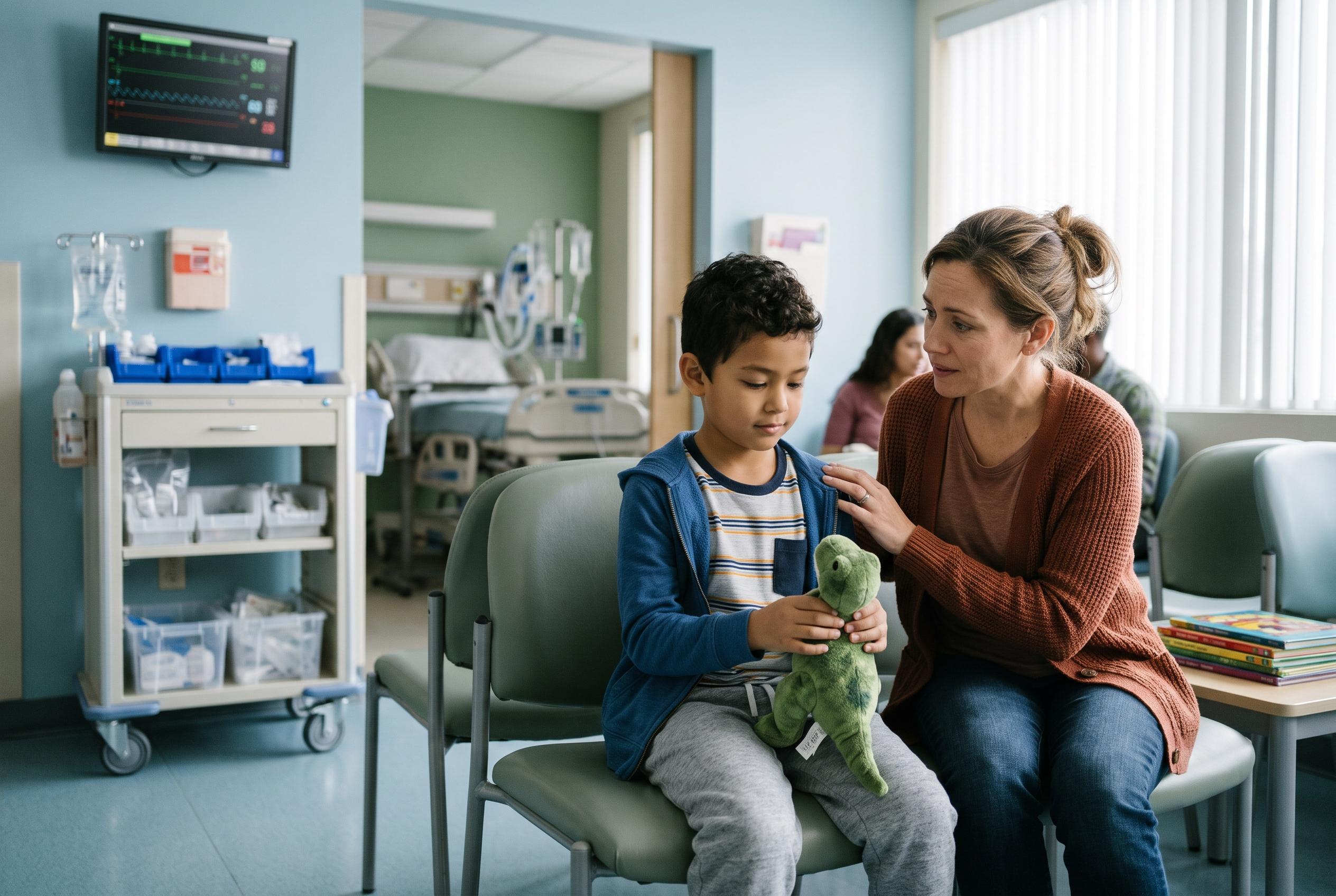

More than 80% of children with cancer survive in high-income countries, but fewer than 30% do in many poorer nations as gaps in diagnosis, medicines and specialist care persist.
Each year, about 400,000 children and teenagers aged 0 to 19 are diagnosed with cancer worldwide, according to the World Health Organisation, yet survival rates remain sharply divided by geography. The agency says more than 80 per cent of children with cancer can be cured in high-income countries, while fewer than 30 per cent survive in many low- and middle-income countries.
That gulf is driven less by biology than by systems of care. WHO says outcomes depend on whether a child is identified early, diagnosed correctly, given the right treatment, able to access essential medicines and supported through the full course of care without facing overwhelming financial strain. For many families in poorer health systems, a disease that is often treatable becomes life-threatening because the route to care is fragmented or too costly.
Childhood cancer can appear at any age and in almost any part of the body, but unlike many cancers in adults, it is rarely linked to lifestyle choices. WHO says the most common forms include leukaemia, brain tumours and solid tumours such as neuroblastoma and Wilms tumour, while lymphomas, bone cancers and thyroid cancer become more common in adolescents. The agency also says about 10 per cent of children with cancer have a genetic predisposition, and certain infections, including HIV, Epstein-Barr virus and malaria, can raise risk in some settings.
Because there is no effective population-wide screening programme for childhood cancer, early recognition of warning signs is especially important. Persistent fever, severe headaches, bone pain and unexplained weight loss can all be red flags. But spotting symptoms is only the first step. WHO says delays in diagnosis, wrong diagnoses, interrupted treatment, toxic side-effects and relapse all contribute to avoidable deaths, particularly where specialist services are limited. Essential medicines, pathology, blood products, radiotherapy and psychosocial support are still unevenly available, and WHO says only 29 per cent of low-income countries report that cancer medicines are generally accessible, compared with 96 per cent of high-income countries.
The international response has increasingly focused on narrowing that gap. WHO and St Jude Children’s Research Hospital launched the Global Initiative for Childhood Cancer in 2018, setting a target of at least 60 per cent survival by 2030. The programme is designed to strengthen national childhood cancer services, speed up diagnosis, widen access to treatment and essential medicines, and reduce the financial burden on families. WHO later worked with St Jude on a global medicines platform to help ensure a more reliable supply of quality-assured drugs. The message from health experts is clear: childhood cancer is not always preventable, but it is often curable when children receive timely, proper care.
Disclaimer: This content is for informational purposes only and is not intended to be a substitute for professional medical judgment, advice, diagnosis, or treatment.