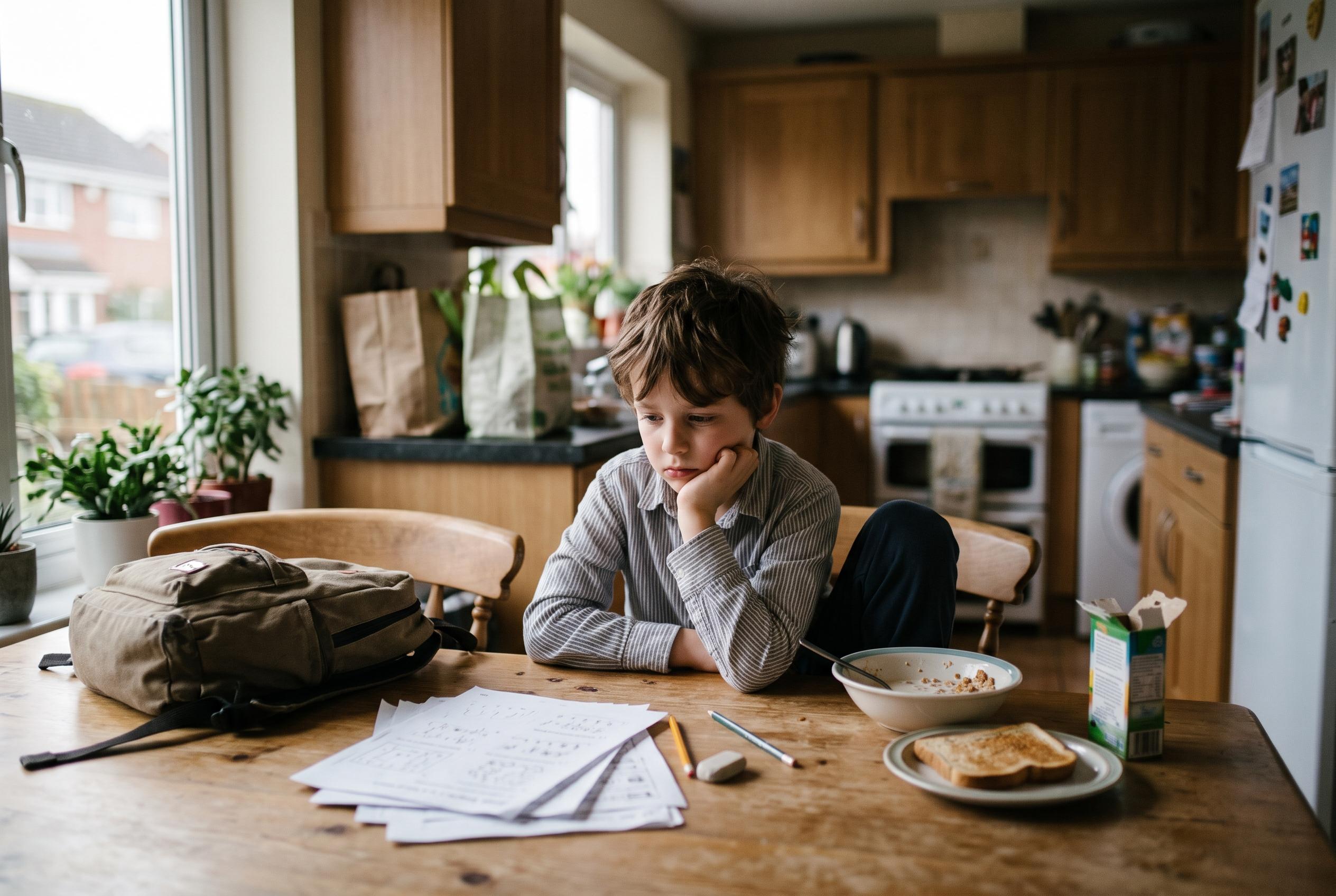

Anxiety is common among children and teenagers, but experts say disruption to sleep, school, friendships or daily activities can signal a need for support.
Childhood anxiety is common, but it is not always a sign that something is wrong. In an interview with Tulsa Kids, Scott Moseman, a child and adolescent psychiatrist at Laureate Psychiatric Clinic and Hospital, said many parents are simply more alert to the signs than they used to be. That awareness matters, especially as recent data suggest anxiety is now among the most frequently diagnosed mental health conditions in young people.
National figures back up that concern. Data from the 2023 National Survey of Children’s Health show that anxiety is the most common diagnosed mental health condition among U.S. adolescents aged 12 to 17, affecting about 16.1% of that age group. Other recent reporting puts the share of children and teens with diagnosed anxiety at roughly 11%, with higher rates among girls than boys, while lifetime estimates suggest nearly one in three adolescents has experienced an anxiety disorder at some point.
Moseman said the key question for parents is not whether a child ever feels anxious, but whether anxiety starts to interfere with daily life. Some nervousness about tests, friendships or grades is part of normal development. Concern grows when worry begins to disrupt sleep, eating, school attendance, friendships or activities a child once enjoyed. Panic attacks, withdrawal, falling grades and school avoidance can all be warning signs that the problem has moved beyond ordinary stress.
He also said parents should not wait for a crisis before seeking support. A therapist or doctor can help determine whether a child’s fears are developmentally normal or whether treatment is needed. Therapy is often the first step, and medication may be considered when symptoms are more severe or when counselling alone is not enough. The American Academy of Pediatrics says anxiety disorders in teenagers have risen in recent years and are highly treatable, especially when identified early.
Screen time and social media can add another layer of pressure. Moseman said online life can fuel comparison, social worry and reduced patience, though it can also help some isolated children feel less alone. Public health guidance from the U.S. Surgeon General warns that many teenagers use social media daily and that heavy use may be linked to worse mental health outcomes. For parents, the practical approach is moderation, supervision and attention to sleep, schoolwork and in-person relationships.
For families hesitant about seeking help, Moseman’s message was simple: anxiety is not a weakness. He said it is often linked with qualities parents value, such as intelligence and empathy, but that untreated anxiety can also carry its own costs. The goal, he said, is balance: helping children function well, feel supported and move through life without being held back by fear.
Disclaimer: This content is for informational purposes only and is not intended to be a substitute for professional medical judgment, advice, diagnosis, or treatment.