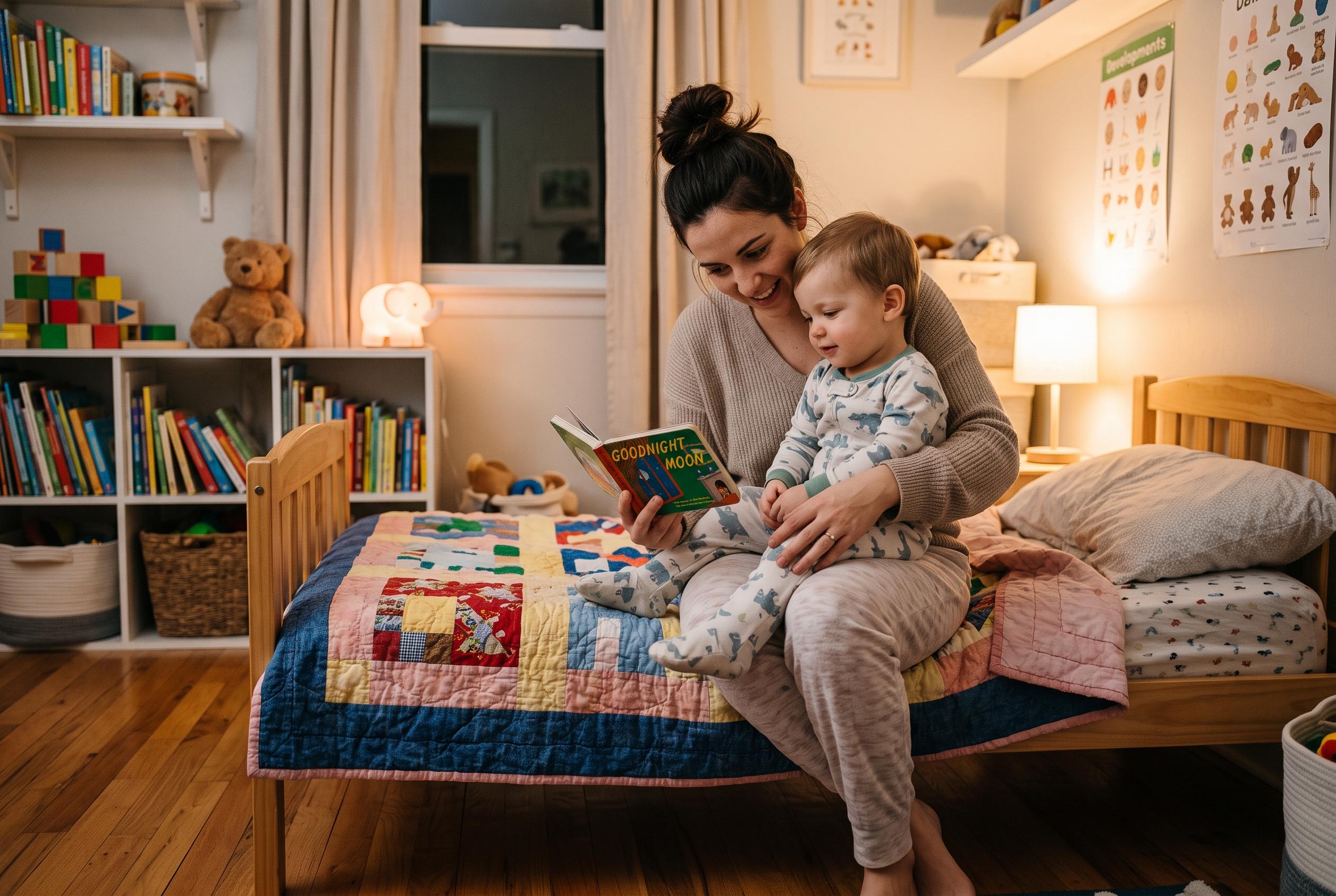

Experts reveal that bedtime struggles are rooted in developmental needs and attachment, urging parents to adapt routines with patience and connection.
Parents who have wrestled a toddler through another bedtime standoff will recognise the pattern: the day ends in tears, requests multiply and a child who seemed exhausted an hour earlier suddenly appears to have boundless energy. The latest wave of parent commentary online has put that familiar struggle back in focus, with one exhausted TikTok user, Annalee Ford, asking why getting children to sleep can feel so difficult, and a sleep specialist offering an explanation that is less about defiance than competing needs.
Cayla Solomon, a certified sleep specialist and parent coach, argues that bedtime often becomes a flashpoint because parents and children arrive there wanting entirely different things. Adults are usually eager for quiet, rest and a break from the day, while toddlers are often seeking one last burst of closeness after hours apart at nursery, with a childminder or with family. In Solomon’s view, that mismatch helps explain why children suddenly ask for another story, another cuddle or another drink just as their parents are trying to get them under the covers.
That tension is reinforced by normal development. Dr Sally Ibrahim, director of paediatric sleep medicine at University Hospitals Rainbow Babies & Children’s Hospital, told Scary Mommy that toddlers are learning independence and practising saying “no”, which can make resistance at bedtime part of ordinary behaviour rather than a sign of deeper trouble. Other sleep specialists cited in related guidance point to common triggers such as overtiredness, separation anxiety, shifting developmental milestones and inconsistent routines.
Experts generally recommend keeping the wind-down simple and predictable. Mayo Clinic advises a calm sequence such as bath, books, conversation about the day and soothing music, while also cutting off screens well before bed because electronic devices can keep children stimulated. The Cleveland Clinic and the Mayo Clinic Press both stress the value of regular hours, clear boundaries and a bedroom routine that does not turn into a negotiation once it has started.
Solomon’s advice builds on that approach by urging parents to make the last part of the day more connection-focused. She suggests creating moments of closeness before the formal routine begins and, once it does, trying to stay patient and steady, because children often read adult stress as a cue that something is wrong. Other sleep advisers recommend adding movement earlier in the evening, then shifting gradually to calm, and giving toddlers limited choices to help them feel some control. If a child keeps waking, leaving bed or refusing to sleep, paediatricians can check for underlying health issues and help families tailor a plan.
Disclaimer: This content is for informational purposes only and is not intended to be a substitute for professional medical judgment, advice, diagnosis, or treatment.