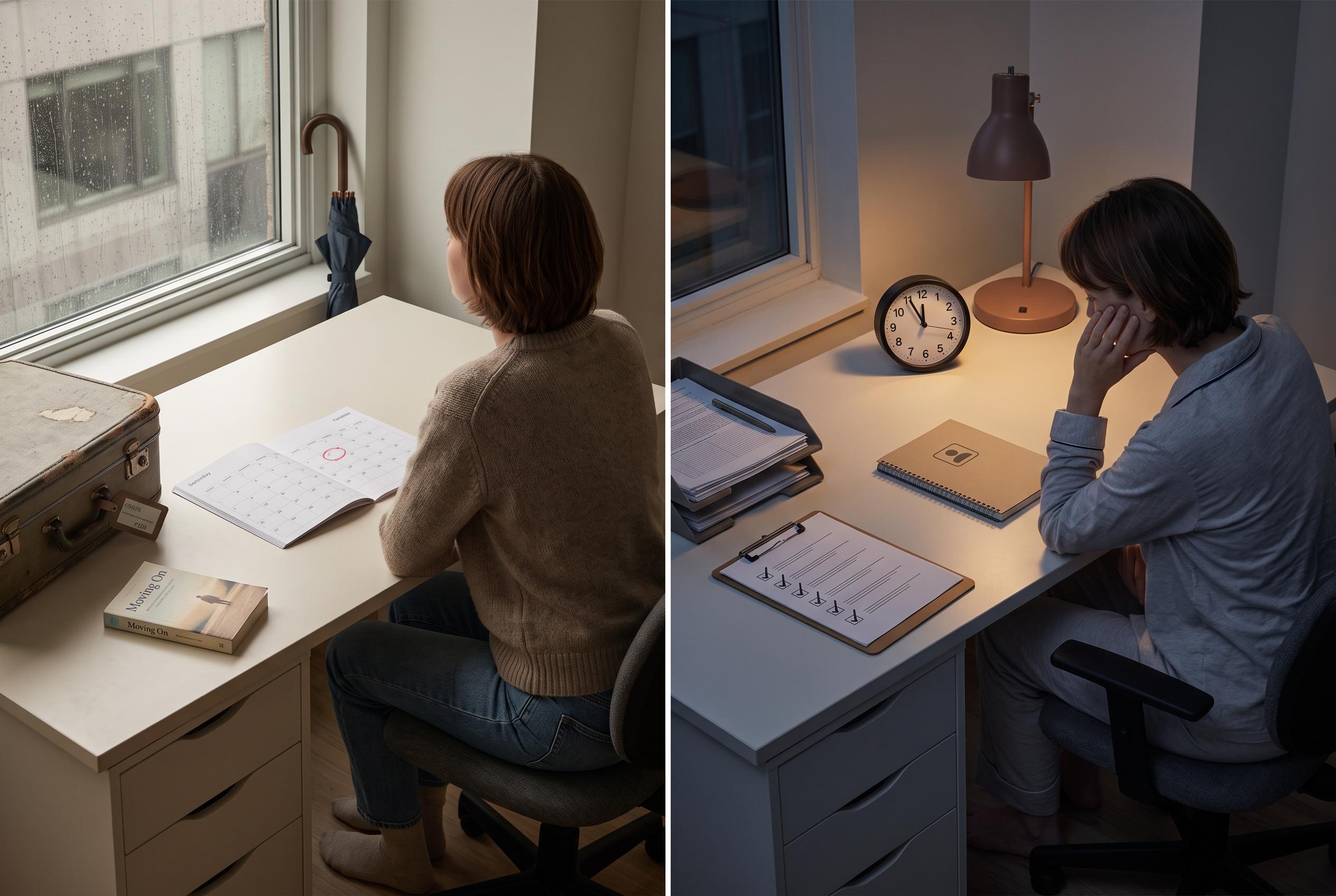

Distinguishing between situational and clinical depression is crucial for effective support, as they differ in causes, symptoms, duration, and treatment approaches. Recognising these differences can lead to better personalised care and outcomes.
Situational depression and clinical depression can look similar on the surface, but the distinction matters because the cause, course and treatment are not the same. Both can involve low mood, sleep disturbance, changes in appetite and a tendency to withdraw from other people, yet the underlying picture may point to either a stress response or a more enduring depressive disorder. Getting that difference right can shape the kind of help a person receives.
According to SACAP’s explainer, situational depression is linked to a specific life event or major change, such as bereavement, redundancy, divorce, serious illness, a move or conflict at home or at work. Healthline and Cleveland Clinic both note that this form of depression, often called adjustment disorder with depressed mood, usually appears within about 3 months of the trigger and commonly improves within 6 months as the person adapts or finds a way through the disruption.
Clinical depression, by contrast, is usually understood as major depressive disorder. Medical News Today explains that it is typically more persistent and can arise from a mix of genetic, psychological and environmental factors rather than a single event. The symptoms must last at least 2 weeks for diagnosis, and the condition may continue for months or years without treatment. Because it is generally more severe, it often needs a more structured clinical response.
Treatment also differs in emphasis. Situational depression may ease with counselling, practical support, time and self-care, while clinical depression more often requires psychotherapy, medication or a combination of the two. WebMD and Cleveland Clinic both stress that recognising the trigger, the duration of symptoms and the impact on daily life helps clinicians decide whether they are dealing with a short-term reaction or a longer-term mood disorder.
What matters most is not the label but whether a person is functioning and getting support. If symptoms last longer than 2 weeks, worsen or interfere with work, relationships or daily tasks, SACAP advises seeking help from a qualified mental health professional. In either case, early support can make it easier to manage symptoms and reach the right form of care.
Disclaimer: This content is for informational purposes only and is not intended to be a substitute for professional medical judgment, advice, diagnosis, or treatment.