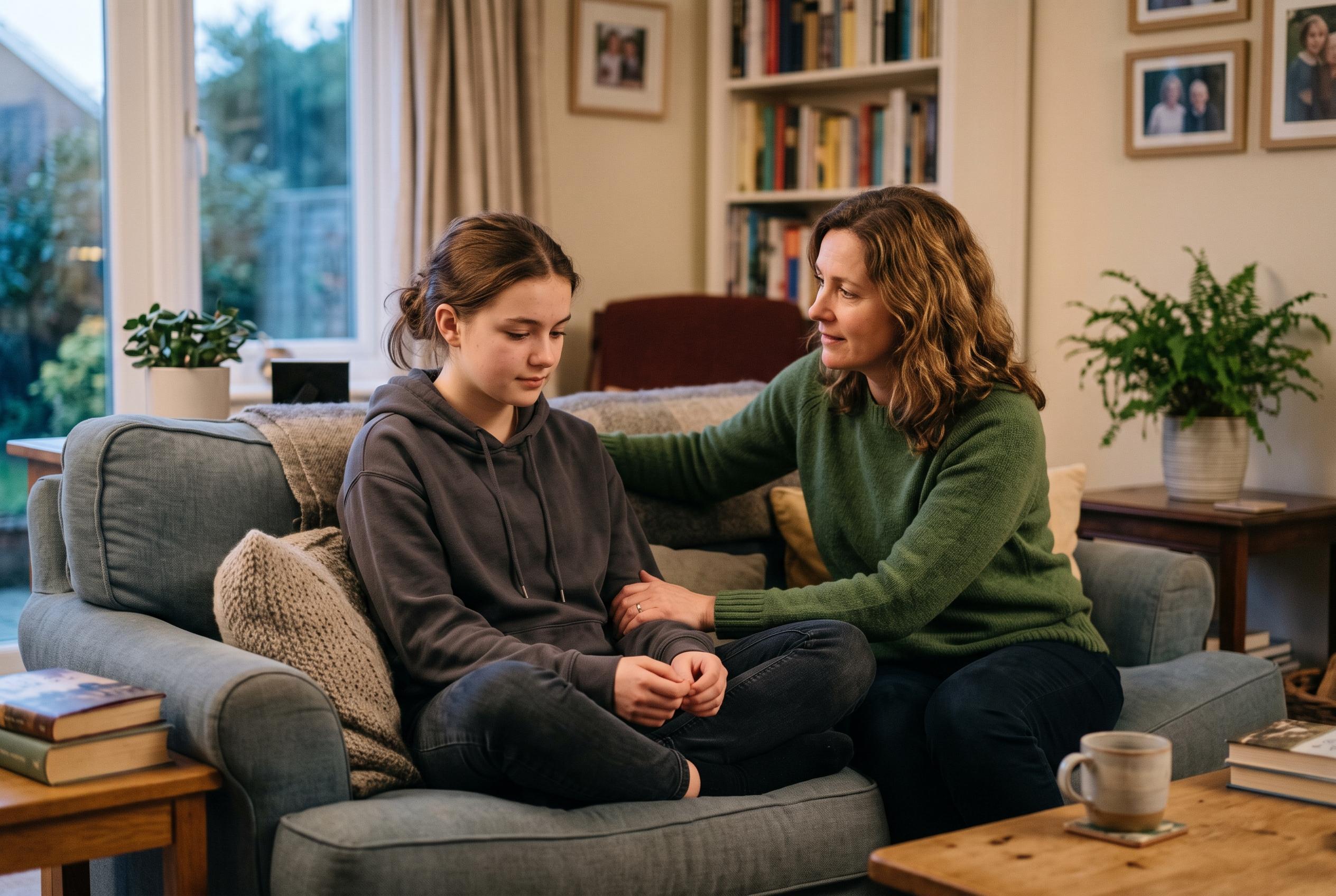

Experts highlight how adolescents’ struggles with physical changes and social adaptation can lead to withdrawal, emphasising the need for understanding and reassurance from families to prevent loneliness and mental health issues.
Adolescence often brings embarrassment, confusion and a strong urge to pull back from others, according to Dr Ahmed El-Sayed, a faculty member in the Department of Mental Health and Psychological Counselling at Ain Shams University. Speaking on the CBC programme “El Setat Ma Yaarfoush Yekdibou”, he said teenagers may struggle to understand the physical changes they are going through, especially if families have not prepared them for what those changes mean.
El-Sayed said parents should not respond to a teenager’s discomfort with criticism or blame, but with explanation and reassurance. In his view, a young person who is repeatedly corrected or judged may start avoiding social occasions and family visits simply to escape more remarks and instructions. That, he suggested, can make home feel like the safest place for a teenager to retreat to, even if it leaves them more isolated.
His comments fit a broader body of research showing that adolescence can be a period of heightened social vulnerability. A study published by ScienceDirect in 2013 noted that physical maturation, identity exploration, growing independence and changing peer relationships can all increase the risk of perceived isolation. More recently, Psychology Today reported that chronic loneliness in adolescence can raise the risk of depression, anxiety and suicidal thoughts, while also making some young people more likely to withdraw further from social life.
El-Sayed also drew a clear line between personality and distress. Some people are naturally quiet or private and prefer a small social circle, he said, and that does not mean they are unwell. But when withdrawal is driven by fear of criticism, low confidence or emotional strain, it can signal a problem that needs support. Research published in ScienceDirect has also found that help-seeking from informal sources and social support can improve adolescent psychosocial outcomes, reinforcing the value of a family environment that listens first and lectures later.
Disclaimer: This content is for informational purposes only and is not intended to be a substitute for professional medical judgment, advice, diagnosis, or treatment.