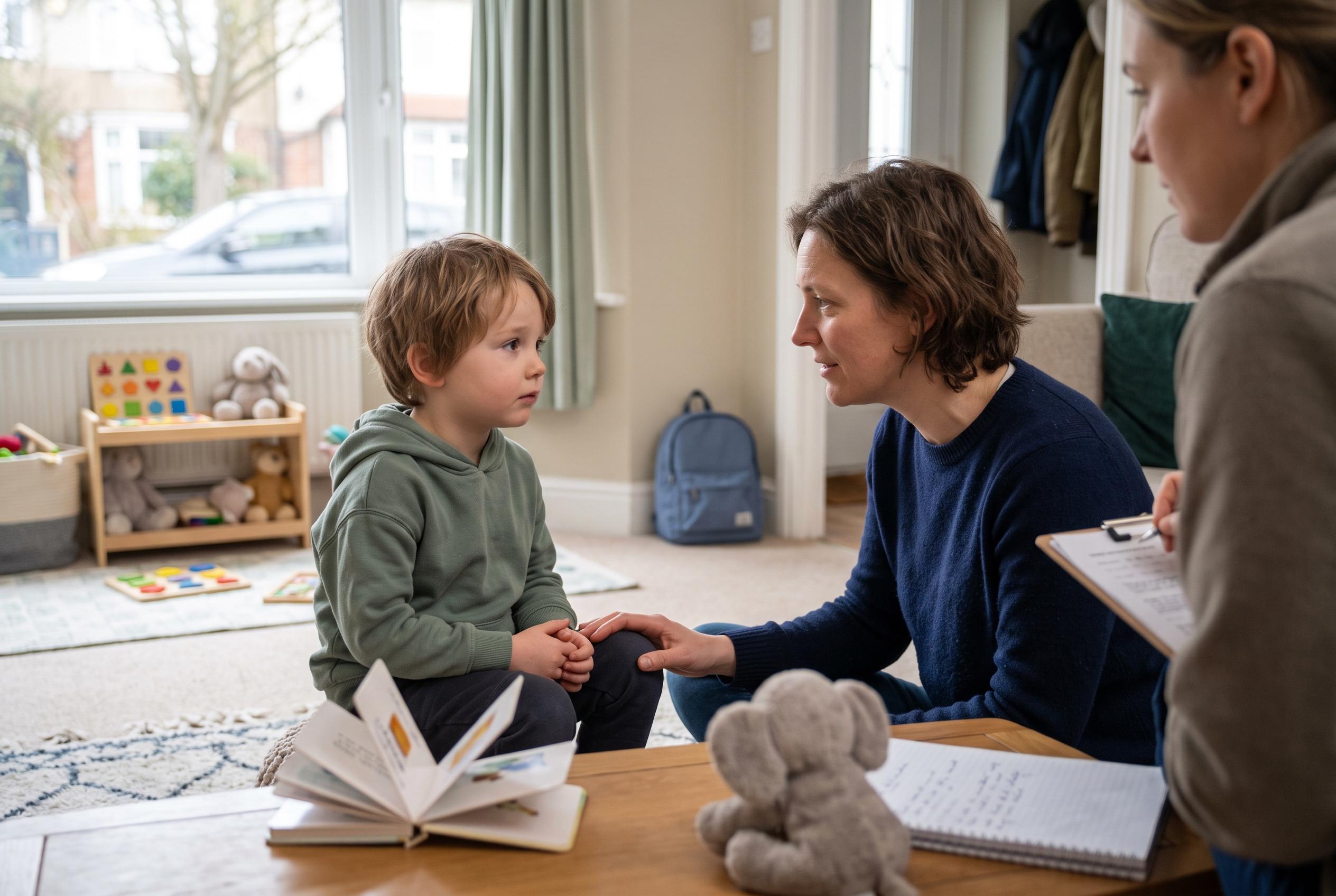

A UK-led initiative has pinpointed the top research questions to improve social and emotional wellbeing in young children, highlighting urgent needs in trauma support, early diagnosis, and culturally tailored services amid funding gaps.
Researchers in the United Kingdom have set out a top 10 list of questions they say must be answered to improve the social and emotional wellbeing of babies and young children, as health visitors warn that current support is built on a thin evidence base. The priorities were drawn up through a priority-setting partnership led by the Institute of Health Visiting and the Supporting Early Minds Research Network at the University of Oxford, with families and carers helping to shape the agenda.
The exercise is part of the Developing Child UK Priority Setting Partnership, a collaboration with the James Lind Alliance that brings together parents, carers and professionals to decide which research would most help babies, toddlers and pre-school children. The approach is intended to make sure future studies reflect the concerns of families as well as practitioners, while steering researchers and funders towards questions with the greatest practical value.
Among the issues judged most urgent are how best to support infants who have experienced trauma, how to help fathers build healthy relationships with their children, and which approaches work best for families from different ethnic backgrounds. The list also highlights the need to identify neurodivergence earlier in babies and pre-school children, improve well-baby clinics and find better ways to support parents and children who are waiting for specialist child mental health care.
The researchers say the priorities point to a wider funding problem. The Royal College of Paediatrics and Child Health has said child health research receives only 5% of total funding, even though children account for more than 20% of the population. Against that backdrop, the Oxford and health visiting team say their work is meant to strengthen infant mental health and early years research capacity in the UK and to send a clear message to major funders that this area needs greater investment.
Professor Jane Barlow and registered health visitor Dr Michael Fanner, who are leading the project, said the list offers both breadth and detail for future studies and could help shape services for young children and their families. They said focusing on the questions that matter most to families and professionals would help build a stronger evidence base and make it more likely that policy and practice are guided by research with the greatest potential to improve outcomes.
Disclaimer: This content is for informational purposes only and is not intended to be a substitute for professional medical judgment, advice, diagnosis, or treatment.