
Experts advise parents to see setbacks in school as opportunities to build resilience, confidence, and practical life skills, focusing on calm support and ongoing reflection rather than quick fixes.
School struggles do not always signal failure. For many children, a poor test result, a missed deadline or a difficult project can become a rehearsal for adulthood, teaching persistence, self-control and adaptability. The Good Men Project argues that the point is not to shield children from every setback, but to help them turn classroom friction into something useful: confidence, resilience and better judgement.
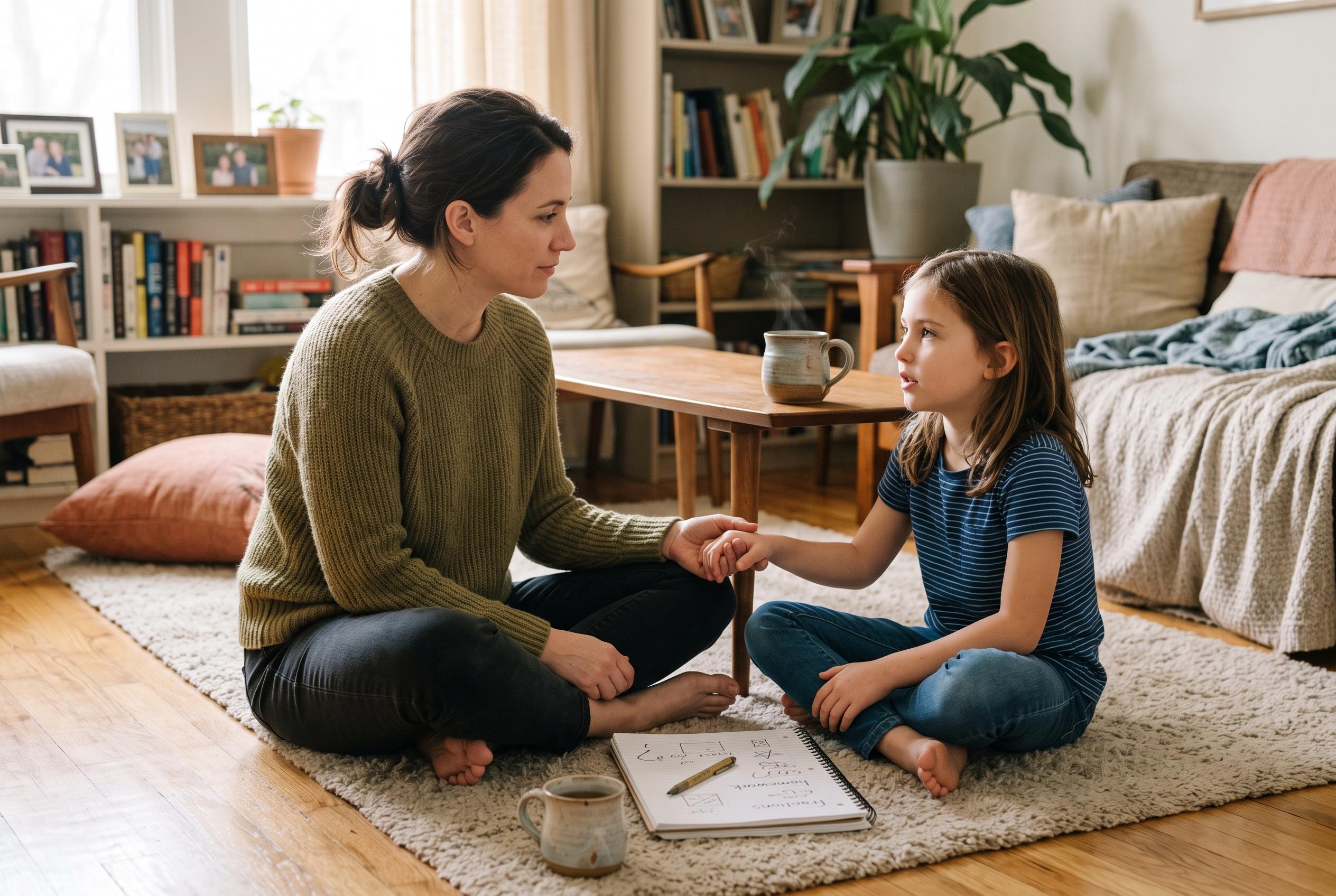
That starts with the way parents respond. Psychology Today says one of the most helpful moves is to slow the moment down rather than rush to fix it, because children who are shutting down often need calm curiosity more than correction. Simple phrases such as “Let’s slow down and figure this out” can open the door to conversation, especially when a child feels overwhelmed or discouraged.
It also helps to look beyond the behaviour itself. GreatSchools notes that resistance to school is rarely just stubbornness; it often reflects a deeper issue, such as learning differences, attention problems or strained communication at home. In one family story highlighted by the site, a mother helped her children move from academic struggle to progress by addressing those challenges directly and consistently rather than treating them as acts of defiance.
The Good Men Project offers a similar message, encouraging parents to treat mistakes as opportunities for reflection rather than embarrassment. Asking what went wrong, what could be done differently and how the experience connects to everyday life can help children understand that school is not separate from the real world. Maths becomes budgeting, writing becomes clear communication and planning becomes a habit that carries into future work and relationships.
Experts also say children benefit when adults reward effort as much as results. Psychology Today and GreatSchools both emphasise collaborative problem-solving, validation and steady support over quick fixes. Letting children take age-appropriate responsibility, whether that means managing homework, organising a project or resolving a small disagreement, helps them practise independence. Over time, those habits can turn ordinary school difficulties into durable life skills.
Disclaimer: This content is for informational purposes only and is not intended to be a substitute for professional medical judgment, advice, diagnosis, or treatment.