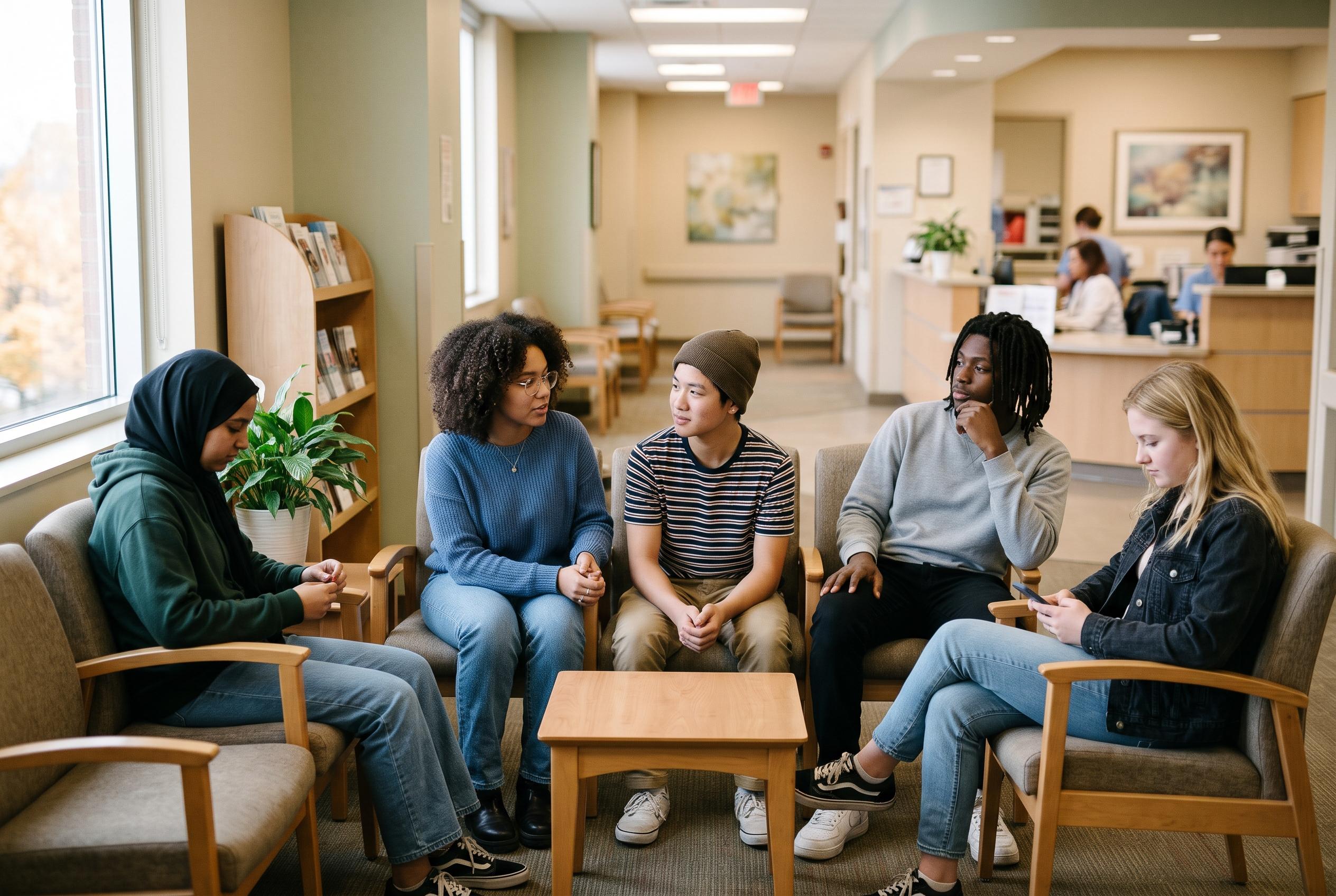

A study of 286 adolescents with depression and suicidal ideation finds distinct resilience patterns, highlighting the need for more tailored support and assessment.
Adolescents hospitalised with depression and suicidal thoughts do not form a single psychological group, according to a new study in Social and Behavioural Medicine. Instead, researchers found three distinct resilience patterns, suggesting that young people facing similar crises may need different forms of support rather than a one-size-fits-all approach.
The study examined 286 inpatients diagnosed with depressive disorders and suicidal ideation. Using the Adolescent Resilience Scale and a statistical method called latent profile analysis, the team identified a low-resilience, vulnerable group accounting for 22.0% of participants; a much larger moderate-resilience group with a cognitive advantage, making up 66.8%; and a high-resilience, tenacious group, which represented 11.2%. The authors said this spread underscores substantial variation in how adolescents cope with severe emotional distress.
Social support and coping style emerged as the most consistent factors linked to which resilience profile an adolescent belonged to. In both comparison models, the researchers found that social support, problem-focused coping and emotion-focused coping were selected as important variables, with relatively strong stability across bootstrap testing. Neglectful parenting appeared only in the comparison between the low-resilience and high-resilience groups, and its association was less stable, suggesting it may matter but is not as reliably tied to resilience profile membership as support and coping are.
The findings fit with earlier research showing that resilience is closely connected to suicide risk in teenagers. A separate study indexed by PubMed found that psychological resilience mediated the effect of parental overprotection on suicidal risk and also explained part of the link between emotional warmth and both suicidal ideation and suicidal risk. Other adolescent studies have similarly linked coping and support to mental health outcomes, while work on suicidal ideation has found that young people with weaker resilience tend to fare worse. The new paper’s authors cautioned that their results are cross-sectional, meaning they cannot show cause and effect, but they argue the profile-based approach could help clinicians tailor assessments and support more precisely.
Disclaimer: This content is for informational purposes only and is not intended to be a substitute for professional medical judgment, advice, diagnosis, or treatment.