

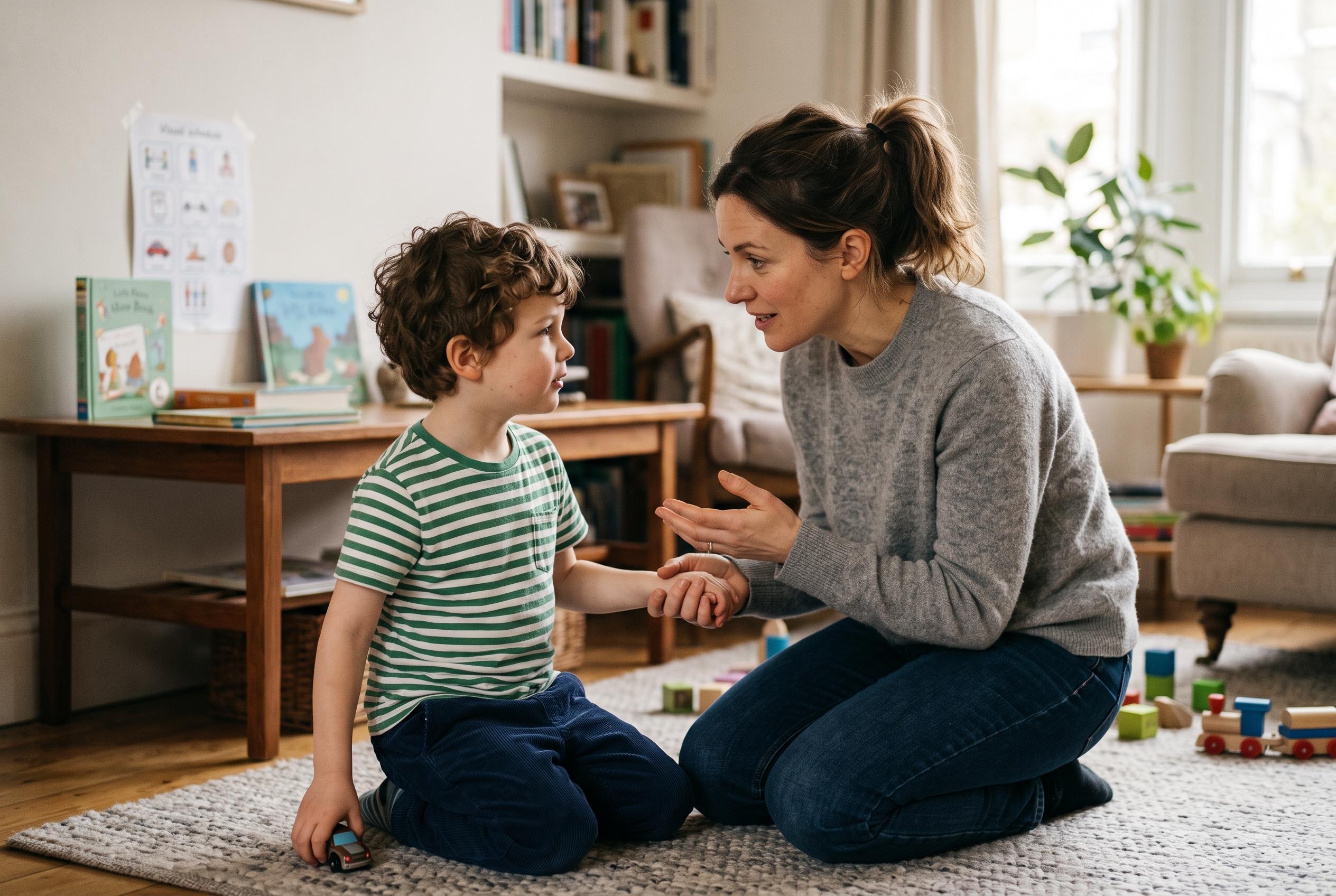

A child psychologist shares practical ways to reduce conflict, from giving one instruction at a time to using visual routines, immediate rewards and movement breaks.
Parenting a child with ADHD can feel like a cycle of reminders, delays and frustration, with daily life often shaped by the same sticking points: getting out of the door, starting homework, settling for bed and managing sudden emotional shifts. Dr Lucy Russell, a child clinical psychologist who runs Everlief Child Psychology, says the biggest gains usually come from small, consistent changes rather than sweeping overhauls. Her advice is to focus on a few practical habits that reduce pressure on both child and parent, then build from there.
One of the simplest changes is also one of the most effective: give one instruction at a time. Russell recommends making requests short, clear and calm, then pausing so the child has time to process them. That approach fits with wider guidance from Healthline and Psychology Today, which both stress the value of clear rules, manageable steps and an authoritative style that is warm but firm. For many children with ADHD, multi-step requests are simply too much to hold in mind at once, so breaking tasks down can reduce conflict before it starts.
Routine also matters, but not in an abstract sense. Russell advises families to make the day visible through checklists, schedules and advance warnings before transitions. A predictable morning and evening pattern can make it easier for children to know what is coming next, and Healthline, Simply Psychology and other parenting resources make the same point about structure, time cues and checklists. The aim is not rigidity, but dependable scaffolding: a way of reducing uncertainty in moments when a child may struggle to organise themselves.
Rewards work best when they arrive quickly. Russell argues that delayed pay-offs often feel too far away for children with ADHD, so praise and incentives should be immediate, specific and tied to the behaviour you want to see again. That view aligns with the Centre for Disease Control and Prevention, which says behaviour therapy can improve self-control and self-esteem, and with the American Academy of Paediatrics, which describes reward-based parenting as one of the core tools in behaviour therapy. In practice, that can mean recognising a child within seconds of success: “You put your shoes on first time, brilliant!” rather than waiting until the end of the day.
Movement and interest can also be part of the solution. Russell recommends regular physical activity and short breaks, especially when a child is facing tasks that are repetitive or boring. Many children with ADHD can focus intensely on subjects they love, yet struggle to begin work they find tedious, so homework may need to be split into smaller chunks with movement in between. That is consistent with broader advice from Healthline and Psychology Today, which both note that exercise, reduced distractions and practical pacing can make concentration easier.
School remains a crucial part of the picture. Russell encourages parents to ask their child what feels hardest, then work with teachers on reasonable adjustments such as clear instructions, visual prompts and movement breaks. Psychology Today highlights the importance of parents advocating for their child’s needs in education, while the American Academy of Paediatrics says parents benefit from learning strategies that transfer from home to school. Russell’s broader message is that ADHD support works best when it is joined up: what helps at home should be reflected in the classroom where possible, and reviewed regularly as the child grows.
She also stresses that there is no single template that fits every child. ADHD symptoms can look different from one child to another, which means families need to notice what triggers problems, what calms things and what makes life harder. Russell’s own online action plan is built around that principle, offering parents a way to match strategies to the moment, whether the immediate issue is morning chaos, homework resistance, sleep or screen time. Her view is that progress should be measured against the child’s own starting point, not against siblings, classmates or other families. Parents, she adds, do best when they look after their own wellbeing too, because calmer adults are better able to help children regulate big feelings and build confidence over time.
Disclaimer: This content is for informational purposes only and is not intended to be a substitute for professional medical judgment, advice, diagnosis, or treatment.



