

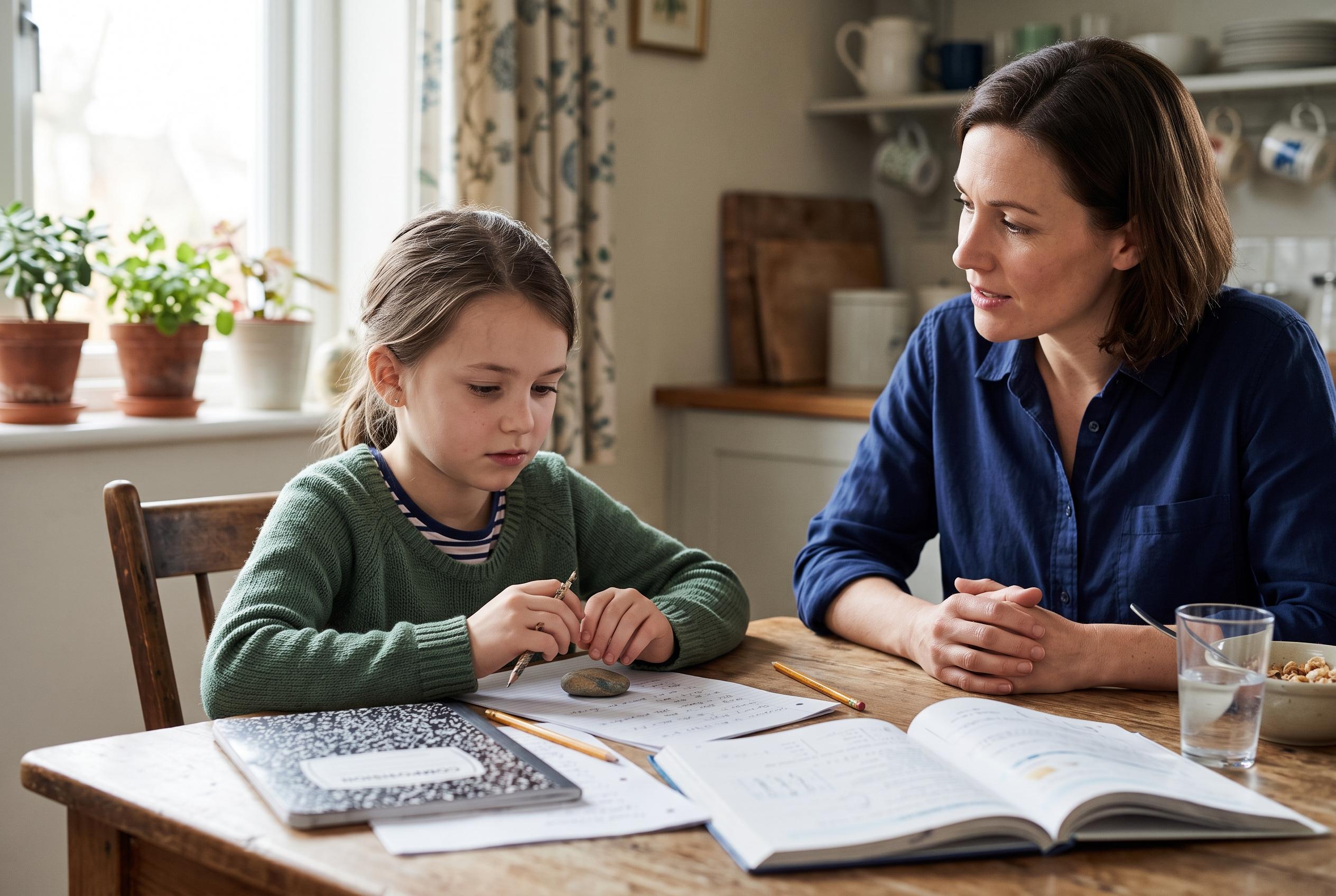

Sudden mood changes, clinginess, repetitive habits and unexplained physical complaints may signal that a child is struggling with school-related stress.
Parents should watch for abrupt changes in a child’s mood or habits, as these can be early signs that school is becoming a source of stress, psychologist Sofya Pimenova told KP.RU. She said a child who was once calm may suddenly become restless or overly energetic, while a sociable, cheerful child may grow withdrawn, sluggish or uninterested in what is going on around them.
Pimenova also pointed to a stronger need for closeness from younger children, including a persistent wish to stay near a parent or to be carried. In some cases, she said, repetitive habits such as nail-biting or winding hair around a finger can also signal that a child is struggling and may need psychological support. The MSD Manual says such coping behaviours can emerge as children try to manage stress, while Penn State PRO Wellness notes that nail-biting, irritability and restlessness may appear alongside anxiety in school-age children.
Repeated physical complaints can be another clue. Pimenova said a child who asks to use the toilet every day just before leaving for school or nursery should not automatically be dismissed as avoiding the day ahead. Children’s health guides from the Association for Children’s Mental Health and Carondelet Health Network similarly list unexplained stomachaches, headaches, withdrawal and a sudden fall in school performance among warning signs that a child may be under strain.
Rather than panicking, parents should pay close attention to patterns and avoid stacking major changes on top of one another whenever possible, Pimenova advised. She said it is better to separate significant life transitions by at least a few months if circumstances allow. That advice fits broader child-health guidance, which stresses that emotional, physical and social pressures often overlap, and that persistent changes in behaviour are worth taking seriously.
Disclaimer: This content is for informational purposes only and is not intended to be a substitute for professional medical judgment, advice, diagnosis, or treatment.



