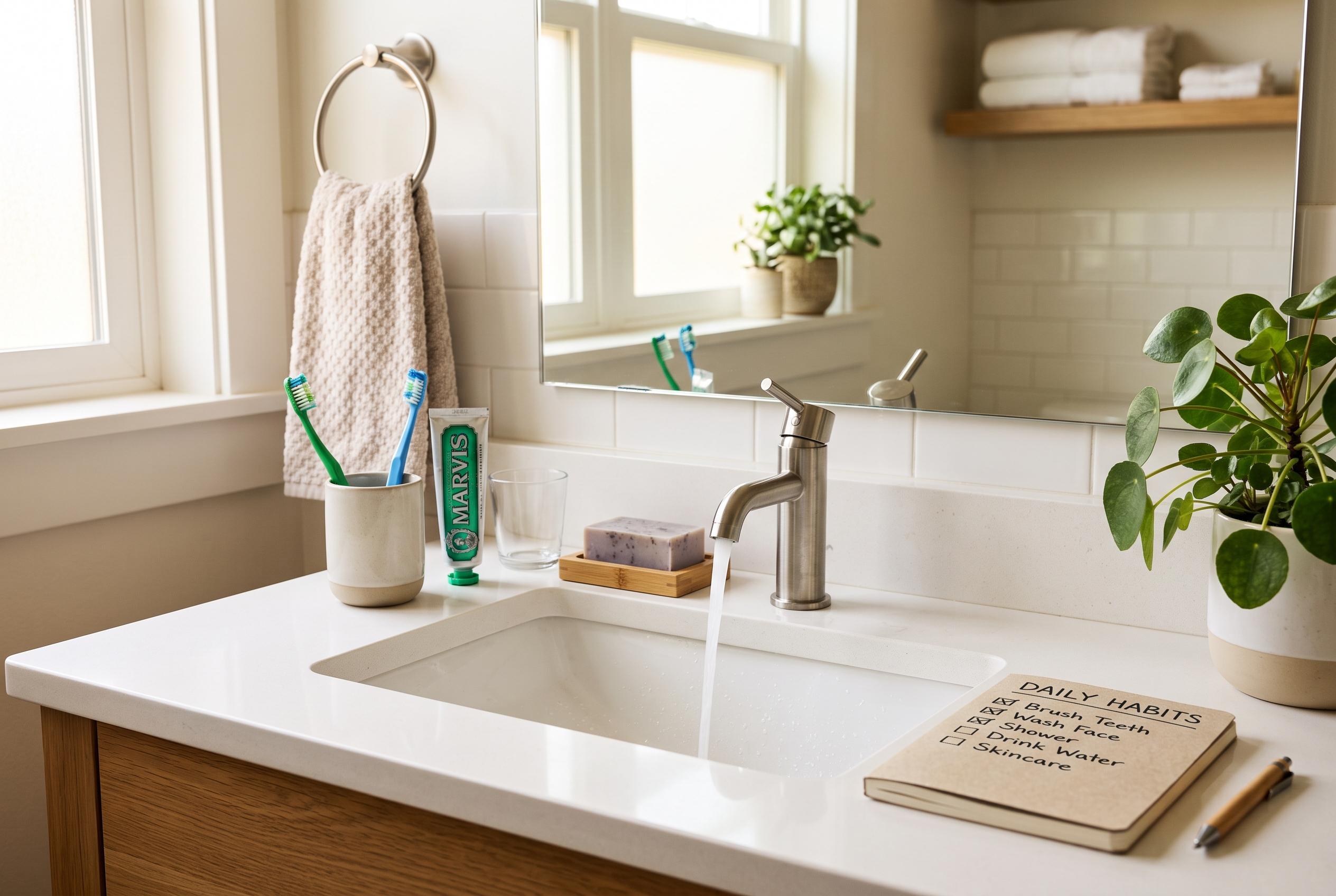

A comprehensive international study suggests that good basic hygiene, such as toothbrushing and handwashing, may be associated with reduced mental health issues among teenagers, highlighting the importance of routine self-care in adolescent wellbeing.
A large cross-country study has found that teenagers who report better basic hygiene habits are also less likely to report several mental health problems, including suicidal thoughts, bullying, loneliness, sleep disruption linked to worry and having no close friends.
Researchers analysed survey data from more than 153,000 adolescents aged 12 to 17 in 51 countries, using school-based questionnaires collected between 2013 and 2019. They looked at toothbrushing and handwashing habits, then compared those with self-reported mental health indicators. Better hygiene was associated with lower odds of every mental health outcome studied, and the pattern held for both boys and girls.
Girls generally reported stronger hygiene habits than boys, and they also reported higher levels of some mental health difficulties, including suicidal thoughts, loneliness and worry-related sleep problems. The study did not prove that hygiene directly improves mental health, but it did suggest a strong link that persisted after accounting for age, body mass index, alcohol use, tobacco use, physical activity, sedentary time and country-level development measures.
The associations were especially notable when the researchers split countries by universal health coverage. In places with stronger health systems, the protective pattern between hygiene and mental health was often clearer, suggesting that access to services and school-based support may strengthen the effect of routine health behaviours.
The findings fit with wider public health advice that childhood and adolescence are critical periods for mental health, and that early support matters. The National Institute of Mental Health says mental health is a core part of overall health and that early treatment can help prevent longer-term problems. The Centers for Disease Control and Prevention also stresses that children’s well-being is shaped by the relationships and environments around them, while the World Health Organisation has said adolescence is a key stage for brain and emotional development.
For parents and caregivers, the study offers a practical reminder: everyday routines such as brushing teeth and washing hands may do more than reduce infections. They can also be part of a broader picture of self-care, confidence and stability. Still, because the research was cross-sectional, it cannot show cause and effect. Poor mental health could also make hygiene harder to maintain.
Disclaimer: This content is for informational purposes only and is not intended to be a substitute for professional medical judgment, advice, diagnosis, or treatment.