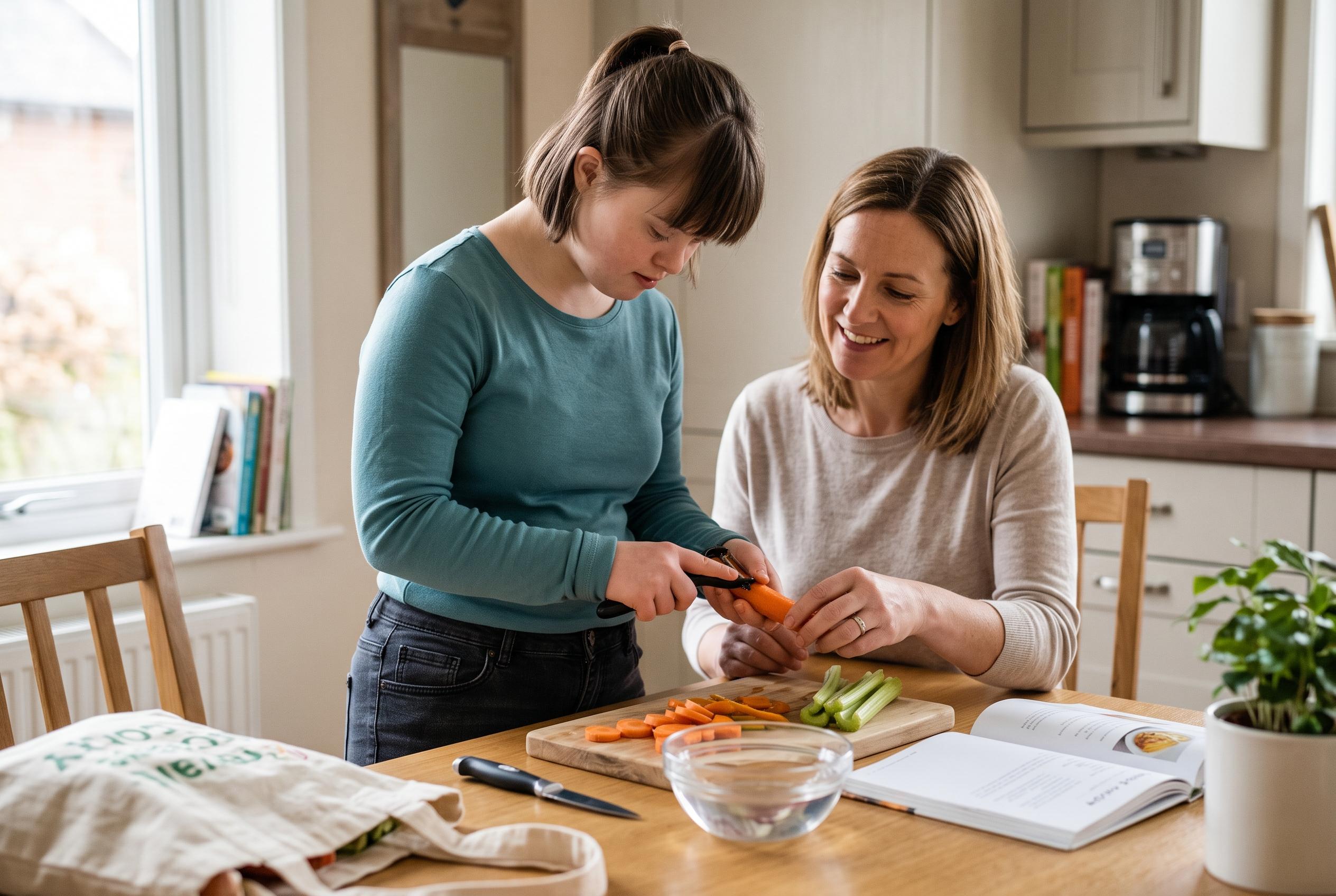

As teenagers with special educational needs transition into adulthood, personalised and gradual approaches focusing on practical life skills are proving essential for fostering independence and self-confidence.
As adolescents with special educational needs enter their teenage years, the focus shifts beyond schoolwork to the practical skills that shape adult life. VIVA says parents are increasingly urged to think about self-care, communication, social interaction, simple decision-making and work-related abilities, rather than treating independence as a single all-or-nothing goal. The central idea is gradual progress: young people should be given chances to do what they can, with support scaled back only where it is genuinely needed.
That approach works best when expectations are tailored to the individual, rather than set to a standard that every teenager must meet. According to guidance from education and parenting resources, consistency, patience and clear routines matter as much as the skill being taught. Simple visual aids, predictable daily structures and positive reinforcement can help teenagers understand what is expected of them and build confidence through repetition. Practical support at home can also include short, regular practice sessions for everyday tasks, from dressing to preparing snacks.
One important step is to start with ordinary household routines. Teenagers can be encouraged to make their beds, choose clothes, tidy their rooms, wash dishes or help prepare basic meals. If a task proves difficult, experts recommend allowing the young person to try first and stepping in only where assistance is necessary. Related guidance also highlights the value of teaching self-care milestones such as toilet skills, because these daily habits form the basis of broader independence.
The same principle applies to learning and future planning. The director of London School Beyond Academy, Associate Professor Dr Chrisdina, said in the opening of the Bekasi campus that teaching should be matched to each participant’s abilities, with practical lessons designed to strengthen communication, social skills, discipline, responsibility and self-confidence. Other education resources say that when teenagers are included in simple choices at home and school, they are more likely to develop self-determination , the ability to make decisions, exercise control and take ownership of their lives.
Disclaimer: This content is for informational purposes only and is not intended to be a substitute for professional medical judgment, advice, diagnosis, or treatment.