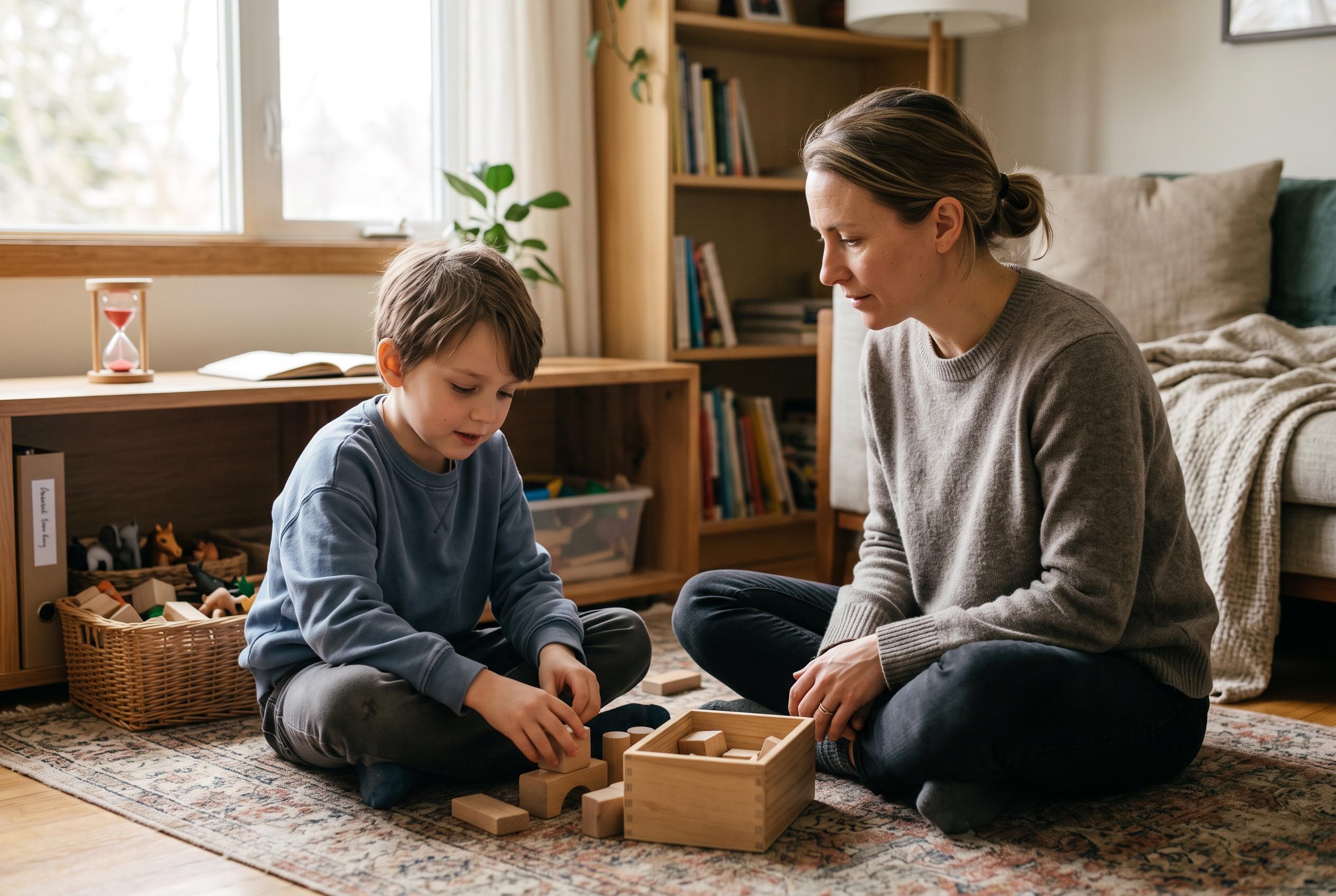

Paediatricians are now encouraged to guide parents in daily routines and behavioural strategies to better support children with ADHD, amid rising diagnosis rates and diverse treatment approaches.
Paediatricians are being asked to do more than prescribe for attention-deficit/hyperactivity disorder. They are also being urged to help parents manage the daily strain that comes with raising a child with ADHD, an issue that can affect behaviour, homework, sleep and family relationships around the clock. The article argues that simple, practical advice can ease tension at home and help children build self-control while keeping parents from becoming overwhelmed.
The scale of the condition helps explain why this matters. The Centers for Disease Control and Prevention said 11.4% of US children aged 3 to 17 had ever been diagnosed with ADHD in 2024, up from 9.8% in 2019. The agency also notes that estimates vary depending on whether they come from parent surveys, claims data or other sources, and state-to-state differences in diagnosis and treatment are substantial. That variation can leave some families uncertain about the diagnosis or wary of medication, even when clinicians judge symptoms to be clear.
Guidance from the CDC and the American Academy of Paediatrics points to a combined approach. For children under 6, behaviour therapy – especially parent training in behaviour management – is recommended first. For children aged 7 to 11 with moderate to severe symptoms, stimulants are typically added to behavioural treatment. The article says parents do best when they focus on routines, clear instructions and positive reinforcement rather than repeated criticism.
That means keeping mornings, meals and bedtime predictable; protecting sleep; building in daily exercise; and making homework spaces quieter and less distracting. It also means breaking tasks into single steps, using checklists, giving advance warnings before transitions and praising effort more often than mistakes. The piece adds that parents should consider whether they themselves may have untreated ADHD, since improving their own symptoms can make it easier to maintain structure at home and support their child more effectively.
Disclaimer: This content is for informational purposes only and is not intended to be a substitute for professional medical judgment, advice, diagnosis, or treatment.