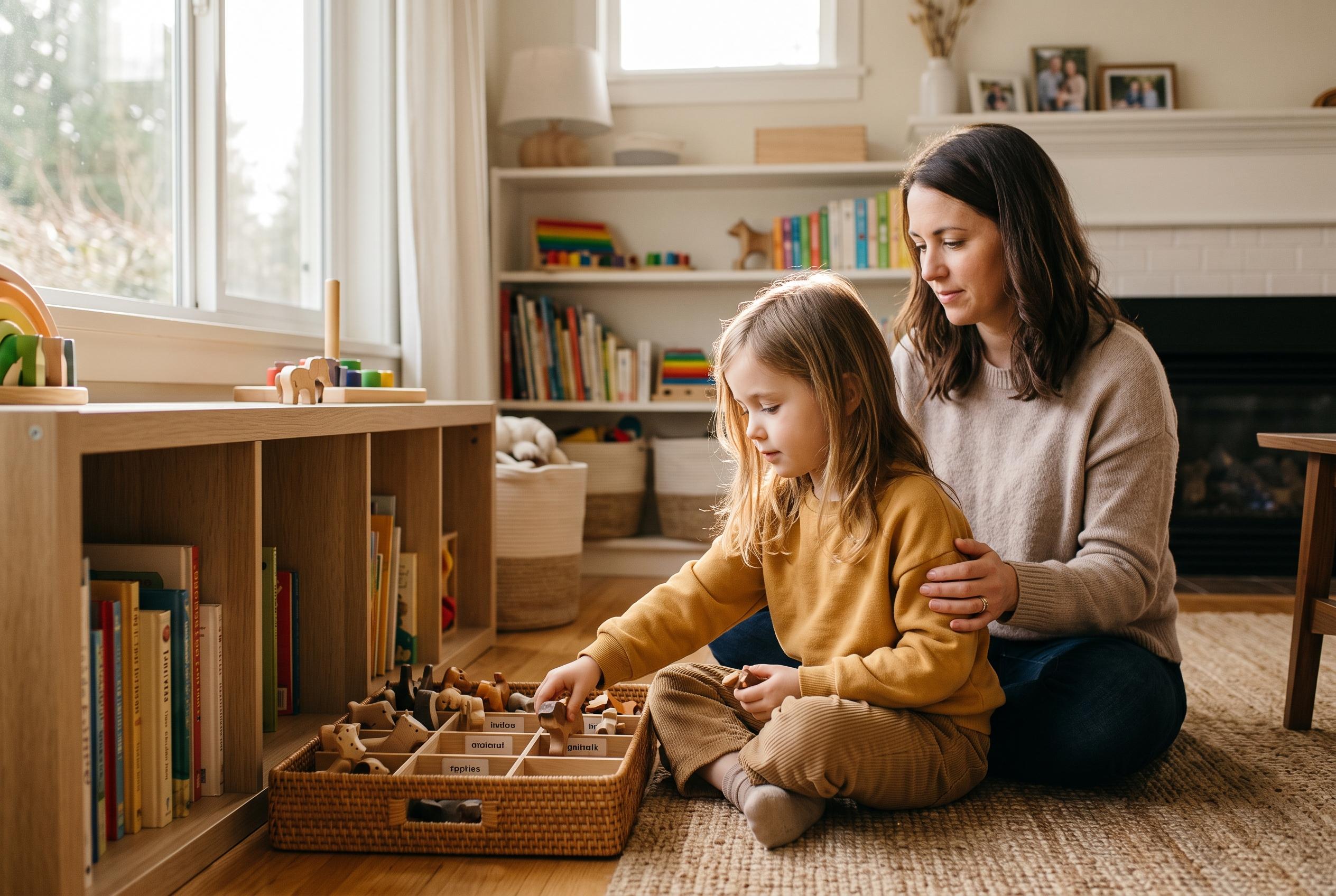

A new approach to understanding highly sensitive children emphasises responsive parenting, routine, and emotional validation, turning potential behavioural challenges into opportunities for growth and connection.
When a child is routinely described as “overdramatic”, “rigid” or “impossible”, it is easy for parents to assume defiance is the problem. But the article on Between Carpools suggests a different explanation: some children are not difficult so much as highly sensitive, meaning they take in sights, sounds, emotions and disruption more intensely than others. That sensitivity can make ordinary routines feel overwhelming, especially when adults respond with more pressure rather than more understanding.
Psychology Today says recent guidance on highly sensitive children centres on responsive parenting, emotional regulation and calmer, more predictable surroundings. That fits with the practical advice in the Between Carpools piece, which argues that children who melt down over a misplaced shirt, a noisy gathering or an unexpected change often need help making sense of the feeling first, not a lecture about behaviour.
One of the most useful starting points is language. Helping a child name feelings can reduce the sense that everything is happening all at once, while validation can show understanding without giving in. HealthyPlace and PBS both emphasise that children often cope better when their temperament is explained to them in a supportive way and when adults respond to distress with steadiness rather than alarm. In practice, that can mean saying a child looks disappointed, frustrated or overwhelmed, instead of immediately correcting the reaction.
The article also makes the case for co-regulation, a term psychologists use for an adult helping a child settle through their own calm presence. When a child is flooded, long explanations tend to fail. The better response is often fewer words, a slower voice and simple comfort. Therapy Tips and Psychology Today both point to this kind of emotional steadiness as one of the clearest ways to help sensitive children develop self-regulation over time.
Routine and predictability matter too. HealthyPlace says a calm home environment and consistent patterns can reduce stress for sensitive children, while gradual exposure to change may help them build tolerance without feeling pushed. That does not mean eliminating all challenge. It means reducing unnecessary chaos so a child has enough emotional room to handle what is unavoidable.
The article also points out that sensitivity often comes with strengths. PBS highlights the value of self-esteem, supportive relationships and meaningful interests, and the Between Carpools piece stresses that children often flourish when parents enter their world rather than simply managing their behaviour from a distance. Creativity, empathy, thoughtfulness and depth can all accompany sensitivity, and what looks like fragility in one setting may prove to be insight and care in another.
For parents, the broader message is not to lower expectations but to change the route towards them. A highly sensitive child may need more reassurance, more structure and more patience, but those supports can turn daily battles into opportunities for connection. In that sense, sensitivity is less a flaw to fix than a temperament to understand.
Disclaimer: This content is for informational purposes only and is not intended to be a substitute for professional medical judgment, advice, diagnosis, or treatment.