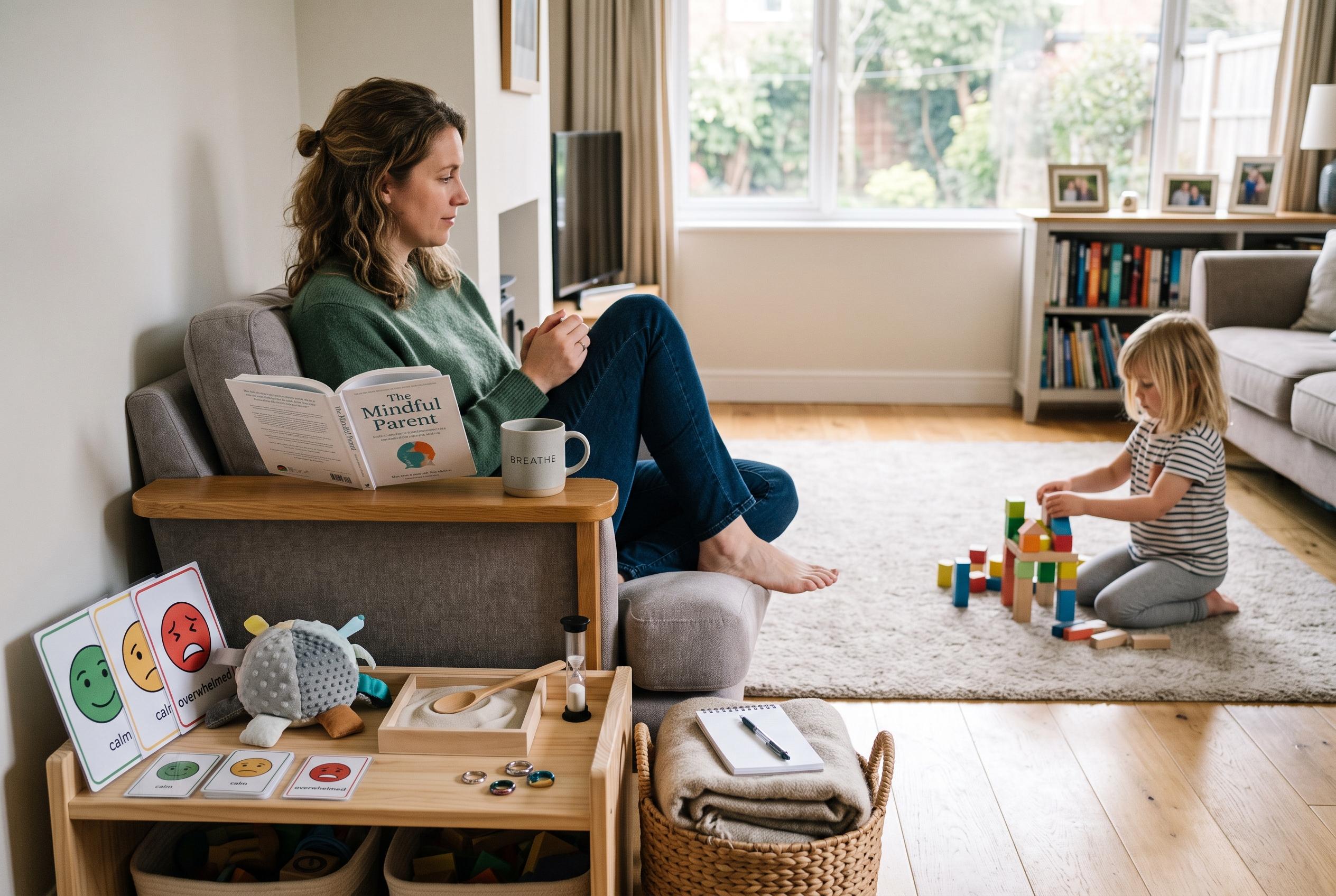

Families with highly sensitive children face ongoing challenges that require coordinated support from health and education services. Experts highlight practical steps, early intervention, and the importance of parental wellbeing to help manage intense emotions and reduce household stress.
For parents of highly sensitive children, the daily strain is often less about one crisis than the steady accumulation of them. A sharp sound, an uncomfortable label or a social slight can trigger tears, anger or withdrawal that quickly spreads through the whole household. The central message from the source material is clear: this burden should not sit entirely on one parent’s shoulders, and help exists if families know where to look.
The first step is usually the simplest one: start with a general practitioner or paediatrician, who can listen, rule out medical causes and direct the family onwards. From there, a psychologist, psychomotrician, speech therapist, occupational therapist or, where needed, a child psychiatrist may each play a different role. Valérie Fasseaux, Emma Bariller, Laurie Carrazé, Anne-Catherine Coomans, Lena Feldmann and Aurélie Corré all present work centred on emotional regulation, parental support and practical tools for children who struggle with intense feelings, reinforcing the idea that no single professional holds every answer.
What parents notice day to day matters. The article stresses the value of writing down when outbursts happen, what seems to trigger them, how long they last and what helps them settle. That kind of evidence is often more useful in a consultation than a general impression that a child is “very sensitive”. A short list of written questions, as well as a clear account of what is seen at home and at school, can make an appointment far more productive.
School is often where the pressure becomes most visible. The source material points parents towards the class teacher, the school doctor and the wider educational team when difficulties appear in lessons or on the playground. It also notes that while hypersensitivity itself is not a medical diagnosis or a recognised disability, related conditions or a substantial impact on learning and daily life may open the door to accommodations, support plans or help through the MDPH, the departmental office for disabled people.
The administrative side, however, can be slow. The article warns that assessments and applications may take weeks or months, and that families should not wait until they are already at breaking point before starting the process. It also underlines that entitlements and amounts can change, so parents should check the current rules with the relevant body rather than rely on old information. The same sense of urgency applies to parental exhaustion, which can creep in through irritability, poor sleep, shrinking social lives and a constant feeling of being on duty.
Support for parents is presented as just as important as support for the child. The article points to social centres, family associations, listening services, respite options and peer groups as underused but valuable resources. It also argues that asking for help early is a mark of responsibility, not failure, and that even a small break can help a parent remain calmer and more effective. The summaries from several practitioners echo that approach: they focus not only on children’s emotional regulation but also on restoring confidence and breathing space for adults.
In the long run, the practical aim is not to eliminate emotion but to make it easier to live with. The training described in the article offers short online lessons designed to help parents recognise triggers, respond more calmly and give children a shared language for what they are feeling. That sits alongside the wider message of the piece: when emotions are intense, families cope best when they stop trying to manage everything alone.
Disclaimer: This content is for informational purposes only and is not intended to be a substitute for professional medical judgment, advice, diagnosis, or treatment.