

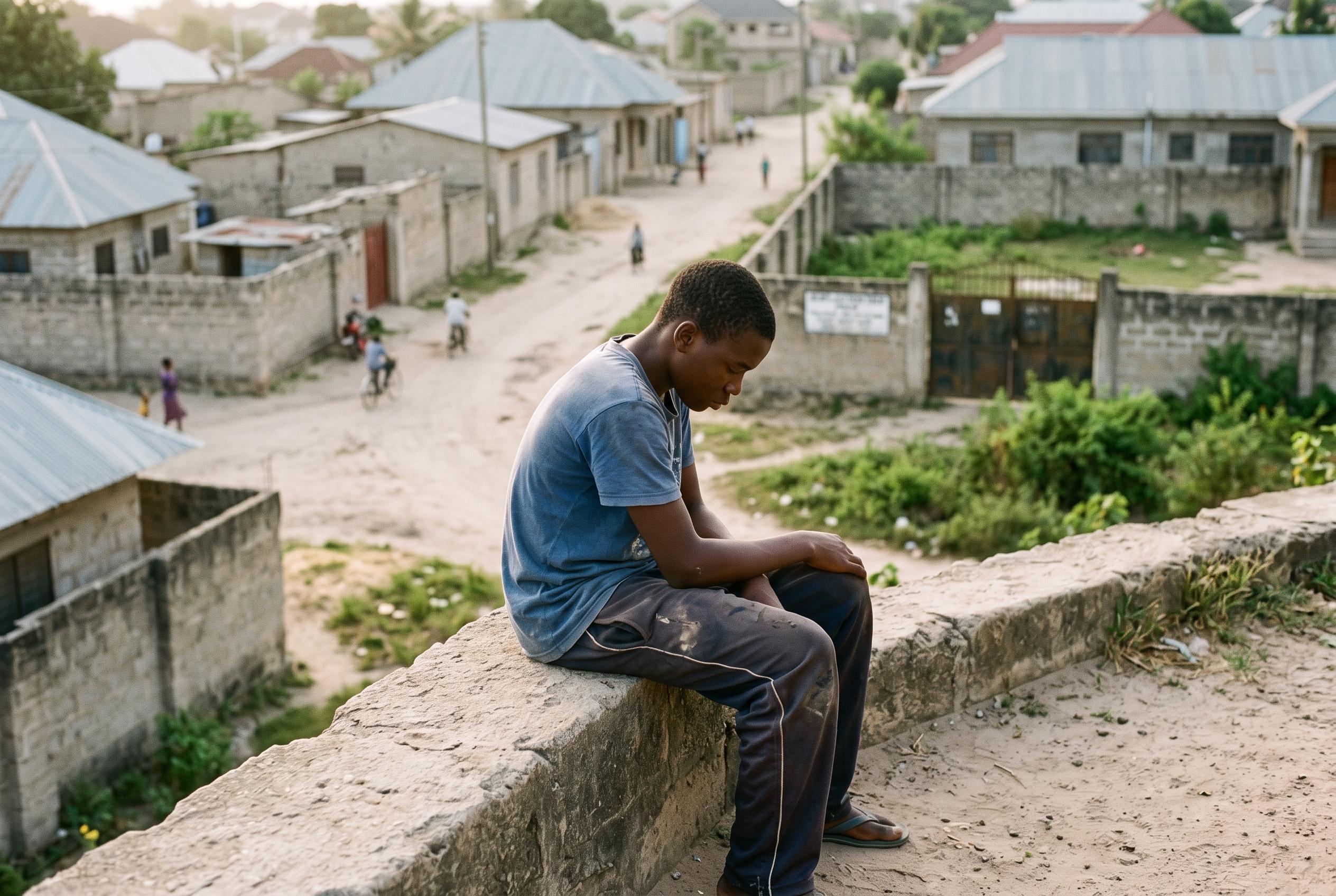

Stress has become a key factor in rising suicide rates among Tanzanian youth aged 15 to 29, prompting calls for earlier intervention, legal review, and broader community support.
Stress is emerging as a significant driver of suicide among young people in Tanzania, with those aged 15 to 29 recording the highest rates, according to the National Mental Health Institute. Acting executive director Innocent Mwombeki said young men are particularly affected, with five deaths by suicide per 100,000 men in that age group each year.
Speaking in Dodoma during events marking World Suicide Prevention Day on Thursday, 10 September 2026, Mwombeki linked the crisis to emotional strain, financial pressure and the reluctance many young people feel about discussing personal problems. He said some young men are under pressure to succeed quickly and may enter relationships before they have the income to support the responsibilities that come with them.
Mwombeki urged a wider effort to identify distress earlier and expand access to support so that people can seek help before reaching a crisis point. He also called for a review of laws that criminalise suicide, arguing that those with suicidal thoughts should be encouraged to look for assistance rather than fear punishment.
Other officials at the event echoed that call for more open support at home and in the community. Dodoma District Commissioner’s Office administrative officer Neema Rajabu urged young people to be patient in pursuing their goals and to turn to trusted individuals or institutions when facing money, social or other pressures. Mwinyikondo Amir, assistant director for rehabilitation, palliative care and elderly services in the Ministry of Health, said parents and guardians should make time to talk with children, while religious leaders should help communities understand the dangers of suicide and the importance of supporting people in distress.
The warning comes amid broader concern about youth mental health in Tanzania. The Citizen has previously reported that social media use, economic hardship, relationship problems, academic stress and climate-related pressures are adding to the burden on young people. Separate reporting has also pointed to weak school counselling systems, while a qualitative study in Moshi Urban found that stigma, limited services and a shortage of trained professionals continue to discourage adolescents from seeking help. AHADI Mental Health, meanwhile, has launched a hybrid support model combining online tools, helplines and community outreach in an effort to close some of those gaps.
Disclaimer: This content is for informational purposes only and is not intended to be a substitute for professional medical judgment, advice, diagnosis, or treatment.



