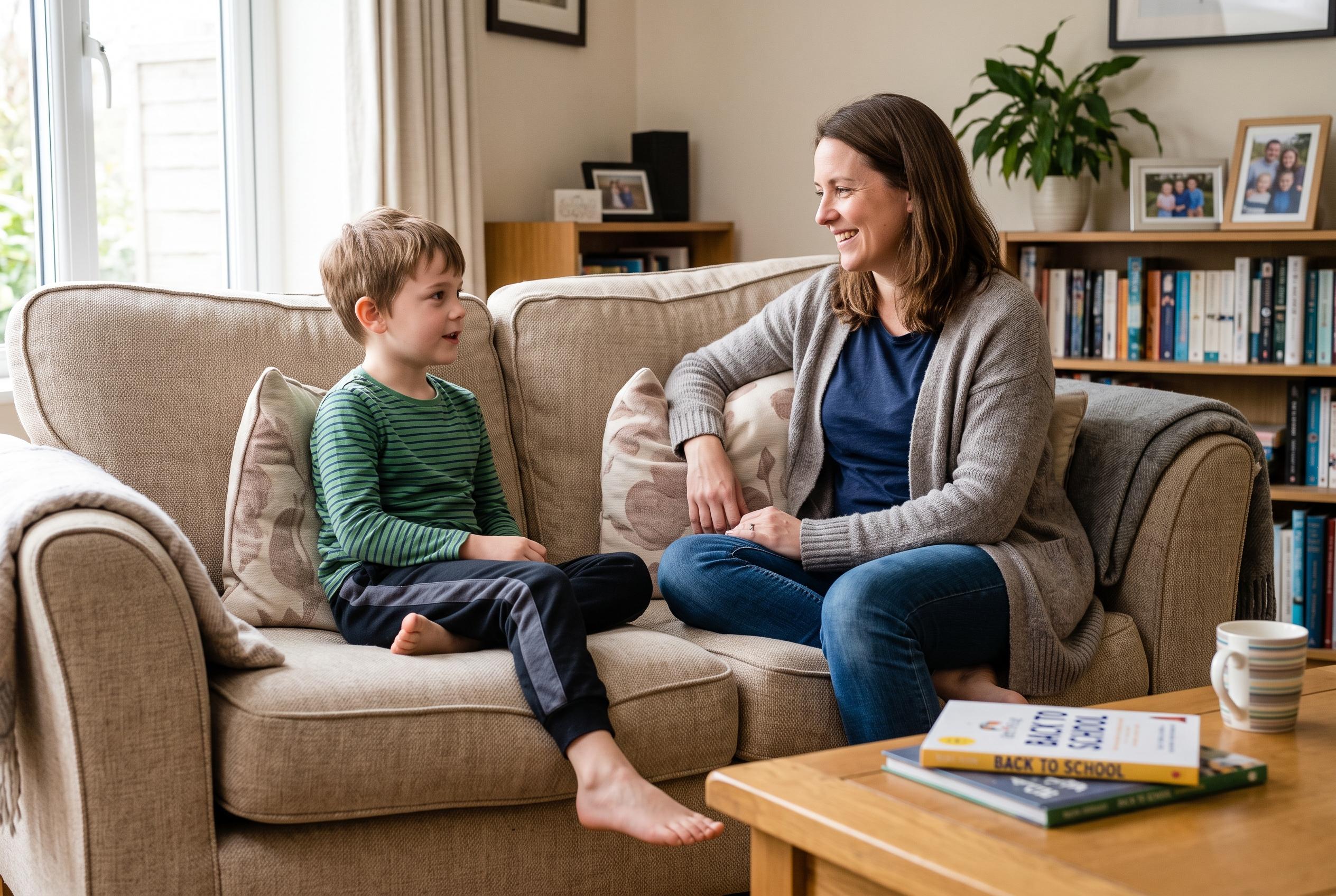

As the new school year approaches, experts in South Texas highlight the importance of recognising and addressing children’s mental health concerns, offering practical strategies for parents to ease transitions and seek professional help if needed.
As families prepare for the 2026-27 school year, South Texas Health System Behavioral is urging parents to think about children’s mental health as well as their school bags and stationery. The organisation says the return to class can be a positive reset, but it can also bring a fresh wave of worry for children and parents alike.
The back-to-school period often stirs up nerves because it combines several changes at once: new routines, social pressures, academic expectations and, for some pupils, the challenge of entering an unfamiliar setting. The Kids Mental Health Foundation says nearly 40% of parents report higher stress during the school year than in summer, with schedules and daily routines among the biggest pressure points.
Bob Cooper, director of utilisation review at South Texas Health System Behavioral, said anxiety can build from a range of sources, including concerns about fitting in, meeting school demands and adjusting to new environments. He added that children who have been bullied, struggled academically or had difficult experiences at school may feel those worries more intensely.
Experts say the warning signs are not always obvious. Stomachaches, headaches, disturbed sleep, changes in appetite, irritability, mood swings, withdrawal from friends or family and trouble concentrating can all point to a child who is finding the transition hard. Cleveland Clinic and Johns Hopkins Medicine both recommend acting early, before short-term nerves become a bigger problem.
Practical steps can help ease the shift. Johns Hopkins recommends gradually restoring sleep routines, while Cleveland Clinic advises resetting bedtimes, talking through worries and involving children in simple preparations such as shopping for school supplies. The Kids Mental Health Foundation also encourages parents to discuss feelings openly, prepare children for changes, set expectations and build connection with the school community.
South Texas Health System Behavioral suggests parents start routines one to two weeks before school begins, keep conversations calm and open, and look for small opportunities to build confidence. Simple breathing exercises, mindfulness and regular check-ins can also help. If anxiety does not ease or begins to affect school, relationships or daily life, experts advise speaking with a counsellor, therapist or other mental health professional.
For families who need urgent help, South Texas Health System Behavioral says confidential assessments are available through its hotline at 956-388-1300, and licensed mental health professionals are available 24 hours a day, seven days a week.
Disclaimer: This content is for informational purposes only and is not intended to be a substitute for professional medical judgment, advice, diagnosis, or treatment.