

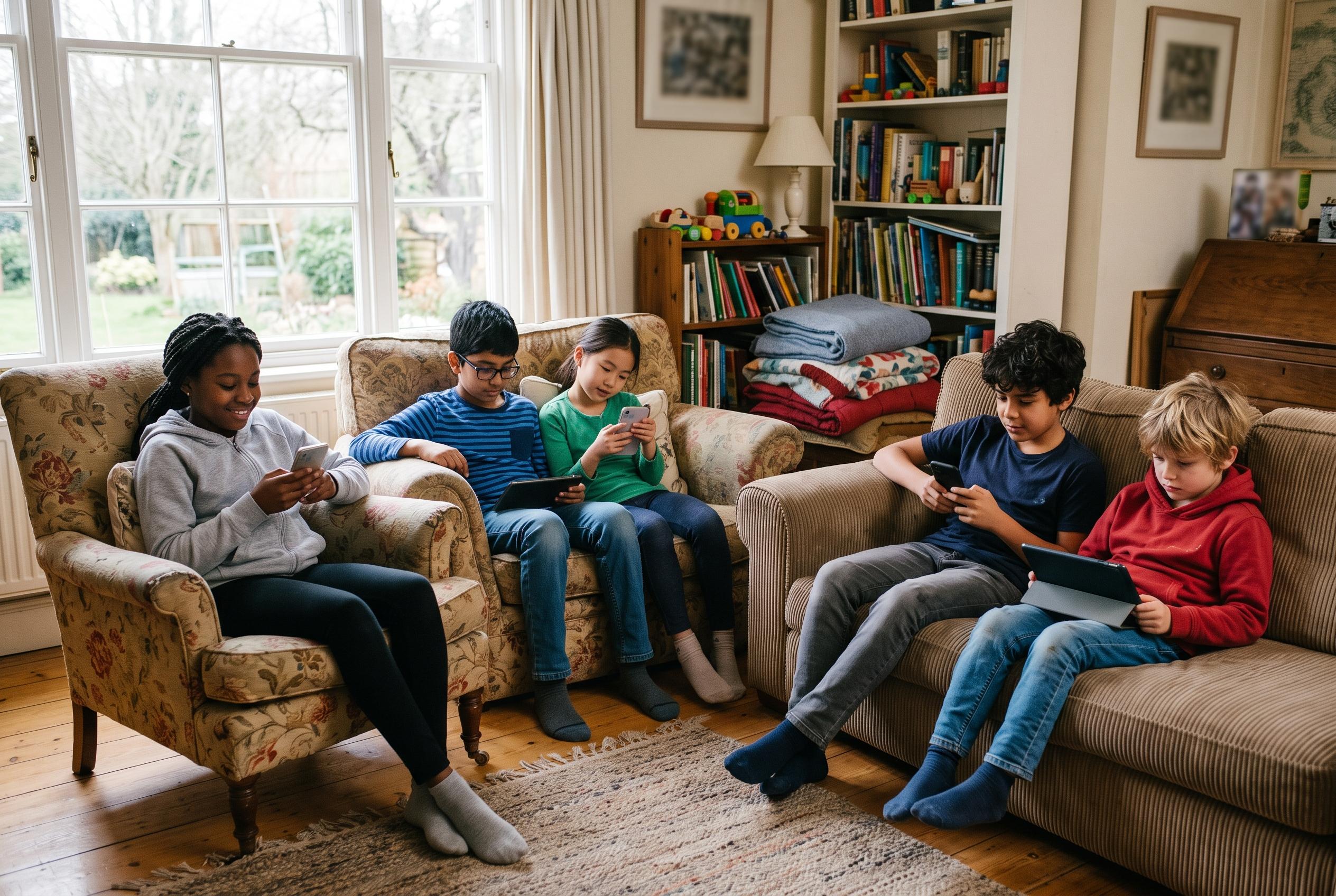

Governments are tightening controls and platforms are paying billions over alleged harm to children, but bypasses, privacy risks and the benefits of online connection are complicating the case for blanket bans.
Social media platforms are facing a growing financial and political backlash as governments and courts move to curb their influence on children. Since March, YouTube and Meta, the parent company of Instagram and Facebook, have settled or paid out more than $17 billion in lawsuits alleging that they acted negligently, designed products to keep children hooked and misled the public about safety and privacy, according to reporting cited in the lead article and a separate Los Angeles Times account of Meta’s settlement with 47 states.
At the same time, restrictions on minors’ access to social media are spreading quickly. Australia introduced a ban for under-16s in December 2025, while the UK has announced similar measures affecting platforms including Instagram, YouTube, TikTok, Snapchat, Facebook and X, after what officials described as strong public support for tougher action online, with parents and young people backing limits on underage use. ABC Australia reported that more than 4.7 million accounts were deactivated over two days when the Australian rules took effect, underlining both the scale of the policy shift and the practical challenge of enforcement.
The broader debate is being driven by a sharp rise in concern over children’s mental health. Jonathan Haidt’s book “The Anxious Generation” helped bring fresh attention to claims that social media can intensify anxiety and depression through sleep loss, fractured attention, loneliness, social comparison and compulsive use. The lead article points to a 2026 study suggesting that people aged 14 to 20 are now more than twice as likely to experience mental illness as their counterparts 50 years ago, while global estimates from 2021 showed elevated symptoms of anxiety in about one in five young people and elevated symptoms of depression in roughly one in four.
Yet the case for outright bans is not straightforward. The lead article argues that social media is not simply an addictive product to be treated like alcohol or cigarettes, because it can also help teenagers who feel isolated find community, express themselves and stay connected. Pew Research Centre findings cited in the piece show that 80% of US teens say social media helps them keep up with friends’ lives, a reminder that many young people use these services not just for entertainment but for social support and belonging.
The question is whether bans would meaningfully improve mental health or simply push children elsewhere online. Early evidence from Australia suggests many young users are already working around restrictions by using false identities, altered images, virtual private networks or adult-managed accounts. The lead article says 61% of children aged 12 to 15 in Australia still accessed platforms despite the ban, and regulators there have acknowledged that compliance remains a serious problem. That has fuelled debate in Britain about whether consumer VPN access should itself be restricted, even as officials struggle to enforce age checks without collecting more sensitive personal data.
There is also a concern that the data-gathering needed for age verification could create new privacy risks. Biometric estimates, selfie checks and other systems can be fooled by manipulated photographs, makeup or help from older relatives, while birthdate entry can easily be falsified. According to the lead article, some minors have already found ways to bypass the controls, which raises doubts about whether platform-level verification can keep pace with determined users.
Rather than blanket prohibitions, the article argues that governments should require safety-by-default settings for young users who remain on these platforms. That would mean tighter privacy controls from the outset, including making accounts unsearchable unless a user deliberately changes the settings, as well as limits on recommendation systems and other features that encourage endless scrolling. The piece also calls for stronger digital literacy teaching, more screen-free time, better recognition of addiction-like behaviour by parents and carers, and easier access to affordable mental health support.
A final recommendation is to involve young people in shaping the rules. The United Nations has urged policymakers to hear directly from children and teenagers about what they value online and what makes it hard to switch off. As the article makes clear, that does not mean handing regulatory power to children, but it does suggest that any durable response to youth mental health will need to be built with them, not just for them.
Disclaimer: This content is for informational purposes only and is not intended to be a substitute for professional medical judgment, advice, diagnosis, or treatment.



