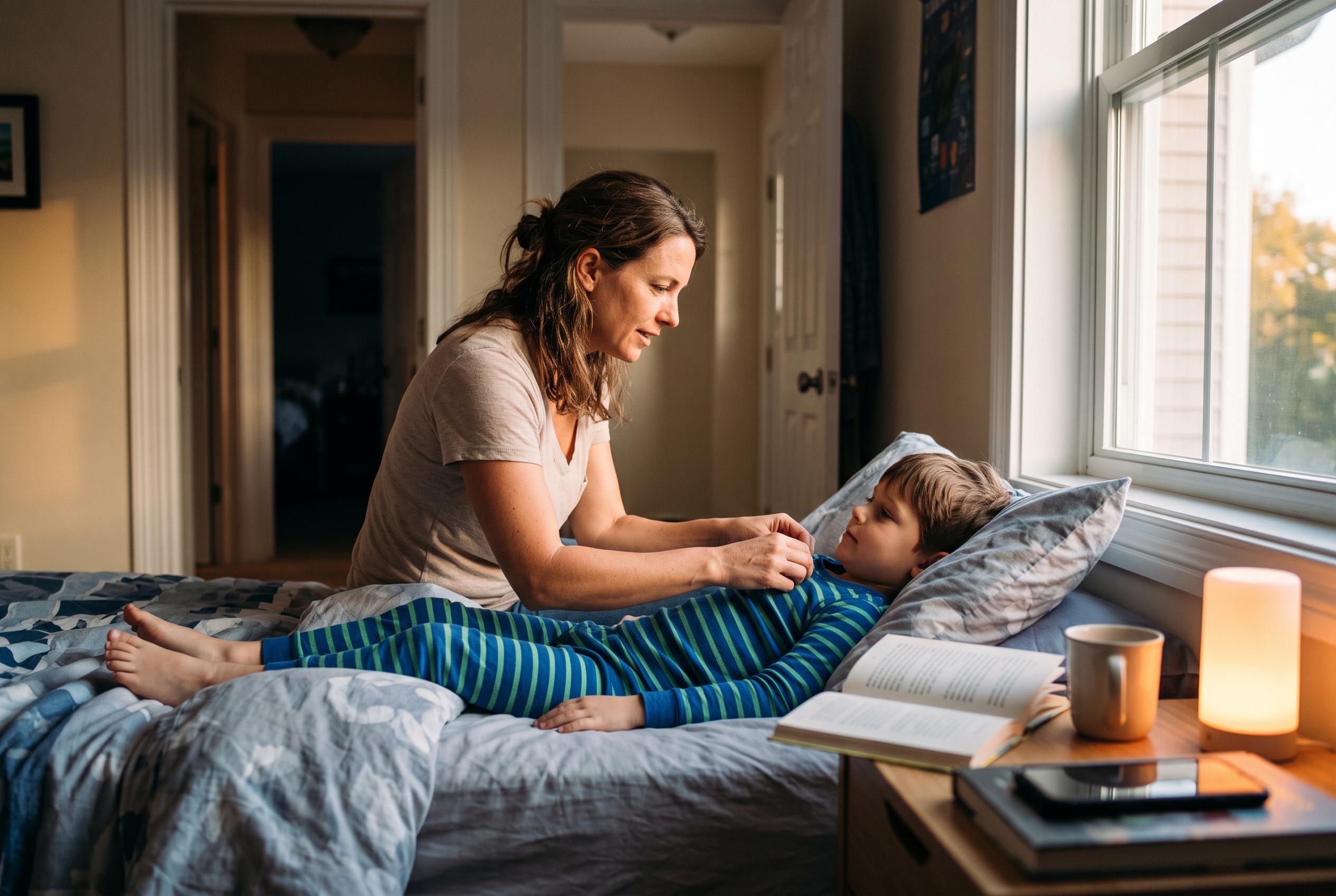

As the new school year approaches, sleep specialists recommend a steady, gradual adjustment to children’s bedtimes rather than abrupt changes, emphasising the importance of routine and natural light to ensure smooth transitions back to early mornings.
As the school term approaches, sleep specialists say parents should resist the urge to force an immediate return to an earlier bedtime. Instead, they advise easing children back into their routine gradually, so the body has time to adjust after the looser schedules of the holidays.
Speaking on ITV’s “This Morning” on Tuesday, 1 September, sleep specialist Sophie Bostock said a sudden move from a late summer bedtime to an earlier school-night schedule can backfire. She suggested starting from the time a child is actually managing to fall asleep, then shifting it earlier in small steps of around 15 to 20 minutes.
The advice reflects guidance from sleep charities and paediatric health groups, which say gradual change is usually more effective than a sharp reset. The Sleep Foundation recommends a calm, predictable bedtime routine of around half an hour, while Cleveland Clinic says moving bedtime earlier by 15 minutes every few days can make the transition easier. Children’s Health also advises families to start adjusting sleep patterns at least a week or two before school begins.
Bostock warned that leaving a child awake in bed for long periods can teach the brain to associate the bed with being alert rather than sleepy. She said the goal is to build the opposite association, so the bedroom becomes linked with rest. Experts also recommend keeping screens and other stimulating activities out of the wind-down period, and maintaining a dark, quiet and cool sleep environment.
Another part of the reset is morning light. Bostock said getting children into natural daylight soon after waking can help their bodies re-establish a school-friendly rhythm. Other sleep specialists make the same point, saying morning sunlight helps regulate the body’s internal clock and supports an easier return to earlier waking times.
Disclaimer: This content is for informational purposes only and is not intended to be a substitute for professional medical judgment, advice, diagnosis, or treatment.