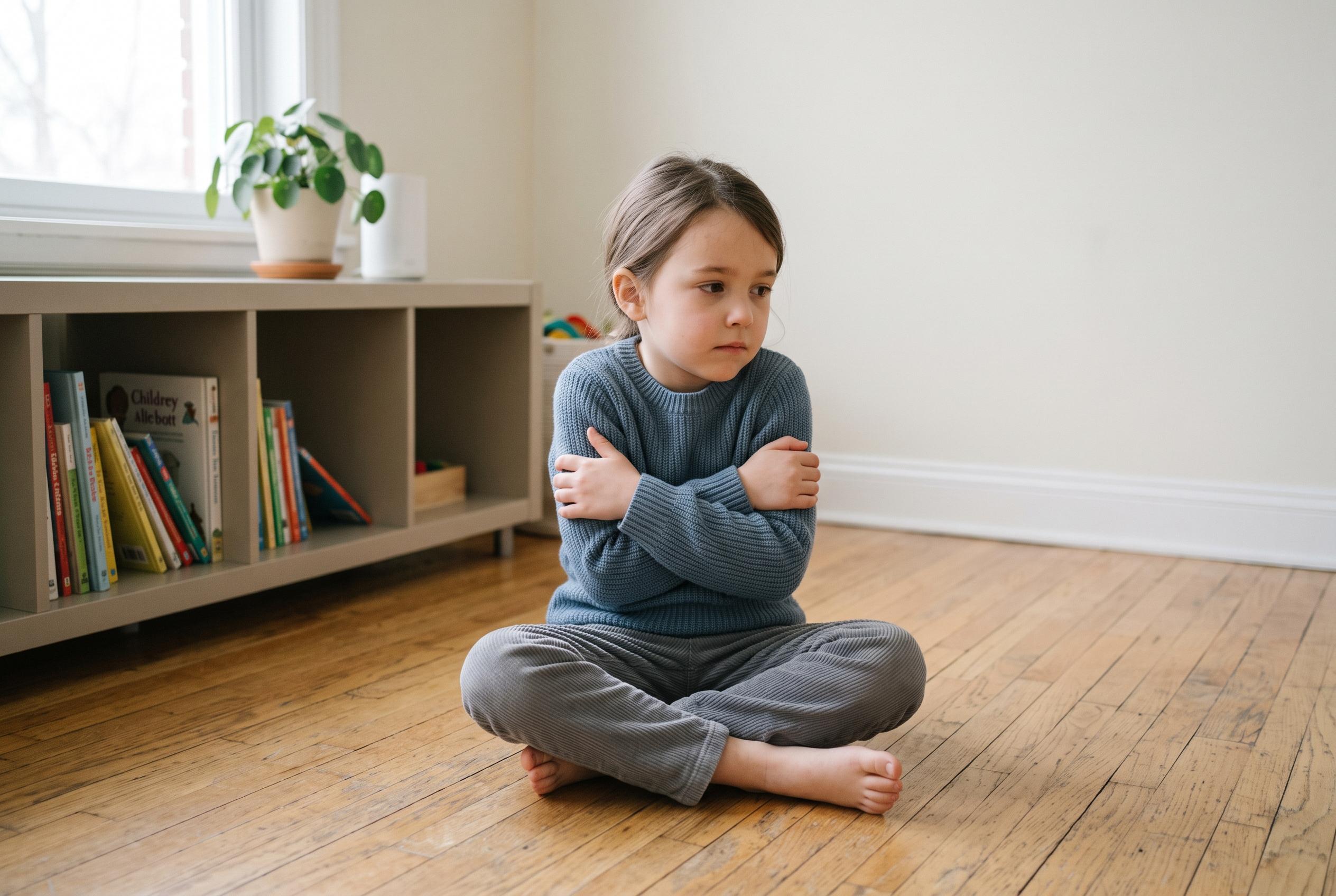

Children caught in parental disputes often display subtle signs of stress and divided loyalties. Experts emphasise the importance of recognising these cues to prevent emotional harm and ensure children’s well-being during complex family dynamics.
Children can feel caught between their parents long before anyone asks them to pick a side. The strain may show up in small, easy-to-miss ways: a child becoming careful with words, hesitating before speaking about the other home, or trying to manage an adult’s mood. In families dealing with separation or ongoing conflict, those signals can look like ordinary mood changes or adjustment troubles, which is why the pattern is often missed at first.
One of the clearest warning signs is self-censorship. A child may stop talking freely about visits, gifts, trips or routines from the other household because they are unsure what response it will trigger. Parenting resources on separated families say children often learn to watch facial expressions closely, measuring what is safe to say and what might lead to tension. Instead of answering openly, they may keep remarks brief or avoid the subject altogether.
Another clue is when a child starts acting like an emotional go-between. Guidance from Canadian family services and child-welfare organisations warns that children can be pulled into adult matters when parents use them to pass messages, report back on the other parent or carry information about schedules, money or disputes. Even when the message seems harmless, it gives the child a role that belongs to the adults and can make them feel responsible for keeping both households calm.
Children in this position may also become very concerned with loyalty. According to parenting specialists, they may hide excitement about the other parent, minimise a good weekend or apologise for enjoying time away. Some will go out of their way to reassure one parent that they are not upset, while others appear unusually agreeable, as if they are trying to please everyone at once. That behaviour can reflect pressure, not dishonesty.
Physical stress can be part of the picture too. Transition times between homes may bring stomach aches, headaches, nausea, sleep disruption or a sudden reluctance to leave. Child-focused family resources note that these symptoms can emerge when a child feels anxious about the handover itself or fears that a simple goodbye will upset one parent. Keeping exchanges predictable and emotionally restrained can help reduce that burden.
Some children begin repeating adult language that does not sound age-appropriate. They may use legal, financial or relationship terms they could not reasonably have developed on their own, or repeat lines that sound rehearsed. Mental health articles discussing children in high-conflict separations note that this can happen when a child has absorbed adult narratives and feels expected to repeat them. The concern is less about the words themselves than about the pressure behind them.
Experts also stress that children need permission to love both parents. Healthy Children, the American Academy of Pediatrics’ parenting site, warns against putting children in the middle through criticism, arguments or comments that make affection for one parent feel like betrayal of the other. Practical advice across family support resources is consistent: keep adult conflict between adults, communicate directly with the other parent where possible and give the child calm reassurance that they are not responsible for managing grown-up emotions.
When a child seems trapped in this dynamic, the most helpful response is usually the least dramatic one. Parents are encouraged to speak plainly, avoid asking the child to take sides and ask open-ended questions about the child’s experience rather than interrogating them about the other household. If the anxiety, withdrawal or divided loyalties continue, family therapy or child counselling may help give the child a neutral space to talk. The central message is simple: a child should not have to carry the emotional weight of the separation.
Disclaimer: This content is for informational purposes only and is not intended to be a substitute for professional medical judgment, advice, diagnosis, or treatment.