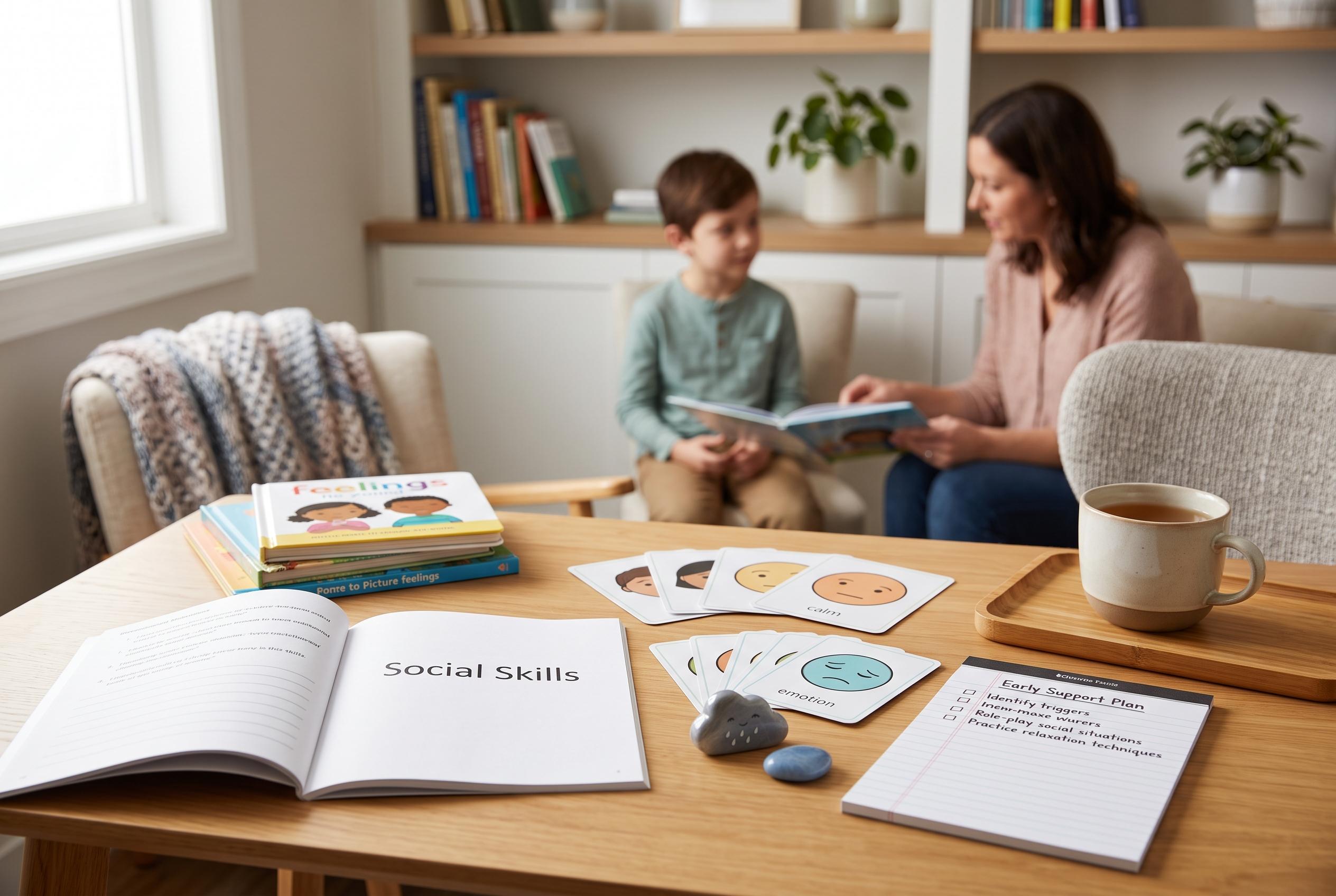

As social anxiety begins to be recognised beyond shyness, experts emphasise the importance of early diagnosis and personalised care to prevent the condition from worsening and affecting everyday life.
Feeling nervous before a presentation, first date or crowded gathering is a normal human reaction. But when fear of being judged starts to shape decisions, shrink routines and limit relationships, it may be something more serious than everyday nerves. Lightfully says that social anxiety is not simply shyness: it can involve intense fear, physical distress and avoidance that disrupts work, school and daily life.
The National Institute of Mental Health describes social anxiety disorder as a pattern of fear about scrutiny or embarrassment in social settings, often accompanied by symptoms such as sweating, trembling, a racing heart and difficulty making eye contact. WebMD and other mental health guides note that people may also avoid social events altogether, spend hours replaying conversations afterwards or rely heavily on reassurance to get through situations. Those patterns can be exhausting, and they often make life feel smaller over time.
Lightfully’s guidance points to six warning signs that it may be time to look for help: avoiding activities that matter, over-analysing interactions, feeling physical panic in social settings, depending on escape plans or constant reassurance, seeing the problem affect work, school or relationships, and feeling stuck despite trying to push through. GoodRx and Grow Therapy also advise seeking support when anxiety becomes persistent, interferes with sleep or daily tasks, or causes people to withdraw from things they once enjoyed.
Treatment can be tailored to the person, but common approaches include therapy, coping skills and, in some cases, medication. Lightfully says a useful therapist should offer clear goals, practical tools and a pace that feels challenging but manageable. For people whose symptoms are severe or tied to safety concerns, a higher level of care may be needed. In an emergency, anyone thinking about suicide or worried they may hurt themselves should call or text 988, call 911 or go to the nearest emergency room.
Disclaimer: This content is for informational purposes only and is not intended to be a substitute for professional medical judgment, advice, diagnosis, or treatment.