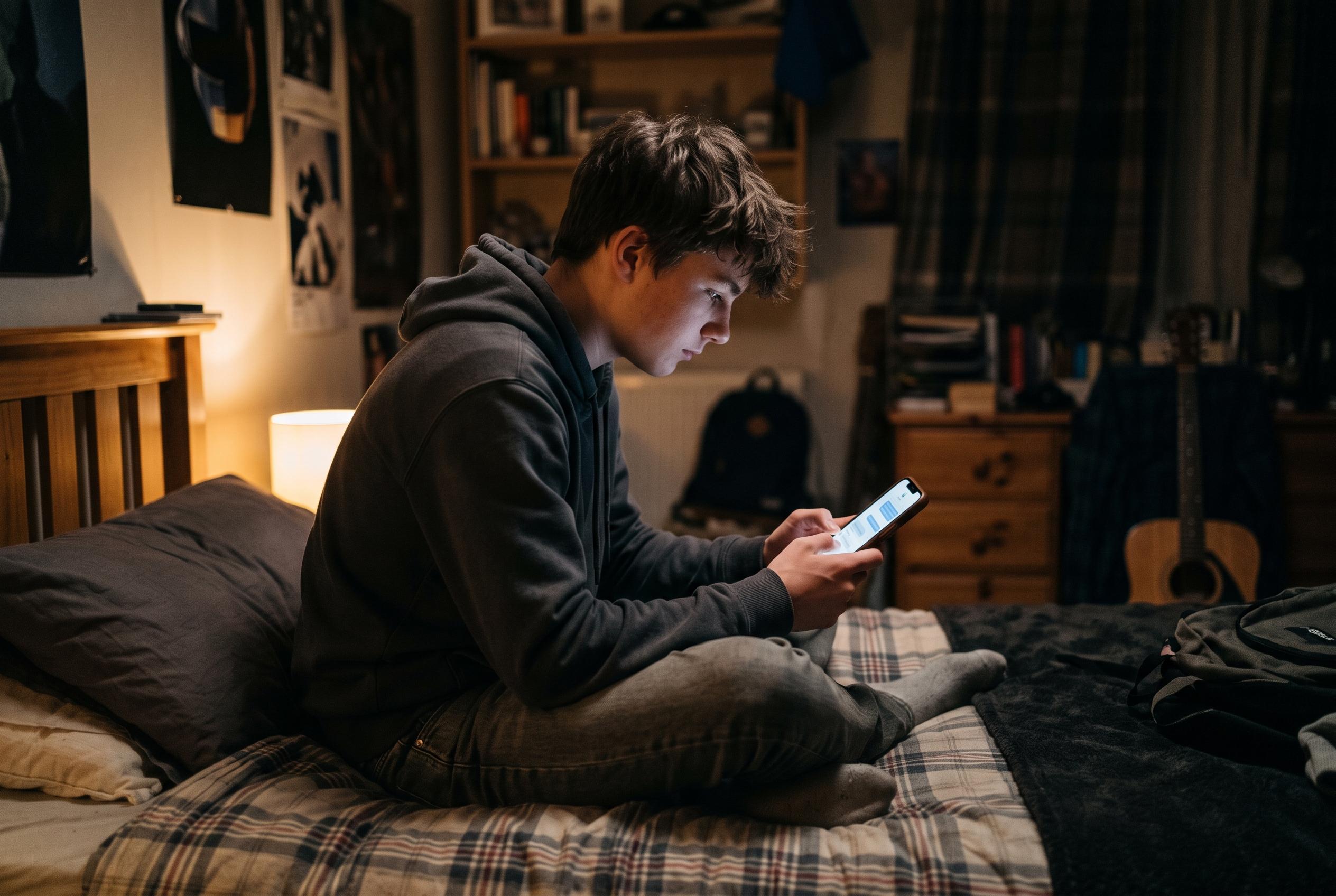

A growing number of adolescents are turning to AI chatbots for emotional support, raising alarms among researchers and parents over the potential risks and impact on mental health care.
Liliana Messinger did not begin looking to artificial intelligence for companionship. She first reached for it as a child who did not yet know how to explain panic, grief and the slow unravelling of family life. What started as a way to ask awkward questions in private became, over time, a habit of turning to chatbots for the kind of reassurance she struggled to get elsewhere.
Her story sits at the centre of a wider shift now drawing concern from researchers, parents and school officials. A Brown University study found that about one in eight U.S. adolescents have used AI chatbots for mental health support, and researchers say that figure has risen sharply in less than a year. Other recent studies suggest the number may be even higher among teenagers and young adults, underscoring how quickly these tools have moved from novelty to routine emotional outlet.
For many young people, the appeal is not that a chatbot is wiser than a person, but that it is always there, apparently patient and ready to respond without judgement. Messinger, now 18, said that quality made the technology feel easier than opening up to a therapist she might see only occasionally or a parent she was not ready to burden. She described the experience as a cycle: using the chatbot when she felt low, stepping away, then returning when life became hard again.
That dependence has alarmed experts who study adolescent mental health. Brown University researchers have said chatbots can fail in crisis situations, reinforce damaging beliefs and simulate empathy in ways that may mislead vulnerable users. Parents’ groups have also warned that, unlike licensed professionals, AI systems are not obliged to report imminent harm. Their concerns come as schools continue to struggle with limited counselling capacity and as many families face the cost of private care.
Messinger now says she tries to keep AI in a narrower role, using it more like a digital helper than a confidant. She is back in weekly therapy and planning for San Diego City College, where she hopes to prepare for nursing school. After years of leaning on chatbots to fill emotional gaps, she says she wants to find out who she is without a screen between herself and the world.
Disclaimer: This content is for informational purposes only and is not intended to be a substitute for professional medical judgment, advice, diagnosis, or treatment.