

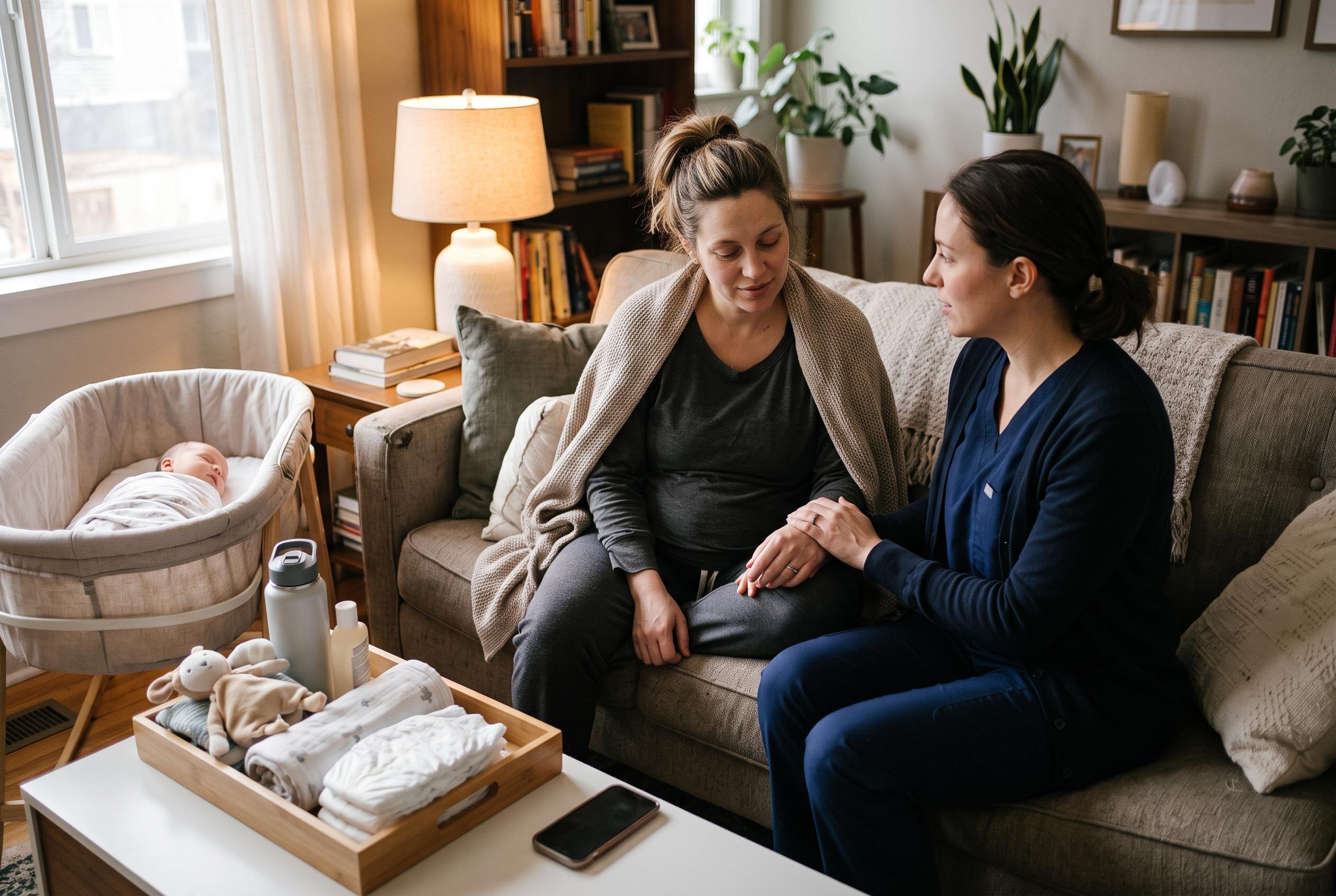

Well-meant advice often adds to the emotional burden of new mothers. Experts emphasise practical, personalised support over generic comments to safeguard mental health during the postpartum period.
New mothers are often told they need encouragement, but well-meant advice can land as criticism at a moment when they are physically exhausted, hormonally vulnerable and already doubting themselves. That is why casual remarks that sound harmless to outsiders can intensify guilt, anxiety and the sense of being judged. Health officials in the United States say postpartum mental health problems affect around one in five women, underlining how common and serious the emotional strain after birth can be.
One of the most familiar examples is the suggestion to “sleep when the baby sleeps”. On paper, it sounds practical. In reality, many mothers are using those brief quiet moments to eat, shower, answer messages, or simply sit down for a minute. Chelsea Solorzano, a psychotherapist cited by Doctor Peter, said it is often more useful to offer a specific act of help than to repeat broad advice. A better approach is to ask what a mother actually needs or to offer to stay with the baby while she rests.
Another phrase that can do damage is the warning that things will only get harder. Comments about teething, sleep regressions or the so-called terrible twos may be intended as a joke, but they can pile pressure on someone already feeling overwhelmed. Health guidance from the US Department of Health and Human Services and the Office on Women’s Health stresses the value of support, reassurance and realistic expectations, rather than language that increases fear. Encouragement is more helpful when it points to what is going well and reminds a mother that difficult stages also pass.
Similar problems arise with comments such as “you can relax on maternity leave” or “at least the baby is healthy”. These lines can dismiss the reality that caring for a newborn is relentless and that a mother’s own wellbeing matters too. Cleveland Clinic and Healthline both note that postpartum depression can bring guilt, low mood and exhaustion, and that those feelings should not be brushed aside. A more constructive response is to ask directly how she is coping and to listen without trying to minimise her experience.
The same principle applies to feeding choices, family planning and offers of help. Questions about when a second child will arrive, or lectures about breastfeeding, can feel intrusive and judgmental, especially if birth or pregnancy was difficult. Even the phrase “let me know if you need anything” may be too vague to be useful, because an overwhelmed parent may not know where to start. Specific offers work better: dropping off dinner on a particular day, taking the older child out for an hour, or checking in about whether she has managed to rest.
Behind all of this is a more serious point. Postpartum mental health problems are not simply a matter of hurt feelings, and they do not always appear immediately after birth. The US Department of Health and Human Services says support should be available before, during and after pregnancy, and that new mothers should seek professional help when symptoms deepen or behaviour changes suddenly. In rare cases, postpartum psychosis can be a medical emergency. The safest response from family and friends is not to assume they know what a mother needs, but to offer practical help, respect her choices and take her distress seriously.
Disclaimer: This content is for informational purposes only and is not intended to be a substitute for professional medical judgment, advice, diagnosis, or treatment.



