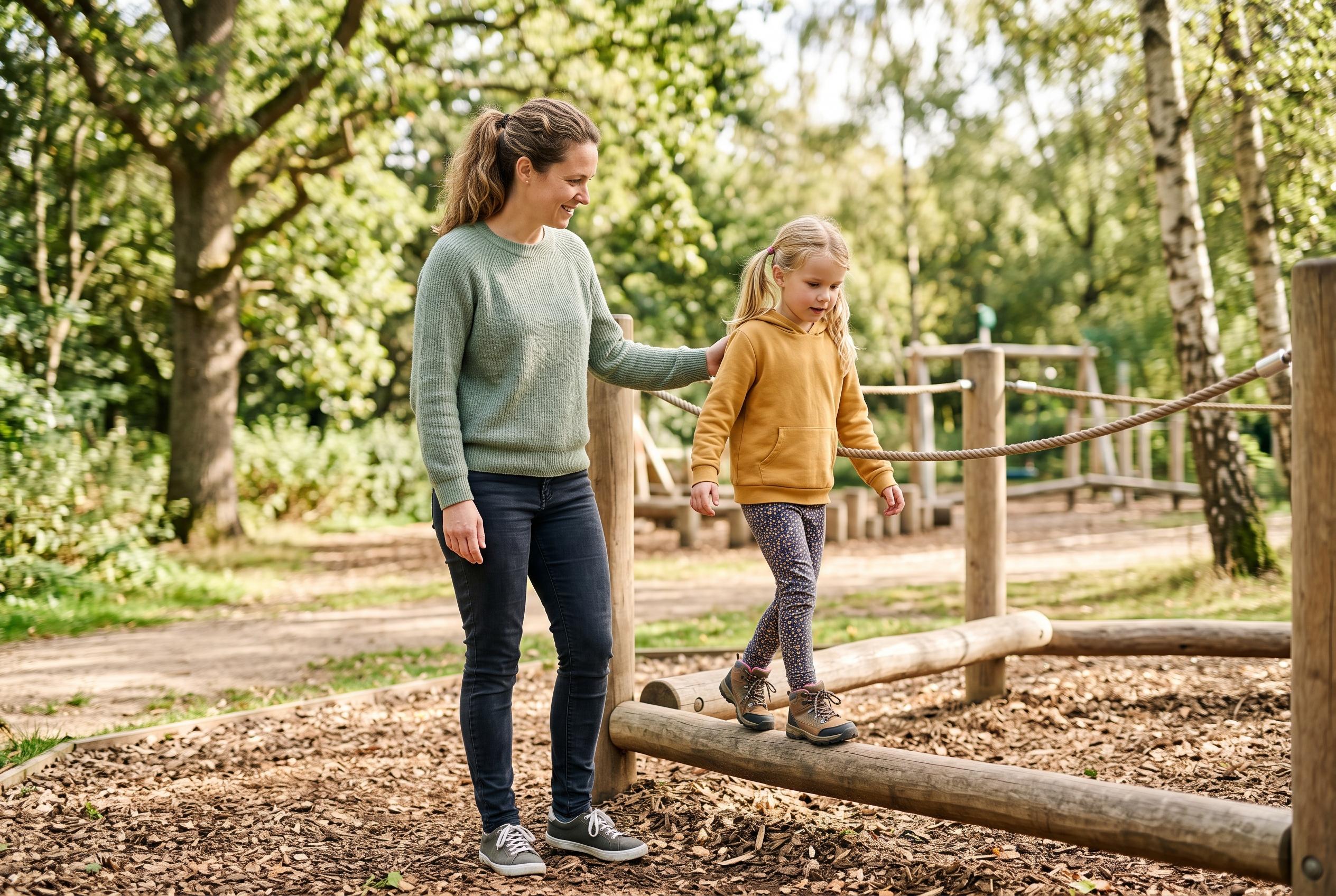

Recent insights into childhood anxiety suggest that balancing reassurance, gradual exposure, and parental support can help build resilience in children, challenging traditional protective techniques.
Anxiety is not only an adult problem. Recent analysis cited by HuffPost suggests that around 20.5% of children and teenagers worldwide show signs of anxiety, and clinicians say it can appear in very different ways. Some children complain of stomach aches, headaches or a racing heart. Others become tearful, clingy or withdrawn, while some stop joining in with friends or activities altogether.
One of the most common ways parents can unintentionally worsen the problem is by reinforcing avoidance. According to parenting specialist Laura Linn Knight, anxious children often try to escape whatever makes them uncomfortable, and that pattern can grow over time. A child who fears separation at school may first ask for a lift instead of taking the bus, then later want a parent to walk them to the classroom door. Research in the Journal of Child and Family Studies also points to overprotective parenting as a factor linked with higher anxiety in children, especially when parents themselves have a strong sense that they must control outcomes.
Experts say the better response is to balance reassurance with gradual exposure. Rather than removing every source of distress, parents can help children face manageable fears while making it clear support is still there. The aim is not to eliminate discomfort entirely, but to build resilience so children learn they can cope without being rescued at every step.
Parents also need to manage their own anxiety carefully. Hadijah Watkins of the Clay Center for Young Healthy Minds at Massachusetts General Hospital said children absorb not just words but body language and tone, so adult stress can easily shape how safe a child feels. When parents openly model calm breathing, problem-solving or other coping skills, children are more likely to copy those habits. The broader literature supports that view: a meta-analysis in Child Development found the parenting-anxiety link is real but modest, suggesting family behaviour matters, though it is only one part of a much larger picture.
Another pitfall is avoiding conversations about feelings. Ann-Louise Lockhart, a child psychologist and parenting coach, recommends naming what a child seems to be experiencing and then acknowledging it without rushing straight to a fix. That approach helps children understand their own emotions and makes it easier to talk about fear, nervousness or uncertainty before those feelings become overwhelming. A 2014 study indexed by PubMed found that children with anxiety disorders perceived more parental control, while maternal acceptance was associated with fewer symptoms and psychological control with more.
Overcaution can also feed anxiety. Jenny Yip, a clinical psychologist and author, says repeated warnings such as “be careful” can teach children to see danger everywhere. She advises giving practical explanations instead of alarmist ones, so children understand risk without feeling surrounded by threat. Other specialists recommend the same principle when discussing difficult subjects such as smoking, school pressure or camp: explain why something matters, rather than trying to frighten children into compliance. Research on parental educational anxiety has also found that when parents are less anxious and more supportive, they are more likely to encourage autonomy rather than psychological control.
Praise can be another source of pressure when it focuses only on results. Sinclair-McBride, a therapist quoted by HuffPost, says children often fear disappointing parents if they are not the very best at everything. Child-development research suggests that recognising effort can reduce that pressure and help children feel valued even when they fall short. Experts also warn against overwhelming children with too many hypothetical worries, since that can create anxieties they had not considered. And in homes where rules are harsh, criticism is frequent or messages are mixed, children may feel unsafe making mistakes. Studies on parenting and child anxiety, including research on mothering and fathering published in the Journal of Child Psychology and Psychiatry, suggest that warmth, consistency and appropriate autonomy matter far more than intimidation.
Disclaimer: This content is for informational purposes only and is not intended to be a substitute for professional medical judgment, advice, diagnosis, or treatment.