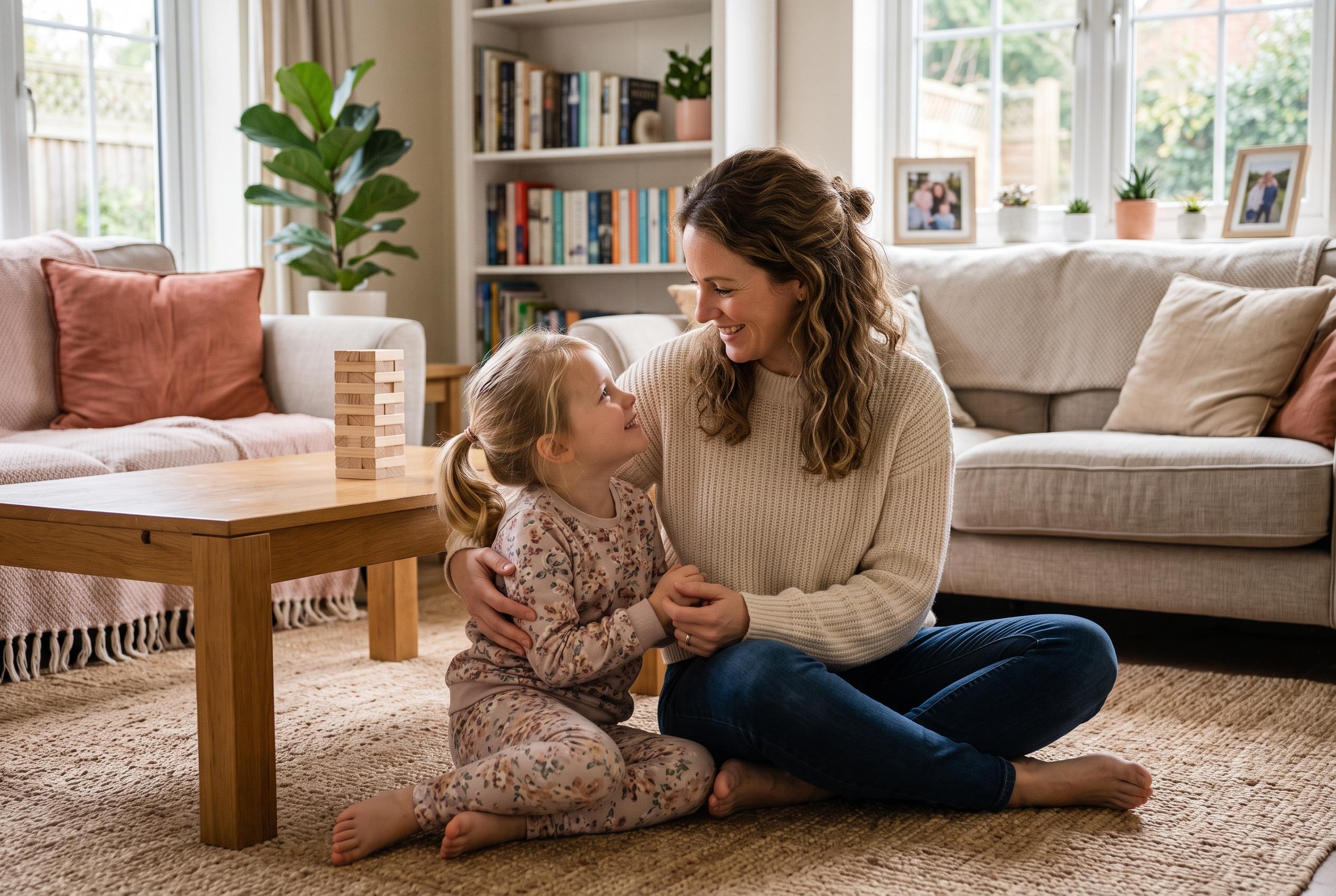

A global study introduces a new online questionnaire indicating that love and affection are the most predictive skills for positive child outcomes, reinforcing the role of structured parent education.
A new online questionnaire has found preliminary support for the idea that parenting can be measured as a set of distinct, trainable skills, with the strongest link to positive child outcomes appearing to be love and affection, according to research published in Frontiers in Psychology. The study drew on responses from 16,986 parents in 133 countries, although more than half of the sample came from the United States, and tested whether scores on the instrument tracked with parents’ reports of their relationships with their children, their own parenting ability and their children’s happiness, health and success.
The authors said the test showed strong internal consistency and that total scores were positively associated with all five outcome measures, suggesting the questionnaire had reasonable validity for an initial instrument. They also reported that the parenting competency they labelled safety was the least predictive of good outcomes among the 10 domains they identified, while love and affection was the strongest. Parenting training was associated with higher scores, which the researchers said supports the case for structured parent education.
The questionnaire was built from 10 competencies the authors say emerged from previous empirical work: autonomy and independence, behaviour management, education and learning, healthy lifestyle, life skills, love and affection, relationship skills, religion and spirituality, safety and stress management. Independent expert reviewers rated love and affection as the most important competency and safety as among the highest-rated in importance, though the test authors argued that importance and predictive value are not always the same thing. The study also found small differences by gender, race and ethnicity, sexual orientation, age, number of children and education level, but the effects were generally modest.
The findings sit alongside a wider body of work suggesting that parenting support programmes can improve family outcomes. A systematic review cited in related research has found intervention programmes for parents and caregivers can strengthen parenting skills across different cultural settings, while a separate study links parental happiness and mindful parenting to children’s social-emotional competence. Another recent trial found that coping and parental competence interventions can improve the mental well-being of parents of preschool children with special educational needs. Taken together, the evidence points to a growing consensus that parenting support is most effective when it combines practical skills with attention to parents’ own wellbeing.
Disclaimer: This content is for informational purposes only and is not intended to be a substitute for professional medical judgment, advice, diagnosis, or treatment.