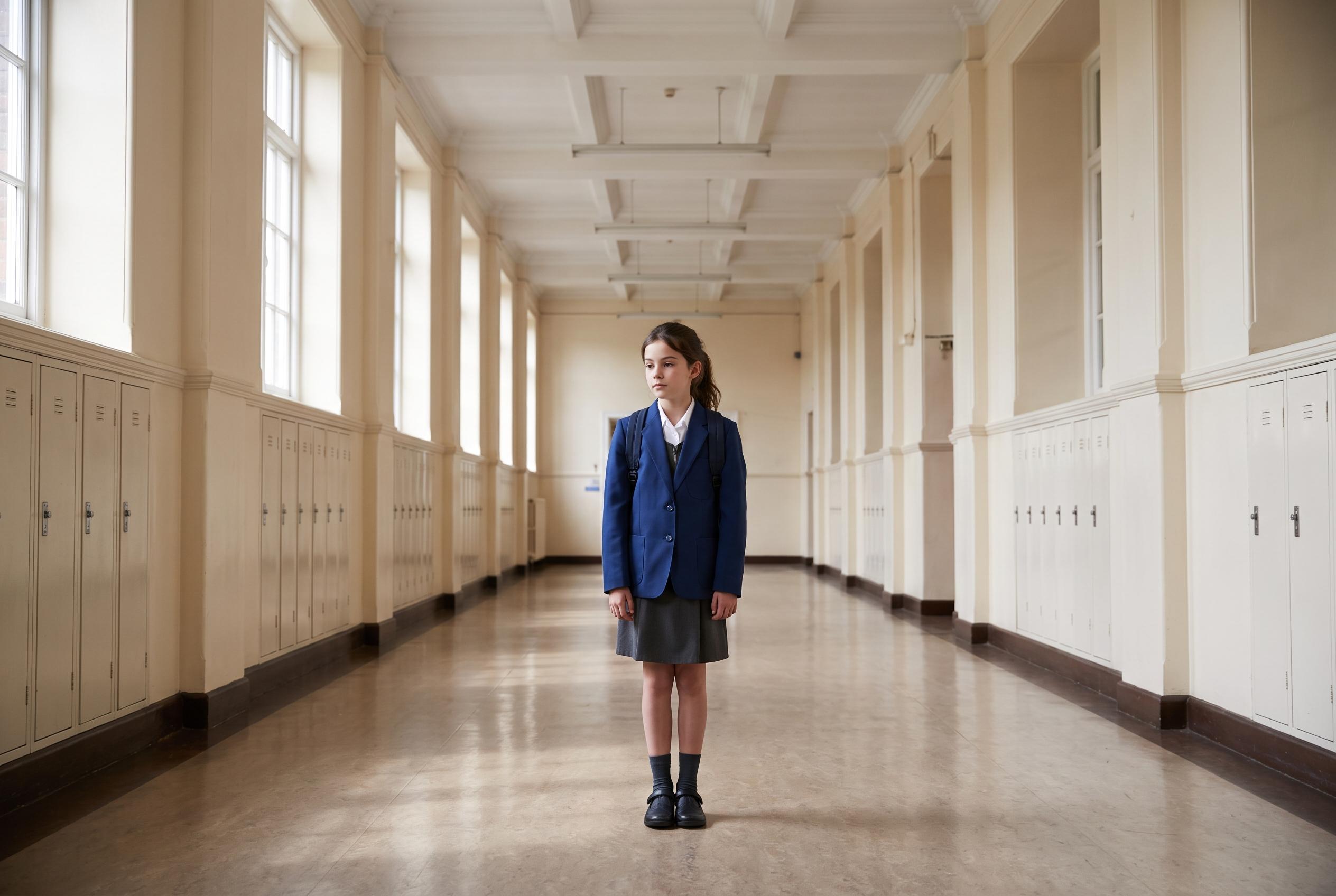

A new study from Adelaide University finds that the shift from primary to secondary school causes long-term declines in students’ happiness, emotional regulation, and optimism, especially among girls and those in remote areas, signalling a need for sustained support.
The move from primary to secondary school can be one of the biggest changes in a child’s life, and new research from Adelaide University suggests it is also a period when wellbeing can take a marked hit. The study, published in the Journal of Child Psychology and Psychiatry, followed more than 20,000 South Australian students and drew on more than 104,000 wellbeing records collected between 2019 and 2025. It found declines across happiness, optimism, perseverance, emotional regulation, cognitive engagement and life satisfaction, while sadness and worry increased.
The findings challenge the idea that early-teen wellbeing drops are simply part of growing up. By comparing two cohorts that started secondary school in 2022, one in Year 7 and one in Year 8, the researchers were able to separate the effect of the school move from the normal changes of adolescence. Adelaide University said the decline appeared to be driven by the transition itself rather than age alone.
The effects did not seem to fade quickly. According to Adelaide University and the study abstract indexed by PubMed, the dip in wellbeing could last for more than two years after students entered secondary school. Girls and students living in remote areas recorded sharper declines than boys and their city-based peers, suggesting some children may need more sustained support than others.
Researchers say that should push schools to rethink how they handle the transition. Rather than treating orientation as the finish line, the study argues for continued monitoring and support through the early years of secondary school. That means families, teachers and policymakers may need to watch for warning signs well beyond the first term, especially as students adapt to new routines, social circles and academic demands.
Disclaimer: This content is for informational purposes only and is not intended to be a substitute for professional medical judgment, advice, diagnosis, or treatment.