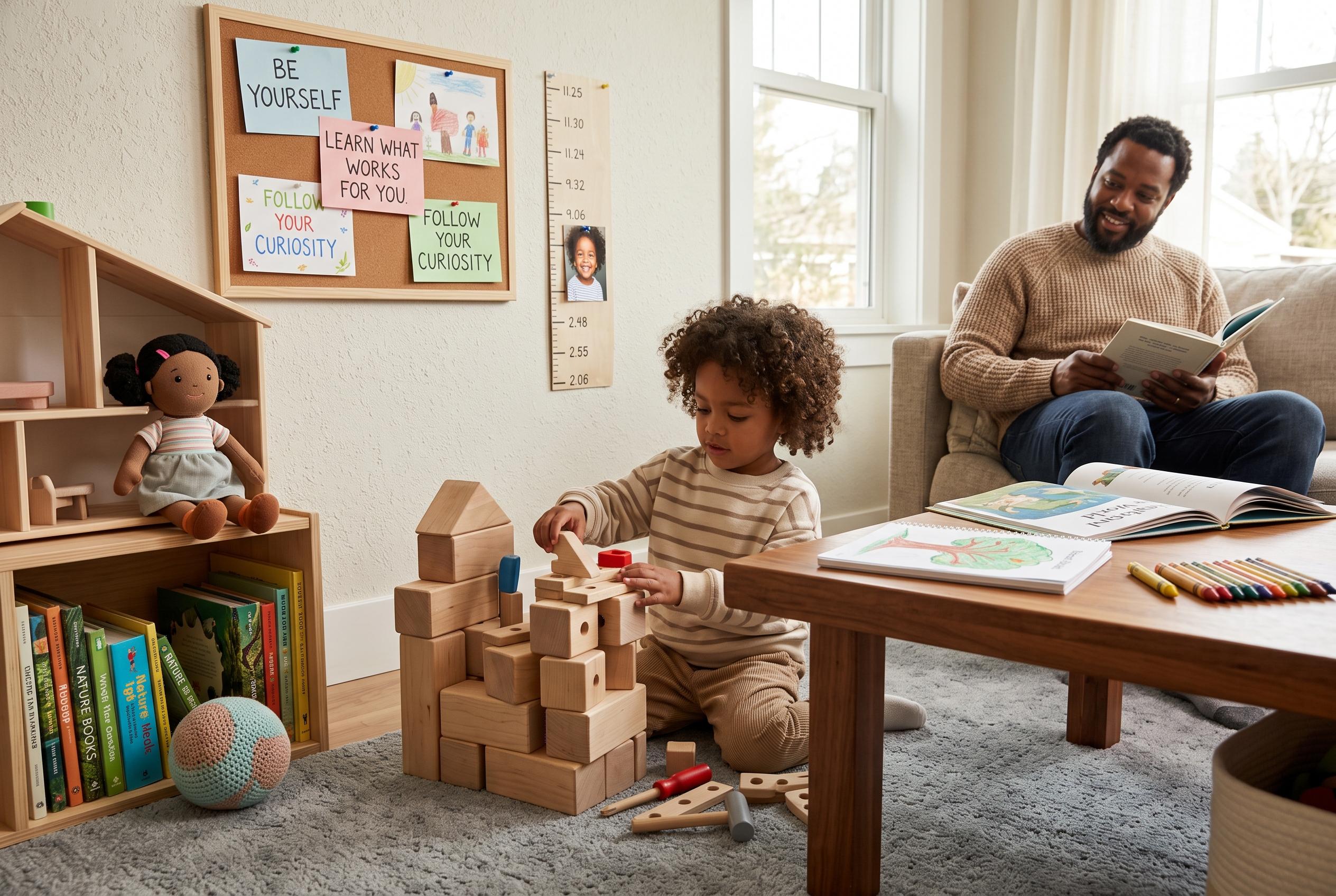

New insights reveal that parental beliefs about raising boys and girls are influenced more by social expectations than reality, underscoring the importance of personalised parenting approaches that foster confidence and resilience in all children.
Parents have long debated whether raising a son is easier than raising a daughter, and the answer is less straightforward than popular stereotypes suggest. Daily Mom’s article argues that the question reveals as much about social expectations as it does about children themselves: boys are often cast as active and less emotionally complicated, while girls are seen as more sensitive and socially demanding. But temperament, family environment and individual personality usually matter far more than sex.
That point is reinforced by research and polling. Gallup has found for decades that Americans slightly prefer boys if they could have only one child, with 36% saying they would choose a boy and 28% a girl. Pew Research Centre has also shown that parenting is experienced differently by mothers and fathers, with mothers more likely to describe themselves as overprotective, stressed and judged. Together, those findings suggest that ideas about sons and daughters are shaped not only by children’s behaviour, but by adults’ assumptions about parenting itself.
Those assumptions can have consequences. The Daily Mom piece notes research showing that parents who favour boys may unintentionally limit daughters’ confidence and academic development. Other studies and reference works point to gendered patterns in parenting styles, with some parents responding differently to sons and daughters in areas such as discipline, emotional expression and physical play. That does not mean every boy or girl is the same, only that adults often bring unconscious expectations into the home.
The stronger conclusion, supported by the broader evidence, is that good parenting is not about choosing between sons and daughters. It is about responding to each child as an individual. Encouraging emotional expression, independence, confidence and resilience matters for both boys and girls. So does challenging stereotypes early, whether that means supporting a daughter who loves sport or a son who prefers art. In the end, the question is not which sex is easier to raise, but whether parents are willing to raise children with fairness, patience and attention to who they actually are.
Disclaimer: This content is for informational purposes only and is not intended to be a substitute for professional medical judgment, advice, diagnosis, or treatment.