
As the new academic year approaches, families are advised to start early with routines, organisation, and emotional support to ensure a calm and confident return to school for children of all ages.
The move from summer to the school term can unsettle even well-organised households. As the new academic year approaches on August 24, families are often trying to reset sleep patterns, rebuild structure and prepare children for a sharper daily rhythm after weeks of looser routines. Child-development guidance from Austin Child Guidance suggests easing back into school-year habits two to three weeks ahead of time, especially for younger children, so expectations feel more predictable before classes begin.
One of the simplest ways to lower pressure is to make the week visible. A shared family calendar helps track homework, tests, projects, appointments and after-school activities in one place, while a daily schedule can give younger children a clearer sense of what comes next. Cleveland Clinic advises parents to practise the morning routine before the first day, including getting up on time, dressing, eating breakfast, packing a bag and handling basic hygiene, so the school-day sequence feels familiar rather than rushed.
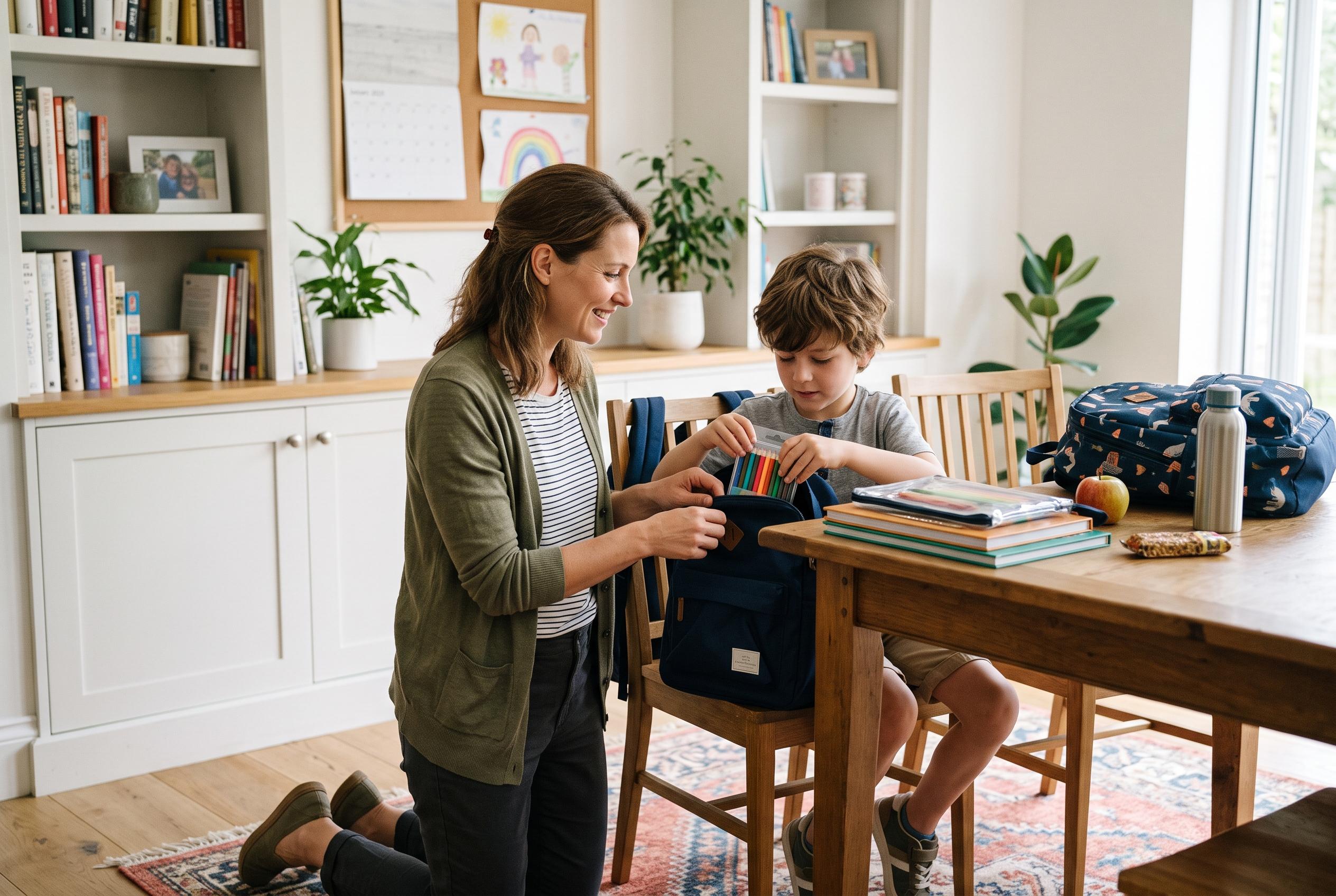
Preparation also matters at home. Setting up a quiet place for homework, organising school supplies the night before and planning lunches in advance can spare families a string of small decisions each morning. The goal is not perfection but fewer frantic choices. Experts quoted in the lead article also urge parents to let children take on age-appropriate tasks for themselves, from packing backpacks to choosing clothes, because independence builds confidence as well as competence.
Just as important is the emotional side of the transition. Praise for effort and improvement, rather than grades alone, can help children see setbacks as part of learning. Regular conversations about friendships, worries and daily experiences can also make it easier for parents to spot strain early. If a child’s sleep, appetite, mood or motivation changes noticeably, the advice is to pay attention and seek support promptly. A calm start is rarely accidental; it usually comes from planning, routine and steady communication between home and school.
Disclaimer: This content is for informational purposes only and is not intended to be a substitute for professional medical judgment, advice, diagnosis, or treatment.