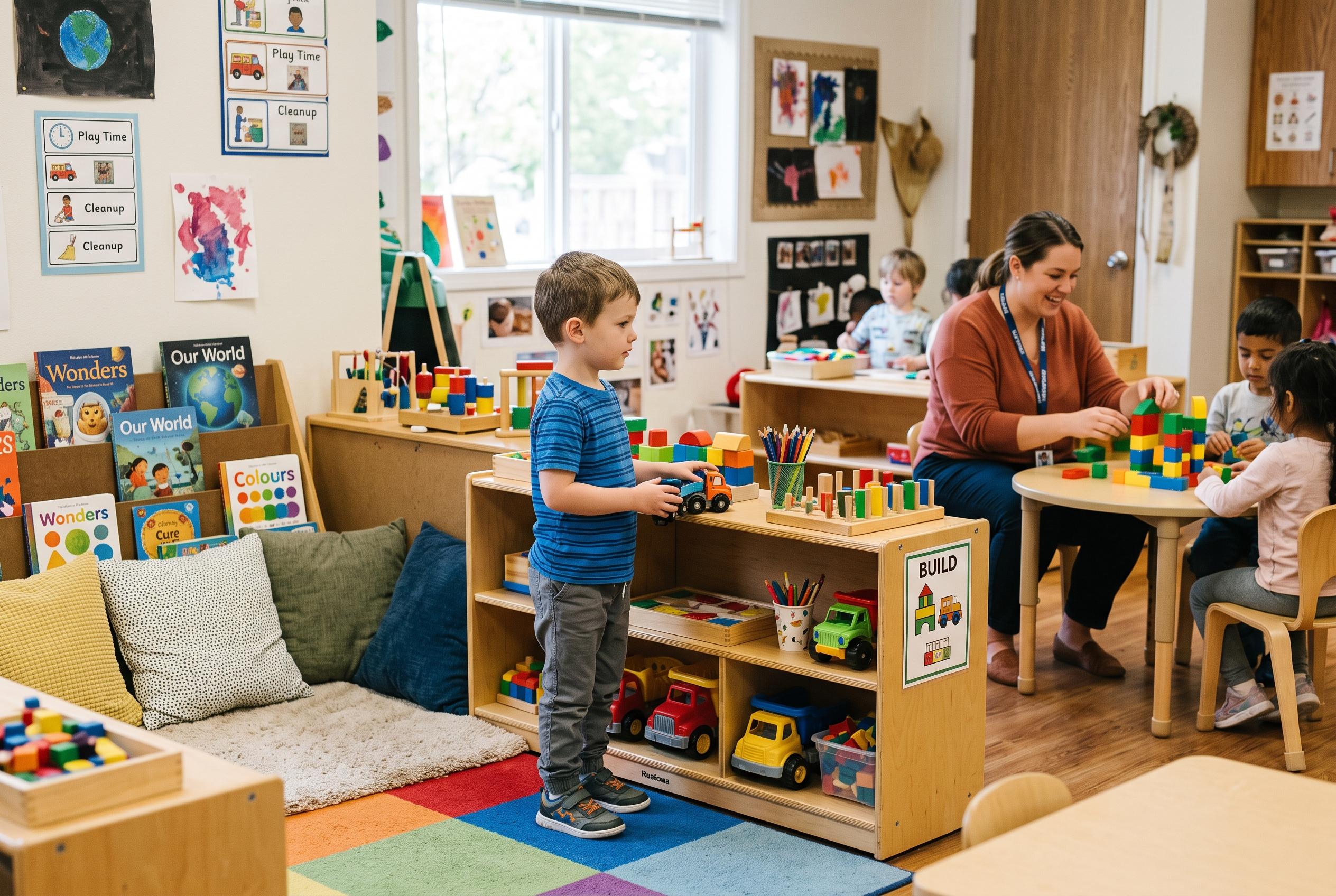

Experts highlight the importance of personalised preparation and collaborative efforts between families and schools to ensure children with autism transition smoothly into preschool, fostering confidence and independence from the outset.
For many families, preschool is the first real step into a structured learning environment, and for children with autism that transition can be especially important. ABA Centers of Florida says the best preparation starts well before the first day, with simple routines at home, everyday practice with tasks such as handwashing and following directions, and encouragement around basic communication. Early Autism Services adds that readiness also includes awareness of the environment, understanding instructions and building the ability to absorb new information in a classroom setting.
School readiness is not only about what a child can do. It also depends on whether the preschool is prepared to meet the child’s communication style, sensory needs, support plan and safety considerations, ABA Centers of Florida says. That broader view is echoed by other autism providers, who stress that children with autism often benefit from individualised preparation because their needs, strengths and therapy goals can vary widely. In practice, that means helping a child become comfortable with predictable routines, clear expectations and small, manageable steps.
Experts also say parents can reduce stress by making the school transition part of everyday life. The Marcus Autism Centre recommends talking through what school will look like, involving children in shopping for supplies and clothes and arranging play dates with future classmates where possible. Other guidance points to the value of visual schedules, sensory-friendly spaces and consistent routines, which can help children cope with change, regulate emotions and understand what comes next.
Many preschool skills can be practised at home in short bursts: asking for help, waiting for a turn, putting away belongings, sitting for brief group activities and coping with short separations from parents or caregivers. Total Care ABA and similar programmes note that these small steps can support transitions into the classroom, especially when paired with picture cards, teacher notes and, where needed, an individual education plan. The aim is not perfection before school starts, but progress that makes the setting feel more familiar and less overwhelming.
The message across these resources is consistent: preschool readiness for children with autism is a shared effort. Families can lay the groundwork through routines and practice, while teachers and schools can help by offering structure, patience and appropriate accommodations. When both sides are prepared, the first days of preschool can become less about uncertainty and more about building confidence, communication and independence.
Disclaimer: This content is for informational purposes only and is not intended to be a substitute for professional medical judgment, advice, diagnosis, or treatment.